How a seller of old movies brought La Dolce Vita to America
Astor Pictures, founded in 1933, re-released old films for small theaters, then brought La Dolce Vita to American audiences.
By Relay, Distributor Spotlight · Monday, October 26, 2026 · 2 min read
Astor Pictures was a New York film distributor founded in 1933, and it began by re-releasing old movies before it brought La Dolce Vita, the Italian film by the director Federico Fellini, to American theaters. A re-release puts an older film back on screen, often under a new title or in a shorter cut. Astor built a business on them, then moved into new films: cheap westerns, science fiction and foreign imports. La Dolce Vita earned $6 million in rentals in the United States and Canada, and it was the highest-grossing foreign-language film at the US box office.
Relay has at least 7 Astor releases, made from 1947 into the late 1950s. The films below span 1947 to 1953.
How did a seller of old movies start?
Robert M. Savini founded Astor in October 1933 and named it after the Hotel Astor in New York, where he was living. In 1939 it began buying the rights to other companies' films for national re-release, among them titles from RKO, Grand National, Monogram and Educational Pictures. It aimed at rural, small-town and neighborhood theaters.
Savini edited, retitled and reissued older films, including the producer Howard Hughes's Hell's Angels (1930) and Scarface (1932).
What did Astor release once old films ran short?
Astor distributed many race films, a term for films made for Black audiences. It produced one, Beware! (1946), and organized the Broadway premiere of The Betrayal (1948) by Oscar Micheaux, a pioneering Black independent filmmaker.
As the supply of older films dried up, it acquired British and foreign-language pictures. It made and released 1950s science fiction such as Cat-Women of the Moon (1953).
Savini died in 1956. George F. Foley Jr. and Franklin Bruder then acquired Astor and began releasing European films. In 1961 came La Dolce Vita. The company closed in the 1960s, and sources disagree on the year: 1960, 1963 and 1965 all appear.
Which Astor films are on Relay?
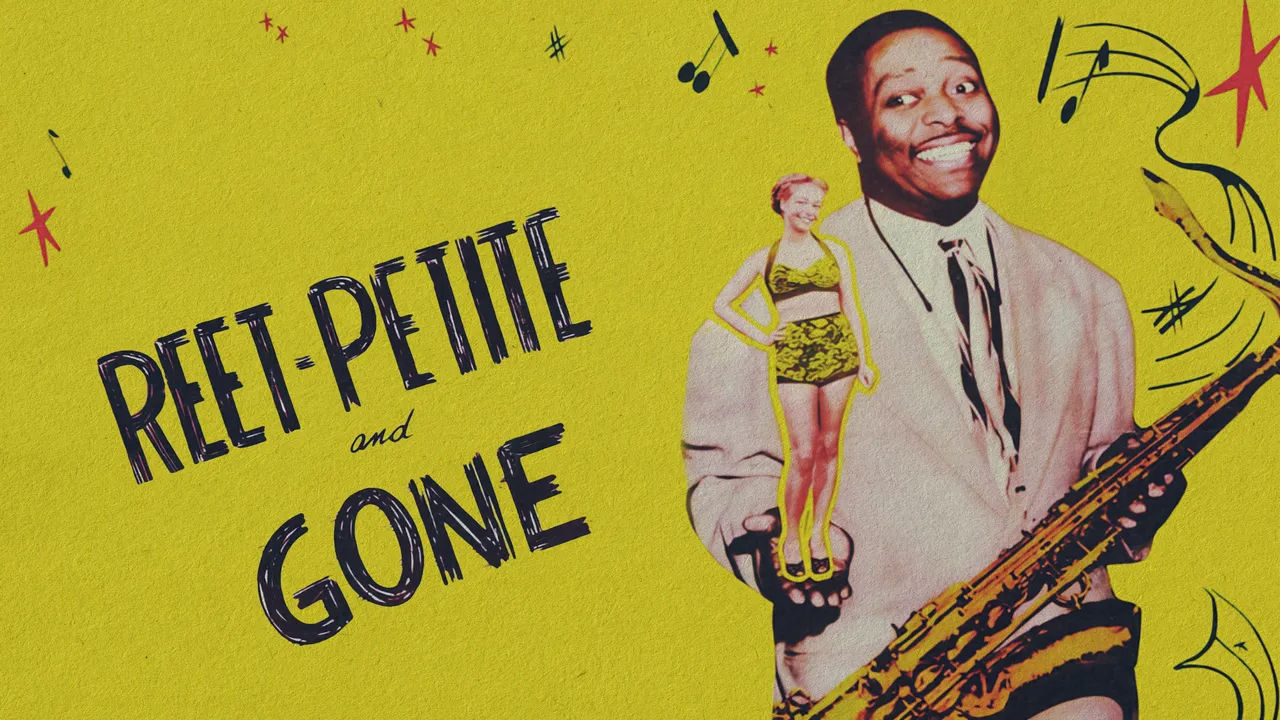
Reet, Petite, and Gone (1947)
Louis Jordan, a singer and bandleader, stars as a swing bandleader who faces a lawyer's scheme against his inheritance. William Forest Crouch, a short-subject director, shot it in about a day and a half, while most Hollywood B features took five to ten days. He worked at the former Edison studio in New York City, and it was the second of three features he made with Jordan.
 Crime
Reet, Petite, and Gone
William Forest Crouch · 1947 · 69 min
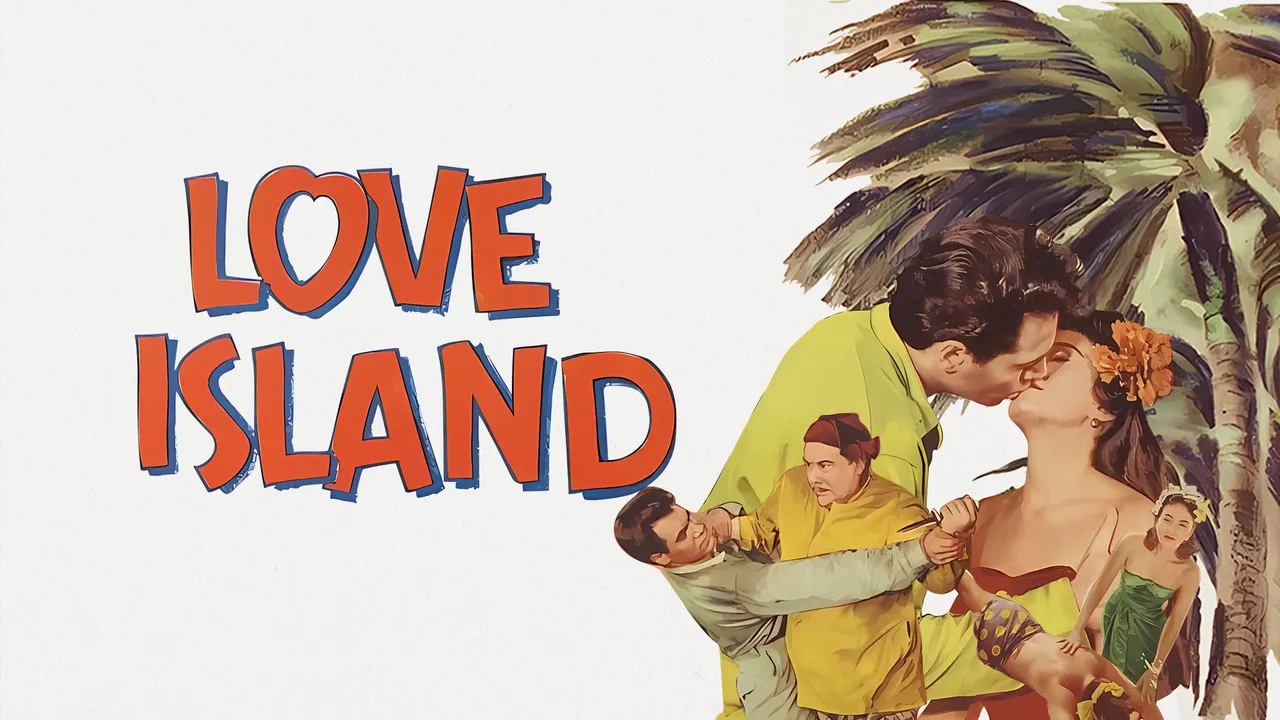
Love Island (1952)
A Navy navigator parachutes onto a South Pacific island after his plane is damaged and falls for a woman named Sarna, played by Eva Gabor. It was released in Cinecolor, a budget color process, and it was Bud Pollard's final film as a director.
 Comedy
Love Island
Bud Pollard · 1952 · 62 min
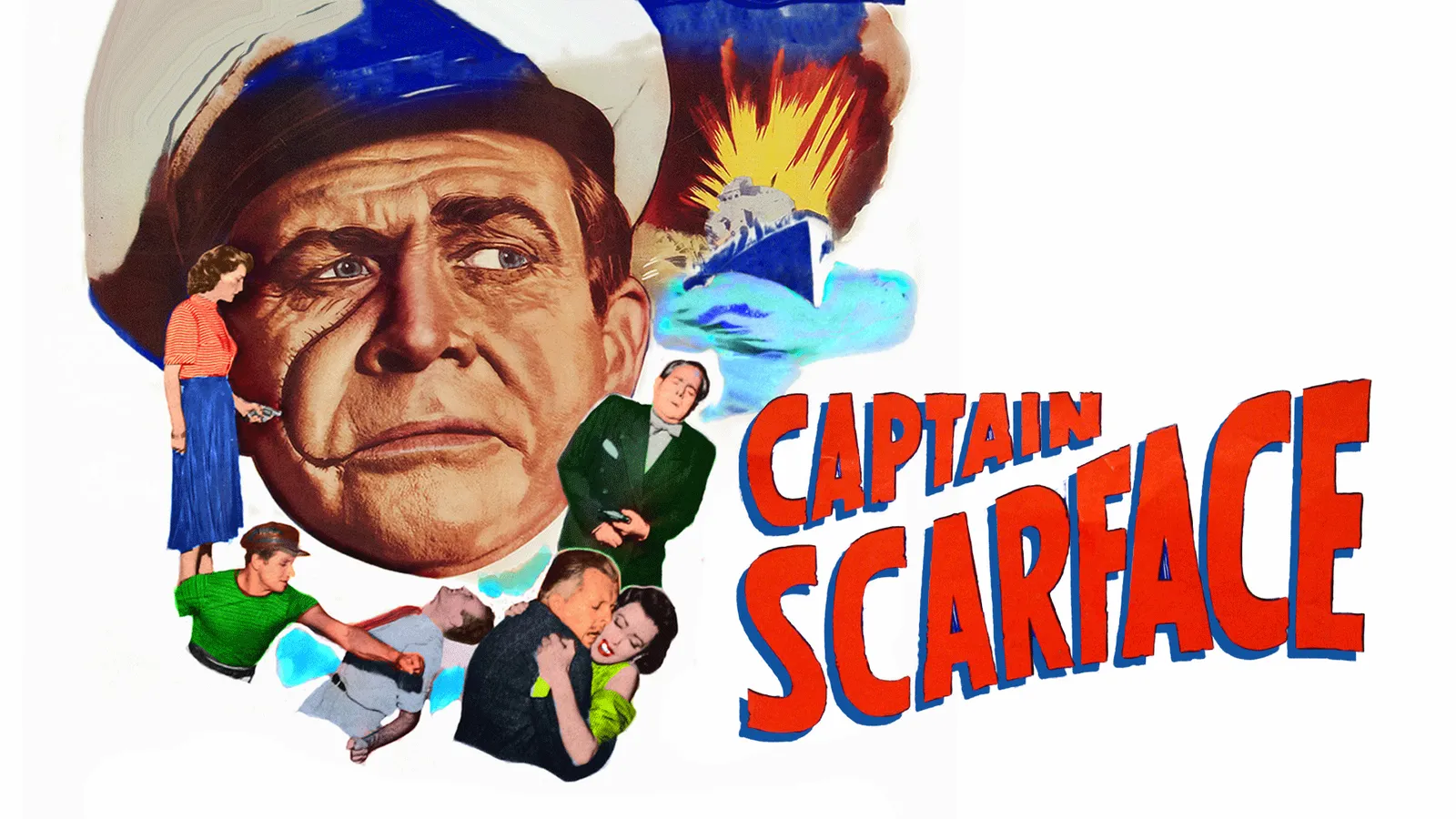
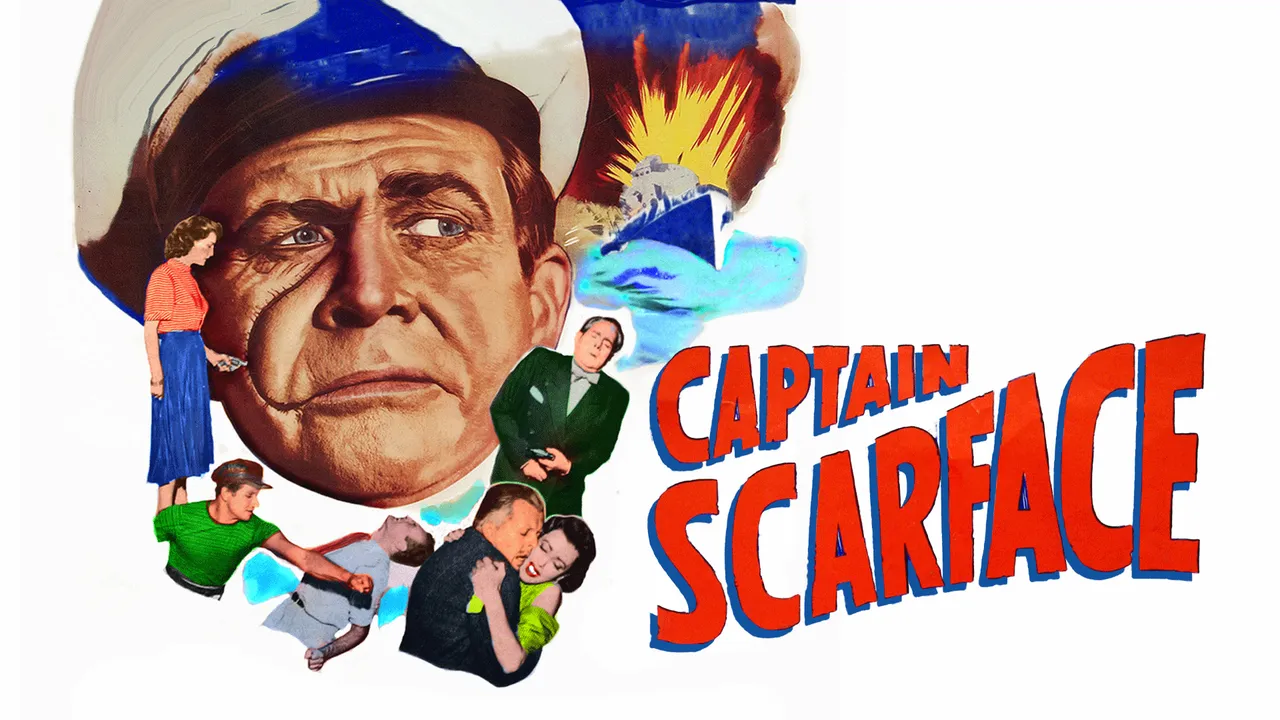
Captain Scarface (1953)
Soviet agents disguise a ship to carry an atomic device to the Panama Canal locks. Barton MacLane plays the title character. Paul Guilfoyle, a veteran actor, directed it, his first time as a director.
 Action/Adventure
Captain Scarface
Paul Guilfoyle · 1953 · 70 min
Born to the Saddle (1953)
William Beaudine directed this western from a novel, Quarter Horse by Gordon Ray Young. A young man is shot and then taken in by a gambler who has him train a racehorse named Blue Chip for a rigged race.
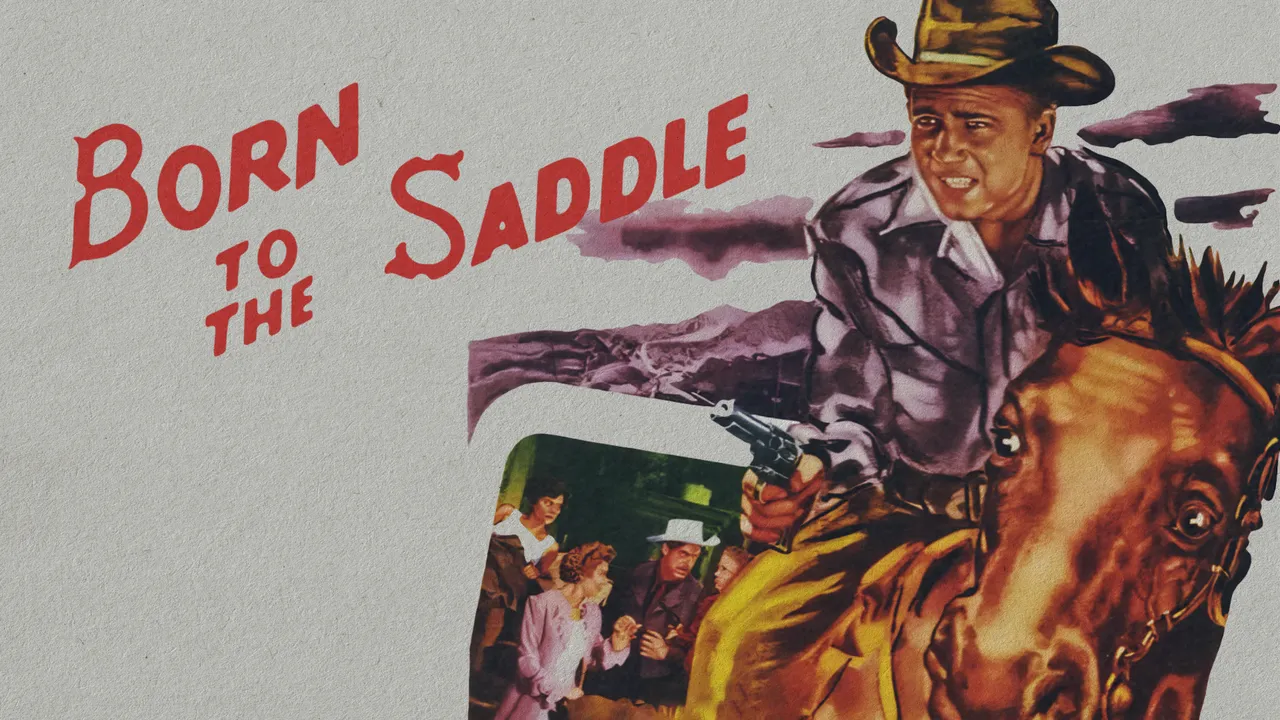 Western
Born to the Saddle
William Beaudine · 1953 · 74 min
Where to go next
- For another studio that lived on cheap films, see Monogram Pictures.
- For a low-budget rival, see Producers Releasing Corporation.