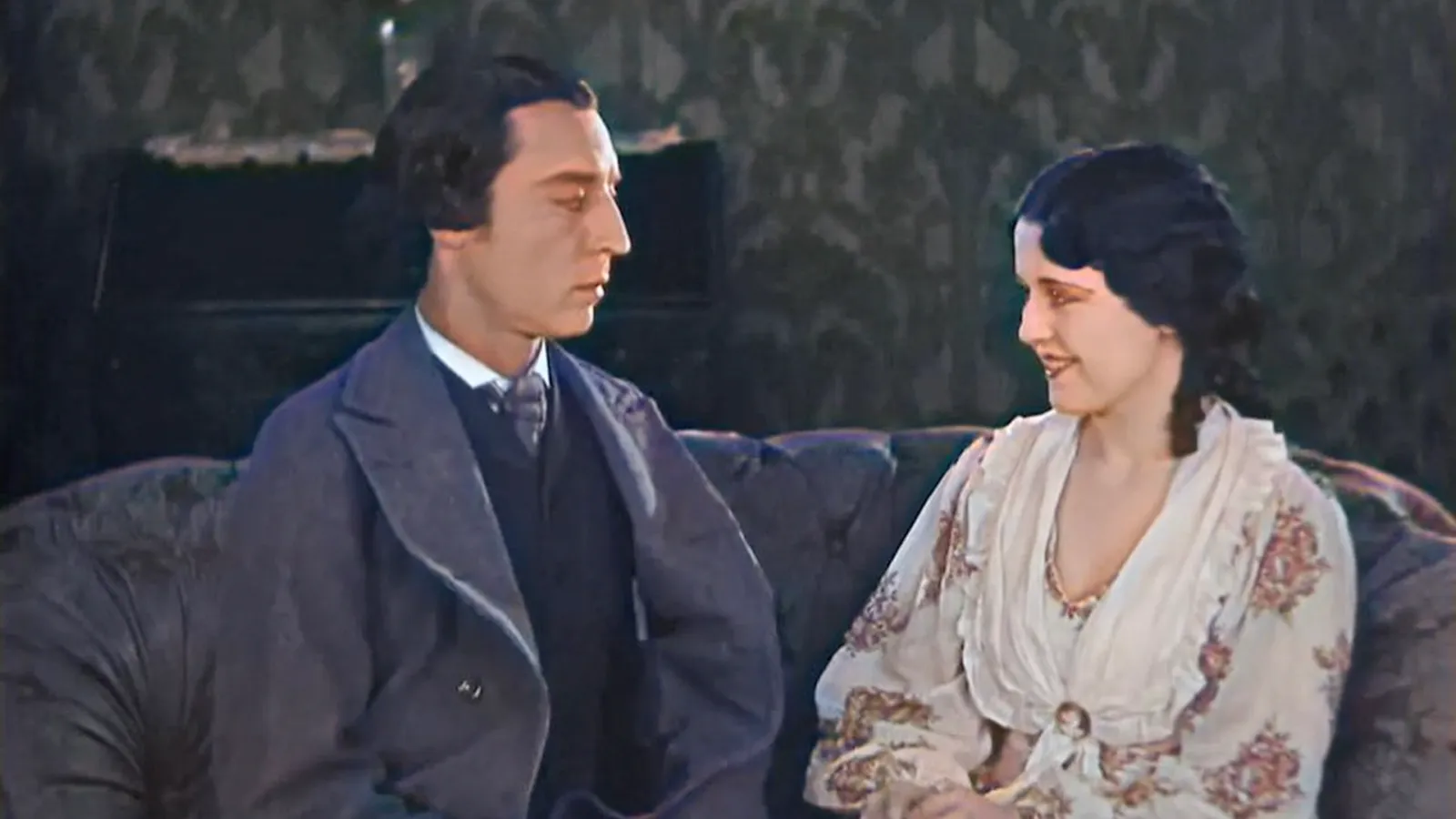
The stone-faced silent star who inspired Jackie Chan
The silent comedian did his own stunts and kept a straight face. Eight of his films are on Relay.
By Relay, Filmmaker Spotlight · Wednesday, October 14, 2026 · 2 min read
Buster Keaton was an American silent film star who built his comedy on real stunts and a deadpan face, and he lost control of his career after one of his best films flopped. Jackie Chan, the Hong Kong action star, has said he wanted to be like Chaplin or Keaton, and has cited Keaton and the comedian Harold Lloyd as his inspiration. Relay has eight of Keaton's silent features, made between 1923 and 1928.
Who was Buster Keaton?
Keaton grew up in vaudeville, performing in his parents' stage act as a small child. The silent comedian Roscoe "Fatty" Arbuckle cast him in The Butcher Boy, his first film, and his deadpan expression earned him the nickname the Great Stone Face.
In the 1920s he made features with his producer, Joseph M. Schenck. The General got poor reviews and weak box office, and Schenck then sold his contract to MGM. Signing with MGM in 1928 cost Keaton his creative independence, and he called it the worst business decision of his life. Interest in his silent work revived after he appeared in Charlie Chaplin's Limelight (1952), and he later received an honorary Academy Award.
Which Keaton films are on Relay?
Sherlock Jr. (1924)
Keaton plays a projectionist who falls asleep and steps into the film on the screen, where he is shuttled between locations at the whim of the edited film. The film critic Pauline Kael called it a piece of native American surrealism.
While making it, Keaton was knocked onto a rail by water from a spout. He finished the scene, complained of headaches for days, and learned years later from an X-ray that he had broken his neck.
Sherlock Jr.
Buster Keaton · 1924 · 44 min
The General (1926)
Keaton shot his Civil War train chase in Cottage Grove, Oregon, with three antique locomotives and about 500 Oregon National Guardsmen playing both armies. The train-crash shot cost $42,000, which TCM calls the most expensive single shot in silent film history.
The film lost money at first. It is now on AFI's list of the 100 funniest American movies, and it was among the first films added to the National Film Registry, in 1989.
The General
Clyde Bruckman · 1926 · 75 min
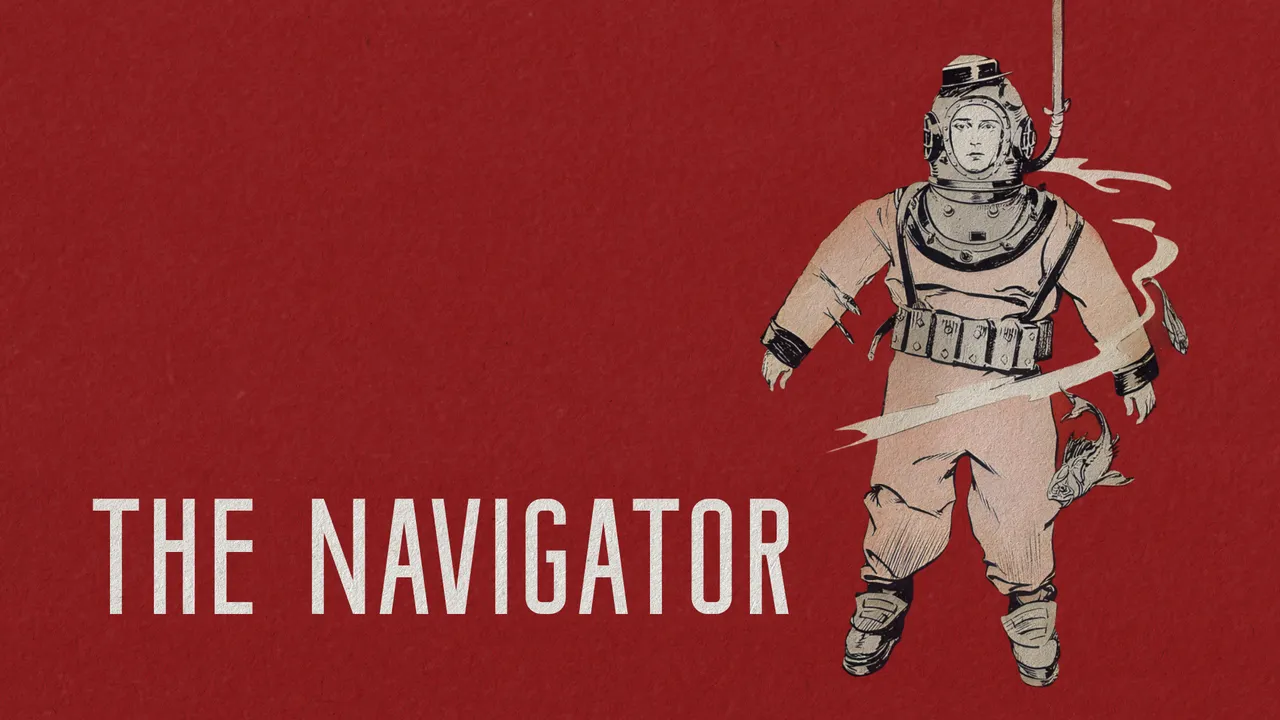
The Navigator (1924)
A rich, helpless young man and a young woman are left alone on an empty ocean liner adrift at sea. The Library of Congress says it was enthusiastically received and broke box office records on release.
The underwater scenes were the hardest to shoot, in cold water. According to the Library of Congress, Keaton and his cameramen were repeatedly brought up and revived with whiskey.
 Action/Adventure
The Navigator
Buster Keaton · 1924 · 59 min
Our Hospitality (1923)
A comedy about a feud between two Southern families, with three generations of Keatons on screen. His father Joe Keaton plays the locomotive engineer, his wife Natalie Talmadge plays the love interest, and their baby son plays the hero as an infant.
In the rapids scene Keaton's guide wires snapped and he nearly drowned.
Our Hospitality
John G. Blystone · 1923 · 74 min
Seven Chances (1925)
Keaton's character will inherit $7 million if he marries by 7 p.m. on his 27th birthday. Keaton said the chase originally ended with a fade-out that played flat at a preview, and the rock avalanche was built afterward. He later said of the rocks, "three little rocks saved me."
 Comedy
Seven Chances
Buster Keaton · 1925 · 56 min
Which Keaton film comes first?
Sherlock Jr. runs 44 minutes, and The General is the one Keaton often called his favorite.