The Berlin director whose comedies became the "Lubitsch touch"
Ernst Lubitsch brought Berlin epics to Hollywood, then comedies called the "Lubitsch touch". Relay has eight of his films.
By Relay, Filmmaker Spotlight · Wednesday, November 18, 2026 · 3 min read
Ernst Lubitsch was a Berlin actor turned director who moved to Hollywood and made comedies so distinct that his name became a term: the "Lubitsch touch". It means a small visual detail, a glance or a closed door, that shows what characters feel without anyone saying it.
The idea outlived him. Billy Wilder, the director of Some Like It Hot and The Apartment, kept a sign over his writing desk that read "How would Lubitsch do it?" Critics have credited Lubitsch with creating the "sophisticated comedy": romance for adults, played for wit rather than slapstick. Relay has eight of his films, from his Berlin epics to 1941.
Who was Ernst Lubitsch?
He was born in Berlin in 1892, the son of a tailor, and began as an actor in the company of his mentor, the theatre director Max Reinhardt. He moved into film in 1913.
His Berlin epics sold abroad. After Madame DuBarry, released in the US as Passion, the silent star Mary Pickford brought him to Hollywood to direct her in Rosita (1923). In 1935 he briefly ran production at Paramount. He died in Hollywood in 1947.
What are his films on Relay?
Deception (1920) and One Arabian Night (1920)
Deception is the US title of Anna Boleyn, the story of Henry VIII's second wife. Emil Jannings, who later won the first Oscar for Best Actor, plays the king, and more than 4,000 extras took part in the filming. Pickford called it "an example of superb direction and splendid acting."
One Arabian Night, called Sumurun in Germany, puts Lubitsch on screen. He plays a hunchbacked clown in love with a dancer, played by Pola Negri. It was his last appearance in front of the camera.
Marriage Circle (1924)
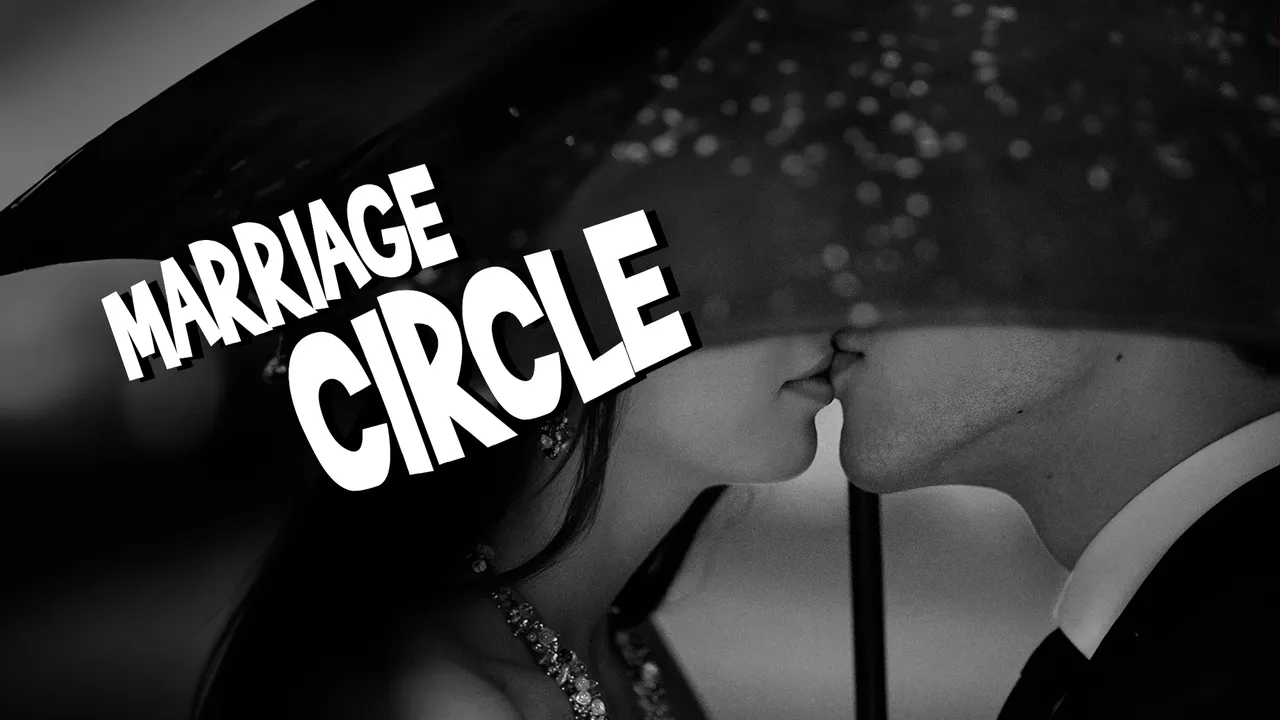
Mizzi, unhappily married to a professor in Vienna, sets out to seduce Dr Franz Braun, the new husband of her friend Charlotte. Lubitsch's second American film uses very few title cards: the film historian Theodore Huff counted less than half the usual number.
Critics have traced its style to Charlie Chaplin's A Woman of Paris, and Huff wrote that it "started a whole school of light sex comedies."
 Comedy
Marriage Circle
Ernst Lubitsch · 1924 · 85 min
So This Is Paris (1926) and The Student Prince in Old Heidelberg (1927)
In So This Is Paris, a married couple each flirt with the other half of another couple. Its centrepiece is a Charleston contest at an artists' ball, and the New York Times named it one of the ten best films of 1926.
The Student Prince in Old Heidelberg sends a sheltered crown prince, Ramon Novarro, to university, where he falls for an innkeeper's niece, Norma Shearer. MGM spent about $1.2 million and lost money, but later critics count it among his finest silent films.
Eternal Love (1929)
The last silent film for both Lubitsch and John Barrymore, who plays a hunter in the Swiss Alps, in love with Ciglia, played by Camilla Horn. It ends in an avalanche.
The Love Parade (1929)
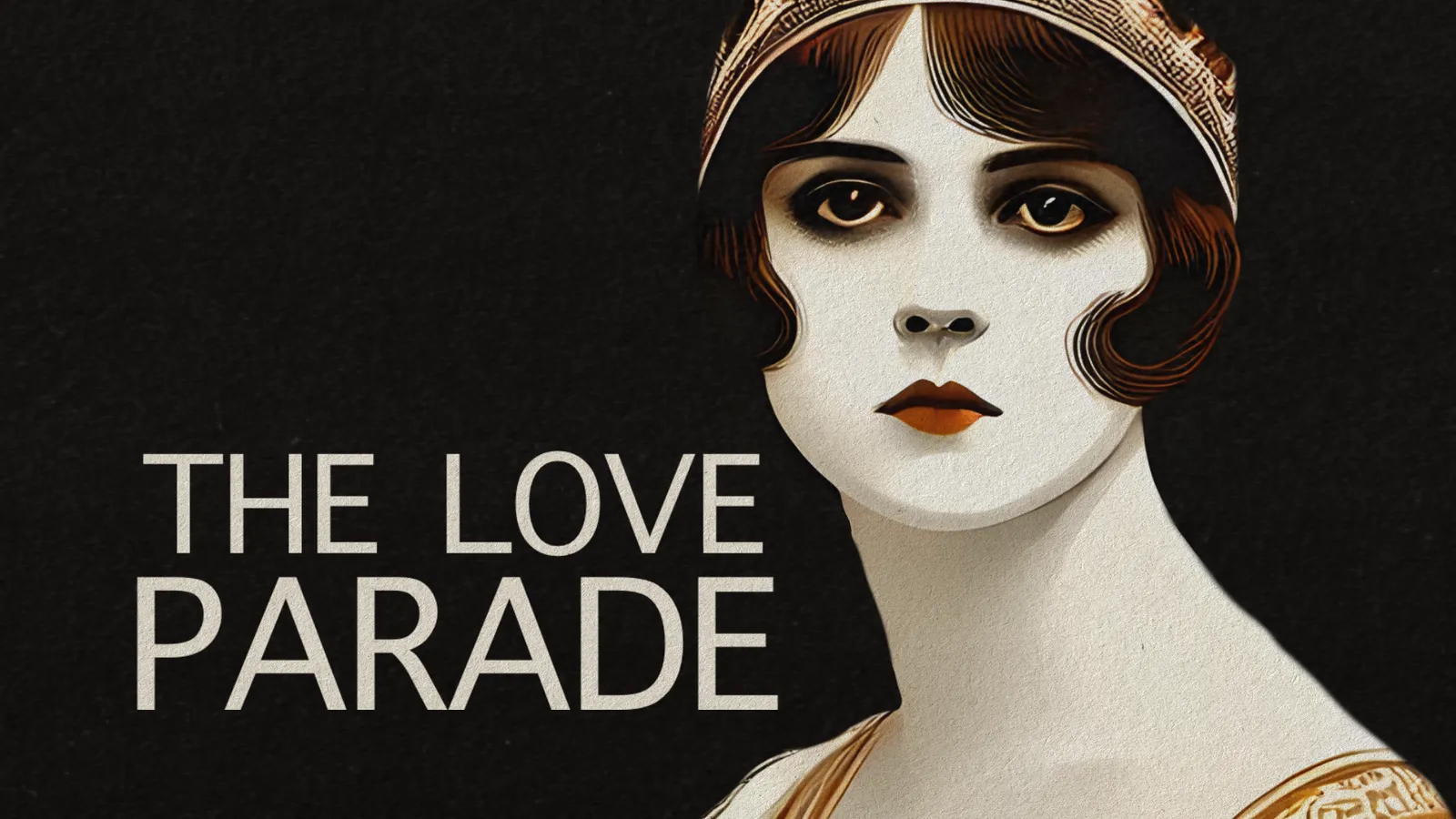
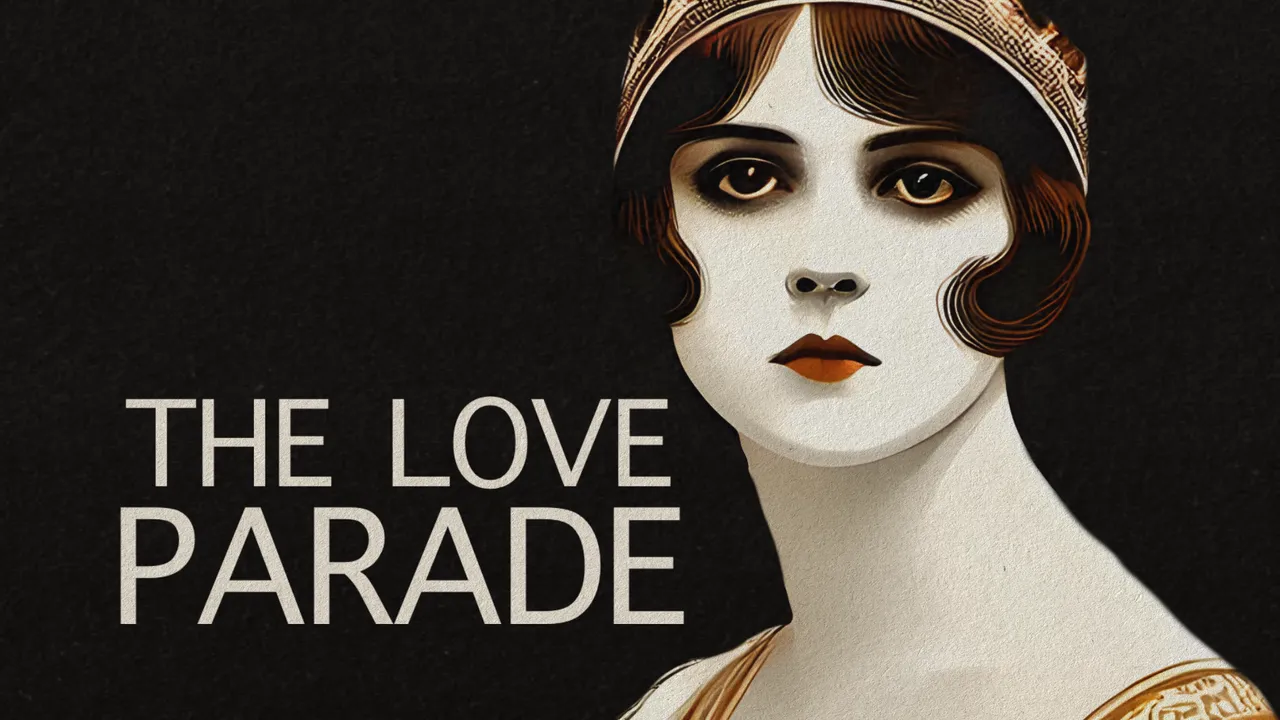
Lubitsch's first sound film, and the film debut of Jeanette MacDonald. She plays the queen of a made-up kingdom who marries a womanising count, Maurice Chevalier, who soon chafes at being a husband with no power. It received 6 Academy Award nominations, including Best Picture. The BFI says it sped up the screen musical by working its songs into the story.
 Comedy
The Love Parade
Ernst Lubitsch · 1929 · 107 min
That Uncertain Feeling (1941)
A remake of his own 1925 silent comedy Kiss Me Again. Merle Oberon plays a bored New York wife whose hiccups send her to a psychoanalyst, with Melvyn Douglas as her husband and Burgess Meredith as a pianist. Its score was nominated for an Oscar.
What to watch first
Marriage Circle is the touch in its purest form. The Love Parade is the same wit with songs, and One Arabian Night is the one chance to see Lubitsch himself act.