The It's a Wonderful Life director who answered Nazi propaganda
Frank Capra made Hollywood's films about the little guy, then seven Army films answering Nazi propaganda. Relay has nine.
By Relay, Filmmaker Spotlight · Thursday, November 19, 2026 · 3 min read
Frank Capra was a Hollywood director who built a career on one idea: an ordinary person can stand up to money and power and win. After Pearl Harbor he turned that gift to war with Why We Fight, seven Army films that were America's answer to Nazi propaganda. The first of them won him an Oscar, though he had never made a documentary before.
His films side with the decent everyman against greedy politicians, bosses and newspapers. Admirers call that vision "Capraesque"; cynics called it "Capra-corn." He is best known for It's a Wonderful Life (1946), a box office disappointment that holiday television turned into a classic. Relay has nine films credited to him.
Who was Frank Capra?
Born in Sicily in 1897, he grew up in Los Angeles. He won 3 Oscars for Best Director: for It Happened One Night (1934), Mr. Deeds Goes to Town (1936) and You Can't Take It with You (1938). It Happened One Night was the first film to win all five top Oscars: picture, director, actor, actress and screenplay.
How did he go to war?
After Pearl Harbor, Capra joined the Army as a major. General George Marshall, the Army's chief of staff, wanted films that would explain the war to soldiers, and Capra told him he had never made a documentary. He studied Triumph of the Will, the Nazi rally film by Leni Riefenstahl, and turned the enemy's own footage against them. In 2000 the Library of Congress added the Why We Fight films to the National Film Registry, its list of American films chosen for preservation.
What are his films on Relay?
The Strong Man (1926)
Capra's first feature as credited director stars Harry Langdon, a baby-faced silent comedian, as a Belgian soldier who comes to America after the First World War to find his pen pal and ends up defending a small town. It was a hit and joined the National Film Registry in 2007. Capra directed Langdon once more, and then Langdon fired him.
Ladies of Leisure (1930)
A wealthy artist hires a "party girl" as his model, and they fall in love against his family's wishes. It was Capra's first film with Barbara Stanwyck, a Broadway actress whose first Hollywood films had flopped. Their interview went badly, and he cast her only after seeing her screen test. The film made her a star.
Meet John Doe (1941)
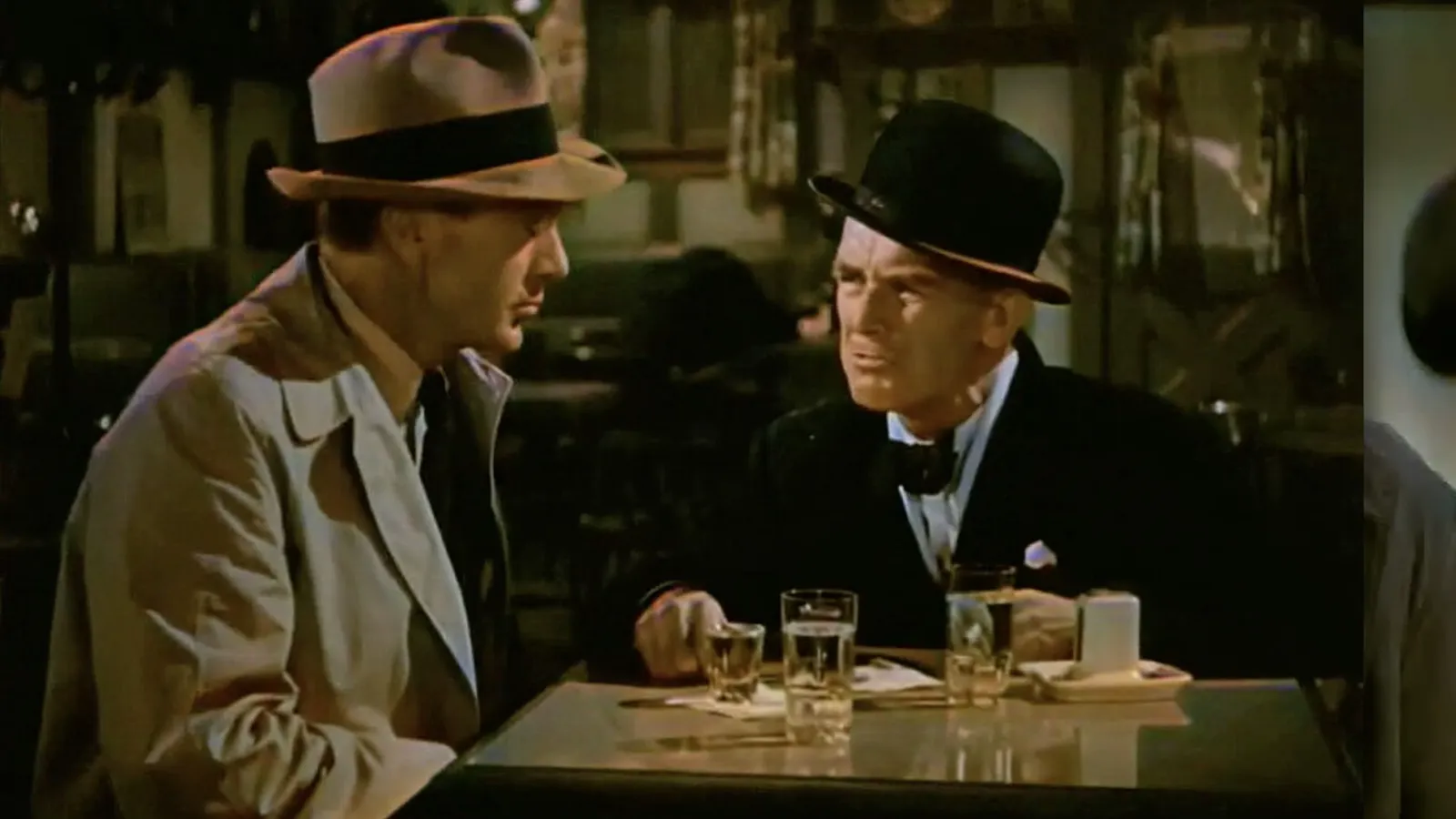
A newspaper columnist, played by Stanwyck, invents a man called "John Doe," and a homeless man, played by Gary Cooper, is hired to be him. The fake letter sparks a national movement. It was the first film from Frank Capra Productions, the company he founded in 1939 with screenwriter Robert Riskin. TCM reads it as a warning against an American version of Europe's fascism. Capra filmed several endings and said he was never satisfied with any of them.
Meet John Doe
Frank Capra · 1941 · 122 min
The Archive of World War Two: Prelude to War (1942)
The first Why We Fight film traces the war's roots to Mussolini, Hitler and Japan's invasion of Manchuria, condemning the Axis with its own footage. The actor Walter Huston narrates. It won the Oscar for best documentary of 1942; with metal saved for the war, Capra first received a plaque instead of a statuette.
The Battle of Britain (1943), The Battle of Russia (1943) and two more
The Battle of Britain tells of the 1940 German air assault and the RAF's victory. The Battle of Russia, directed by Anatole Litvak under Capra, was nominated for the documentary Oscar. The Archive of WWII: Tunisian Victory (1944) was a joint British and American record of the North Africa campaign, and Attack! Battle of New Britain (1944) follows the Allied landings on a Pacific island.
What to watch first
Start with Meet John Doe for Capra's everyman story at full strength, then Prelude to War for the same storyteller making the case for a war.