The director of MGM's biggest silent hit filmed ordinary lives
King Vidor made MGM's biggest silent hit, then films about a clerk and a Depression farm. Relay has seven of his films.
By Relay, Filmmaker Spotlight · Sunday, November 15, 2026 · 3 min read
King Vidor was a Hollywood director who made MGM's biggest hit of the silent era and then spent his clout on stories about people nobody notices. MGM is the studio that later made The Wizard of Oz. His war film The Big Parade earned between $18 million and $22 million in worldwide rentals. Then he pitched MGM a film about an insurance clerk.
Vidor said the three things that built America were "war, wheat, and steel," and he planned a film on each. That idea runs through his work: the big forces of a country, seen through one ordinary person. The Library of Congress put his clerk film, The Crowd, among the first 25 films in its National Film Registry, a list of American films chosen for preservation. In 1979 the Academy gave him an honorary Oscar for "incomparable achievements as a cinematic creator and innovator." Relay has seven of his films.
Who was King Vidor?
He was born in Galveston, Texas, in 1894, and at six he lived through the 1900 hurricane that flattened the city. His career ran from 1913 to 1980. He was a co-founder and the first president of the Screen Directors Guild, the union now called the Directors Guild of America.
He was nominated 5 times for the Oscar for Best Director and never won in competition. His first sound film, Hallelujah, had an all-Black cast, and MGM made him invest his own salary in it. He also directed the black-and-white Kansas scenes of The Wizard of Oz, including "Over the Rainbow," without credit, after Victor Fleming left to make Gone with the Wind.
What are his films on Relay?
The Big Parade (1925)
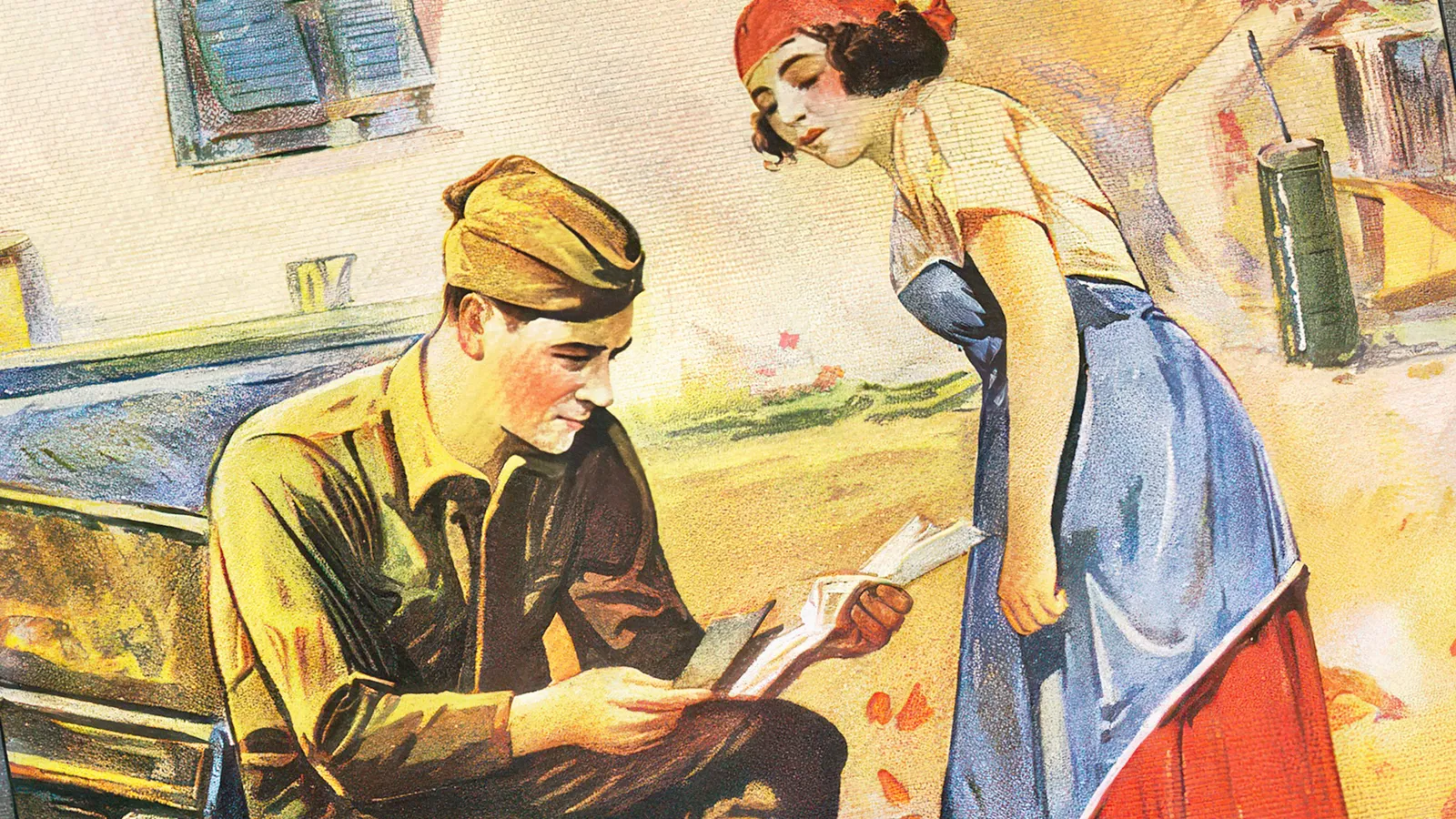
An idle rich man's son joins the Army when the US enters the First World War. In France he befriends two working-class soldiers and falls for a French woman, played by Renee Adoree. Vidor wanted to show the war through the eyes of an ordinary soldier.
Irving Thalberg, MGM's head of production, paired Vidor with Laurence Stallings, a playwright and war veteran, to write it. The film made John Gilbert a major star, and critics have traced its influence on All Quiet on the Western Front in 1930.
The Big Parade
King Vidor · 1925 · 150 min
The Crowd (1928)
John Sims arrives in New York at 21, sure he will be someone, and becomes one clerk among hundreds. Vidor cast James Murray, whom he said he had spotted working as an extra, and shot several street scenes with a concealed camera. It brought Vidor his first Oscar nomination for directing. The DGA Quarterly, the directors' union magazine, traces its influence from Billy Wilder to the Italian neorealists.
Our Daily Bread (1934)
This sequel follows John and Mary Sims into the Depression, where they turn an abandoned farm into a cooperative with other out-of-work people. Thalberg turned it down, so Vidor paid for it himself and released it through United Artists. The climax is a ditch dug by hand, almost two miles long, to bring water to the crops. Vidor said he "just about broke even." It joined the National Film Registry in 2015.
Not So Dumb (1930) and Love Never Dies (1921)
Not So Dumb is an early talkie comedy starring Marion Davies, adapted from the Broadway play Dulcy by George S. Kaufman and Marc Connelly. Davies plays a well-meaning woman whose weekend party nearly wrecks her fiance's business deal.
Love Never Dies was Vidor's eighth film, a small-town melodrama made years before MGM. Lloyd Hughes and Madge Bellamy play a couple split up by gossip about his mother.
What to watch first
Start with The Big Parade for the film that made his name, then The Crowd. Our Daily Bread finishes the story of the same couple.