Iran's first woman-directed Oscar entry came from a novelist
Narges Abyar wrote novels before films. Relay has 2: Track 143, a war drama from the home front, and When the Moon Was Full.
By Relay, Filmmaker Spotlight · Wednesday, November 4, 2026 · 3 min read
Narges Abyar is an Iranian novelist who turned to directing, and in 2017 her film Breath became Iran's first Oscar submission directed by a woman. The Farabi Cinema Foundation, Iran's state-run film body, chose it. Abyar studied Persian literature and began publishing books in 1997. She has said she has no academic film training and works largely on instinct.
That path shapes her films. They start as stories on the page, and several are set against the Iran-Iraq war, which ran from 1980 to 1988. Relay has 2 of her films: a war drama about a mother waiting for a son missing in action, and a true-story drama about a marriage that pulls a bride into a militant group.
How did a novelist start making films?
Abyar has said the 2004 film Turtles Can Fly, by the Iranian director Bahman Ghobadi, inspired her to film her own books. Her first big success from that idea was Track 143, adapted from her novel The Third Eye.
Her work has drawn strong reactions at home. When Breath was chosen for the Oscars, the cleric Ahmad Alamolhoda said it showed what Iran's enemies in the West want to see. Abyar called the film anti-war and said, in an interview with Cinema Without Borders, that war always brings destruction in its wake. The Associated Press reported that hardliners had earlier praised Track 143 for how it portrayed mothers during the war.
Breath is not on Relay, but it explains why her name carries weight. It follows Bahar, a lively girl raised by her asthmatic father and religious grandmother after the 1979 revolution and into the war years. Abyar has said the message of her films should always be peace, and that defending a country is legitimate but war leaves destruction behind it.
What is Track 143 about?
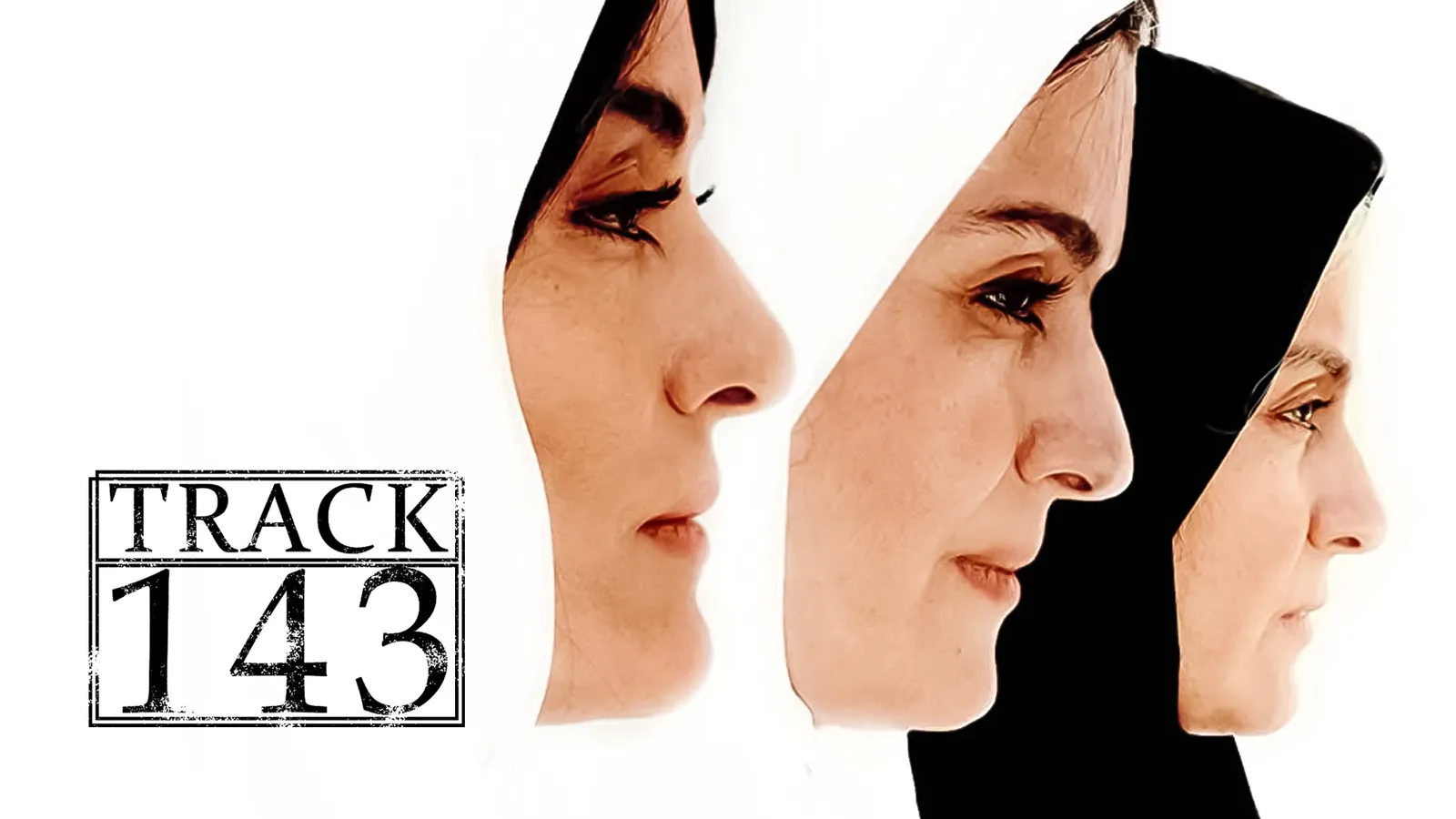
Track 143 was released in 2014. Olfat, a mother played by Merila Zarei, is raising her children in hardship while her son is missing in action. The Tehran Times says the film avoids showing the war directly, and Olfat follows it through a radio she carries.
Zarei won the Crystal Simorgh for best actress, the top acting prize at Tehran's Fajr Film Festival, in February 2014. A Tehran Times analysis argues that women directors bring different perspectives to war dramas and often speak for voices that war films overlook, and it names Abyar as an example. The same piece praised the film's long shots for conveying the mother's loneliness.
Track 143
Narges Abyar · 2014 · 98 min
What is When the Moon Was Full about?
When the Moon Was Full came out in 2019 and is based on real events. Abdolhamid Rigi marries Faezeh Mansuri, a woman from Tehran. He is the younger brother of Abdolmalek Rigi, who founded Jundallah, a militant group. Abdolhamid takes Faezeh and her brother Shahab to Pakistan, where they are drawn into the group's activities.
The film won best film at the 37th Fajr Film Festival in Tehran, and Abyar won best director. After the win she said she had long felt sad about never being nominated in her own country. It later won the Audience Award at the Tallinn Black Nights Film Festival in Estonia, according to the Tehran Times.
When the Moon Was Full
Narges Abyar · 2019 · 137 min
What to watch first
Together the two films show a writer's habit of building a story around one person, a mother or a bride, and letting history press in from outside. Track 143 is the quieter film, a war story told almost entirely from the home front. When the Moon Was Full is a thriller built on a true story, and the one that won best film at Iran's Fajr festival.