How a set designer shaped the haunted house film and the Joker
Paul Leni went from Berlin sets to Universal, and died at 44. Relay has four of his films.
By Relay, Filmmaker Spotlight · Saturday, October 24, 2026 · 3 min read
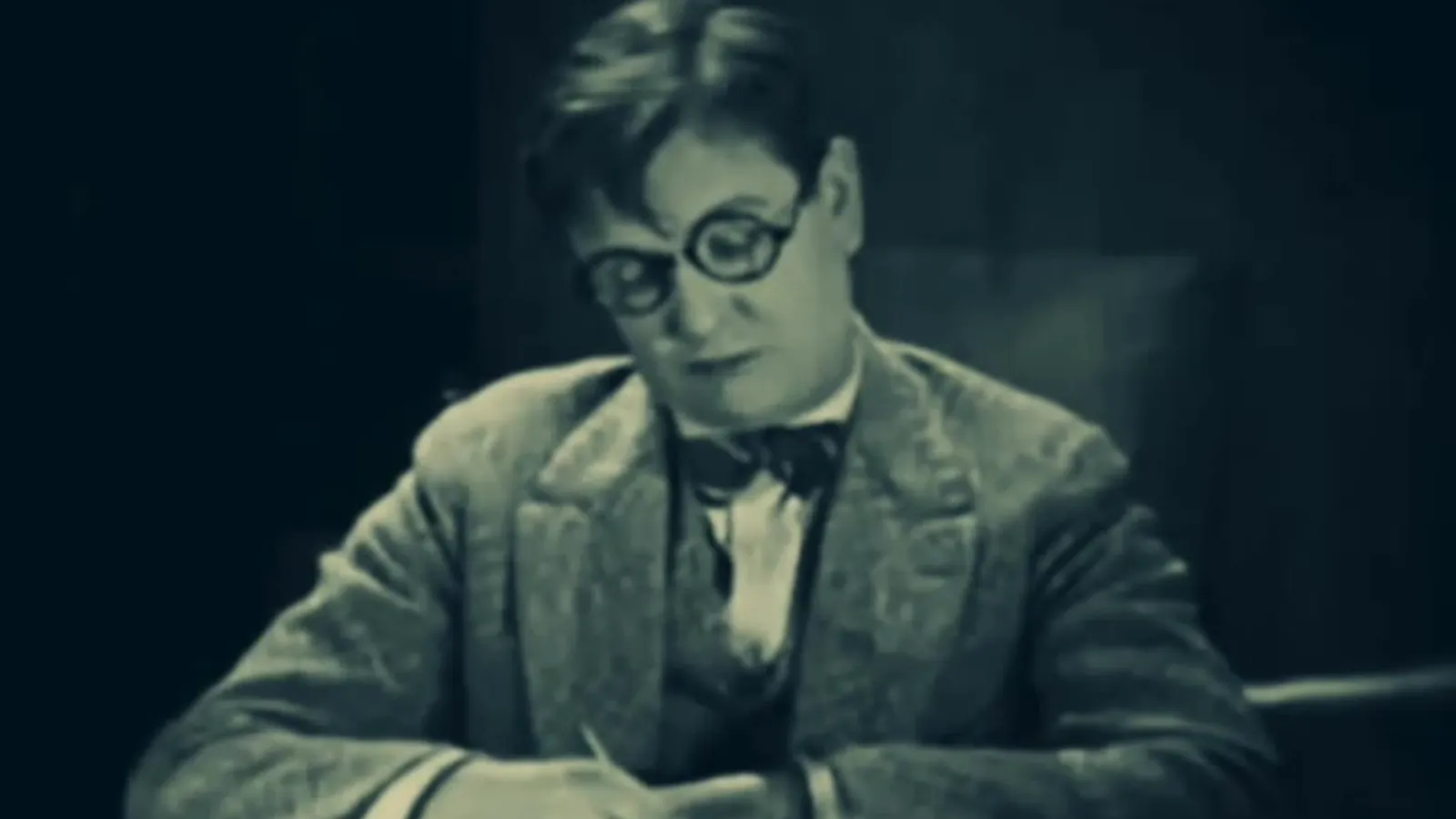
Paul Leni was a German set designer who became a Hollywood director in 1927, and two of his silent films still echo through popular culture. The Cat and the Canary is credited with helping set the template for the haunted house movie, and Batman's creators said a photograph from The Man Who Laughs shaped the Joker's grin. Leni died in 1929 at 44, so his American career was short. Relay has four films from it and from his years in Berlin.
His 1927 film belongs to a genre called the "old dark house": a gloomy mansion, a secret and a night nobody expects to survive. Film historian Carlos Clarens, author of a 1967 history of the horror film, called The Cat and the Canary the cornerstone of Universal's school of horror. Critics link it to James Whale's The Old Dark House in 1932, and the same set builder, Charles D. Hall, went on to design the sets for Dracula and Frankenstein in 1931.
Where did Leni come from?
Leni trained as a painter at the Berlin Academy of Fine Arts. From 1913 he designed sets and costumes for German films, first for the director Joe May, and began directing while the First World War was still on. German Expressionism, the style of distorted sets, sharp shadows and tilted angles, was his training ground, and he carried it to America.
Carl Laemmle, the founder of Universal Pictures, invited him over. Leni arrived in New York in 1926 and was directing at Universal from 1927. He made The Last Warning as a companion to The Cat and the Canary because that film had been so popular. He died about eight months after it was released, of sepsis from an infected tooth.
Which Leni films are on Relay?
The Cat and the Canary (1927)
This was Leni's first American film. A millionaire's will stays locked in a safe for 20 years. When it is read, his heir Annabelle West inherits only if a doctor certifies her sane, and the household suspects that a lunatic called the Cat is loose in the house. It mixes Expressionist lighting with broad humor, and it was a worldwide success. It was remade several times, including a 1939 version with Bob Hope.
The Cat and the Canary
Paul Leni · 1927 · 84 min
The Man Who Laughs (1928)
Based on Victor Hugo's novel, it stars the German actor Conrad Veidt as Gwynplaine, a man whose face was cut into a permanent grin, and Mary Philbin as Dea, a blind woman who loves him. The Batman creators Bob Kane, Bill Finger and Jerry Robinson disagreed about who did what when they made the Joker, but all agreed a photograph of Veidt as Gwynplaine influenced his grin. The film has no spoken dialogue and came with a synchronized score and sound effects.
The Man Who Laughs
Paul Leni · 1928 · 108 min
Waxworks (1924)
Leni made this in Berlin with Leo Birinski, the director Relay lists. A poet is hired to write stories for three wax figures: the caliph Harun al-Rashid, played by Emil Jannings, Ivan the Terrible, played by Veidt, and Jack the Ripper, played by Werner Krauss. It was planned as four stories, but the money ran out before the last was shot. Critics often count it among the last great German Expressionist films.
 Fantasy
Waxworks
Leo Birinsky · 1924 · 80 min
Backstairs (1921)
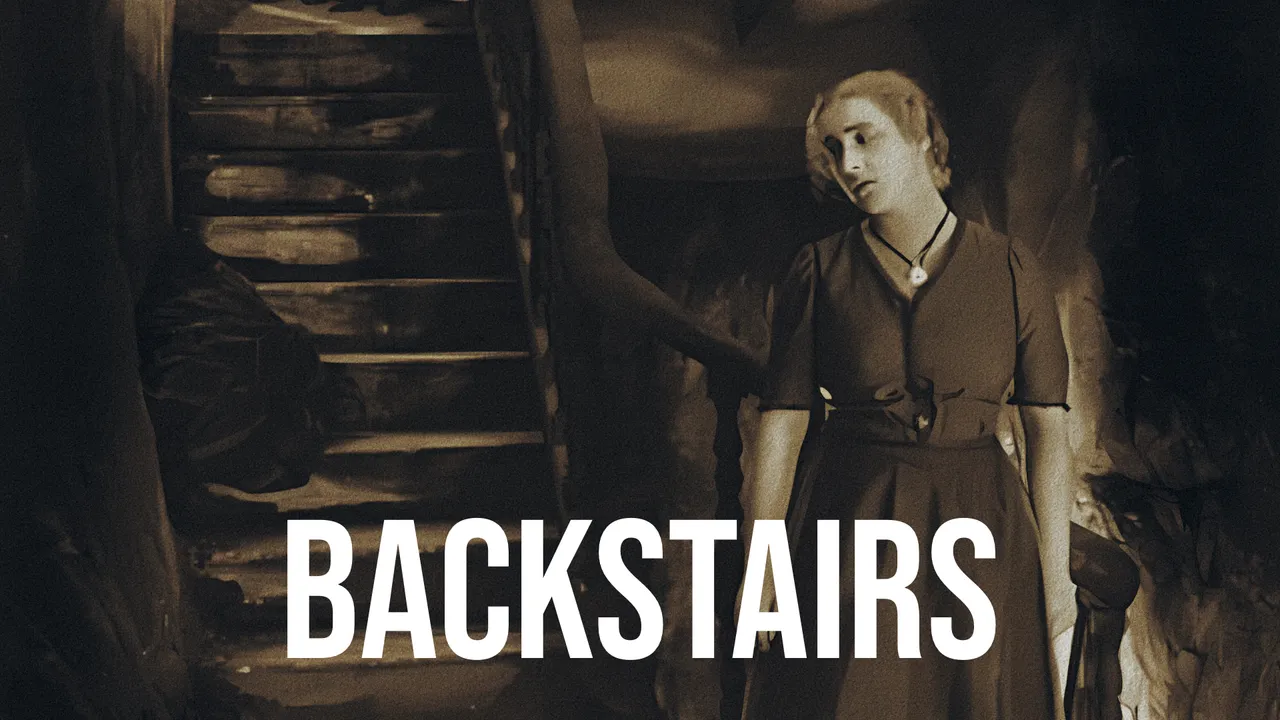
Backstairs is the earliest of the four. Leopold Jessner directed it, with Leni credited as co-director and set designer, and Carl Mayer wrote it. Henny Porten plays a maid and Fritz Kortner the postman who copies her lover's letter. It is a chamber drama, a style built on a small cast and one intimate setting, and critics see it as a forerunner of the German kammerspiel film.
 Drama
Backstairs
Leopold Jessner · 1921 · 49 min
What to watch first
Start with The Cat and the Canary, the film that gave the haunted house its rules, then The Man Who Laughs for the face behind the Joker. Waxworks is the one to see for three silent-era stars in a single film, and Backstairs shows where Leni began.