A Swedish director made MGM's first production, then starred for Bergman
Victor Sjöström helped start Sweden's film golden age, made MGM's first production and acted for Bergman. Relay has eight of his films.
By Relay, Filmmaker Spotlight · Saturday, October 31, 2026 · 3 min read
Victor Sjöström was a Swedish director and actor who helped start his country's silent film golden age, made the first production of the new Hollywood studio MGM, and late in life gave Wild Strawberries, by the Swedish director Ingmar Bergman, its lead performance. Relay has eight of his films.
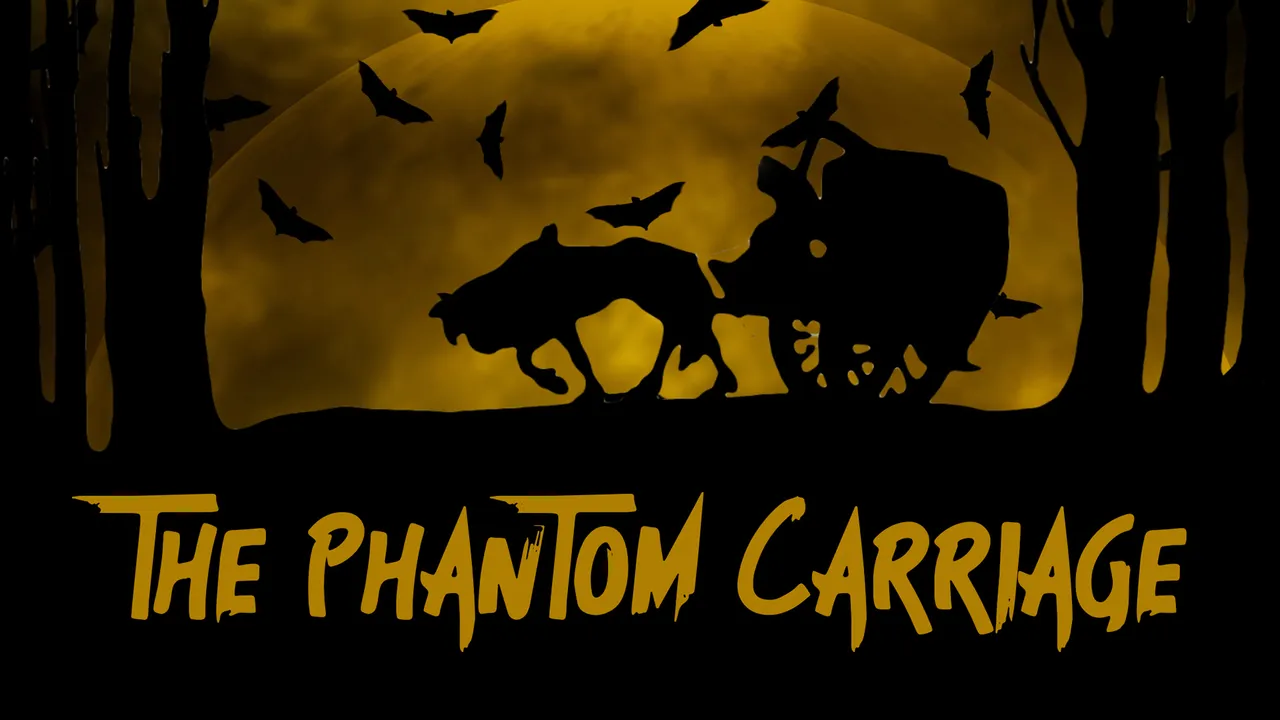
For Halloween, the one to know is The Phantom Carriage, whose spirits were made by layering images on the same strip of film, a technique called double exposure. Some critics have traced the axe-through-the-door scene in The Shining to it, and Bergman called it one of the major emotional and artistic experiences of his life.
Who was Victor Sjöström?
Sjöström became one of Sweden's most prominent film and theatre figures. His films A Man There Was and The Outlaw and His Wife, from 1917 and 1918, helped start Swedish cinema's golden age.
In 1923 he went to Hollywood, where he worked with MGM chief Louis B. Mayer and production chief Irving Thalberg and was credited as Victor Seastrom. TCM writes that changes to The Wind so discouraged him that he went home to Sweden.
Bergman cast him as Isak Borg in Wild Strawberries in 1957 and wrote of his final close-ups: "Never before or since have I experienced a face so noble and enlightened." Sjöström died in 1960.
How did a silent film make ghosts?
The Phantom Carriage opened in Sweden on New Year's Day 1921. It is based on a 1912 novella by Selma Lagerlöf, the first woman to win the Nobel Prize in Literature. On New Year's Eve, a drunk named David Holm, played by Sjöström, hears a legend that the last person to die each year must drive Death's carriage. He dies in a fight, and his dead friend arrives to hand him the reins.
The ghosts were made in the camera. Sjöström's cinematographer Julius Jaenzon used double, triple and even quadruple exposures, so the living and the dead share one frame. Bergman first saw it as a boy and watched it every year for years. In one scene Holm hacks through a wooden door with an axe, which reviewers have linked to Stanley Kubrick's The Shining. The link rests on critics, not on anything Kubrick said.
 Drama
The Phantom Carriage
Victor Sjöström · 1921 · 105 min
Which Sjöström films are on Relay?
He Who Gets Slapped (1924)
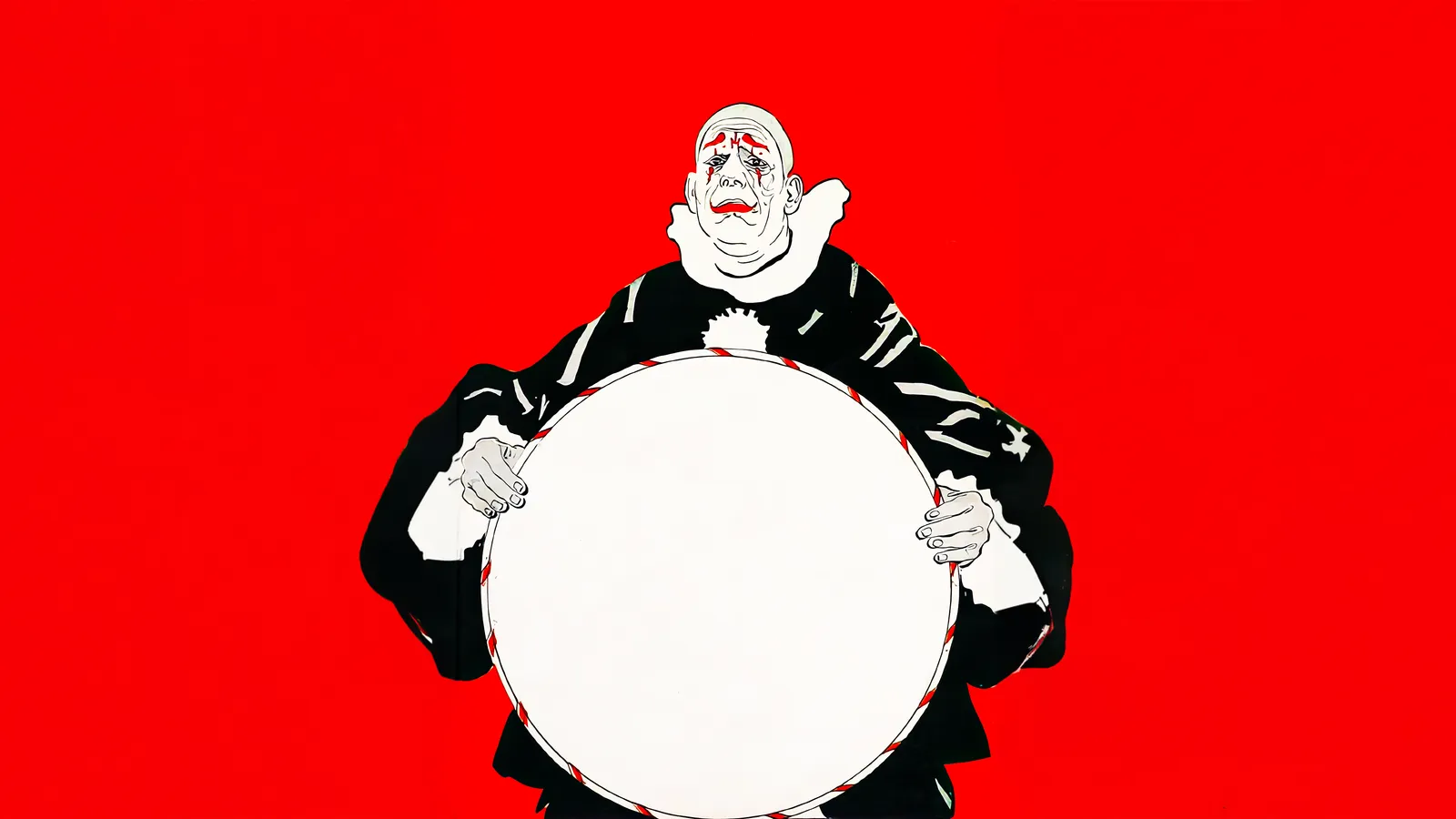
His American debut was the first film made entirely under the MGM banner and the first to show the MGM lion, though others reached cinemas first. Lon Chaney, the silent era's great character star, plays a scientist who loses his work and his wife and becomes a circus clown whose act is being slapped. The New York Times named it one of the 10 best films of 1924.
He Who Gets Slapped
Victor Sjöström · 1924 · 72 min
The Scarlet Letter (1926)
Lillian Gish, the silent star long known for Victorian melodramas, proposed this adaptation of Nathaniel Hawthorne's 1850 novel. According to the Silent Film Festival, she chose Sjöström after seeing The Phantom Carriage.
The Wind (1928)
Gish stars again. Sjöström shot it in the Mojave Desert, where temperatures topped 100 degrees Fahrenheit and airplane engines blew the sand. It flopped in the United States but was well received in Europe. Gish said the studio forced a happier ending, but the Silent Film Festival notes no evidence supports her claim.
The Wind
Victor Sjostrom · 1928 · 75 min
A Lady to Love (1930)
Sjöström's last American film is a sound drama based on Sidney Howard's play They Knew What They Wanted. A Napa Valley grape grower sends a San Francisco waitress a photo of his handsome younger hand instead of his own, and she arrives to marry the wrong man. Vilma Banky, the Hungarian silent star, and Edward G. Robinson lead the cast.
A Man There Was (1917)
Known in Sweden as Terje Vigen, it adapts an 1862 poem. A sailor breaks a British blockade during the Napoleonic Wars to feed his family and is jailed for 5 years. Years later he rescues a yacht owned by the captain who jailed him.
The Outlaw and His Wife (1918)
It is set in mid-18th-century Iceland but was filmed in Sweden, with its summer scenes shot in Swedish Lapland, from a 1911 play by the Icelandic writer Jóhann Sigurjónsson. Many film historians consider it Sjöström's silent-era masterpiece.
Under the Red Robe (1937)
His last film as director is an adventure in which a duelist in 1622 France is offered a pardon by Cardinal Richelieu if he captures the cardinal's enemy.
What to watch first
Start with The Phantom Carriage for the ghosts, then He Who Gets Slapped for Chaney's clown. A Man There Was shows where Sweden's golden age began.