What Is a B Movie? The Double Bill, Poverty Row and 6 Films That Explain It
B never meant bad. It meant the second film on the bill, and the people who made them had more freedom than anyone in Hollywood.
By Relay, Watch Guide · Thursday, October 8, 2026 · 4 min read
A B movie is a low-budget film made to be the second half of a double feature. That is the original meaning, and it has nothing to do with quality. The A picture had the stars and the budget. The B picture was the shorter, cheaper film that played alongside it.
Today the term means any cheap genre film: horror, science fiction, crime, monsters. But the history explains why so many strange, fast and inventive films came out of that corner of the business.
Where B movies came from
- The Depression double bill. In the 1930s, cinemas started offering two features for one ticket to fill seats. That meant twice as many films were needed.
- Flat fees. A studio earned a share of the takings on an A picture. A B picture was usually rented for a fixed fee, so its profit was capped before it was shot. The only way to earn more was to spend less.
- Poverty Row. Small studios such as Monogram, Republic and PRC made almost nothing but B pictures, often in under a week.
- The end of the system. A 1948 Supreme Court ruling broke the studios' control of cinemas, and the old double bill faded. The B movie moved to drive-ins and teenagers, and producers like Roger Corman took it over.
What made a B movie a B movie
- Short. Usually around an hour and rarely more than 70 minutes, so it fitted in front of the main feature.
- Fast. Shot in days, often on sets left over from bigger films.
- Genre. Crime, horror, westerns and science fiction, because audiences knew what they were getting.
- Left alone. Nobody at the top cared what a B movie said, as long as it came in on budget. That is why many of them hold up.
6 B movies that explain the form
White Zombie (1932)
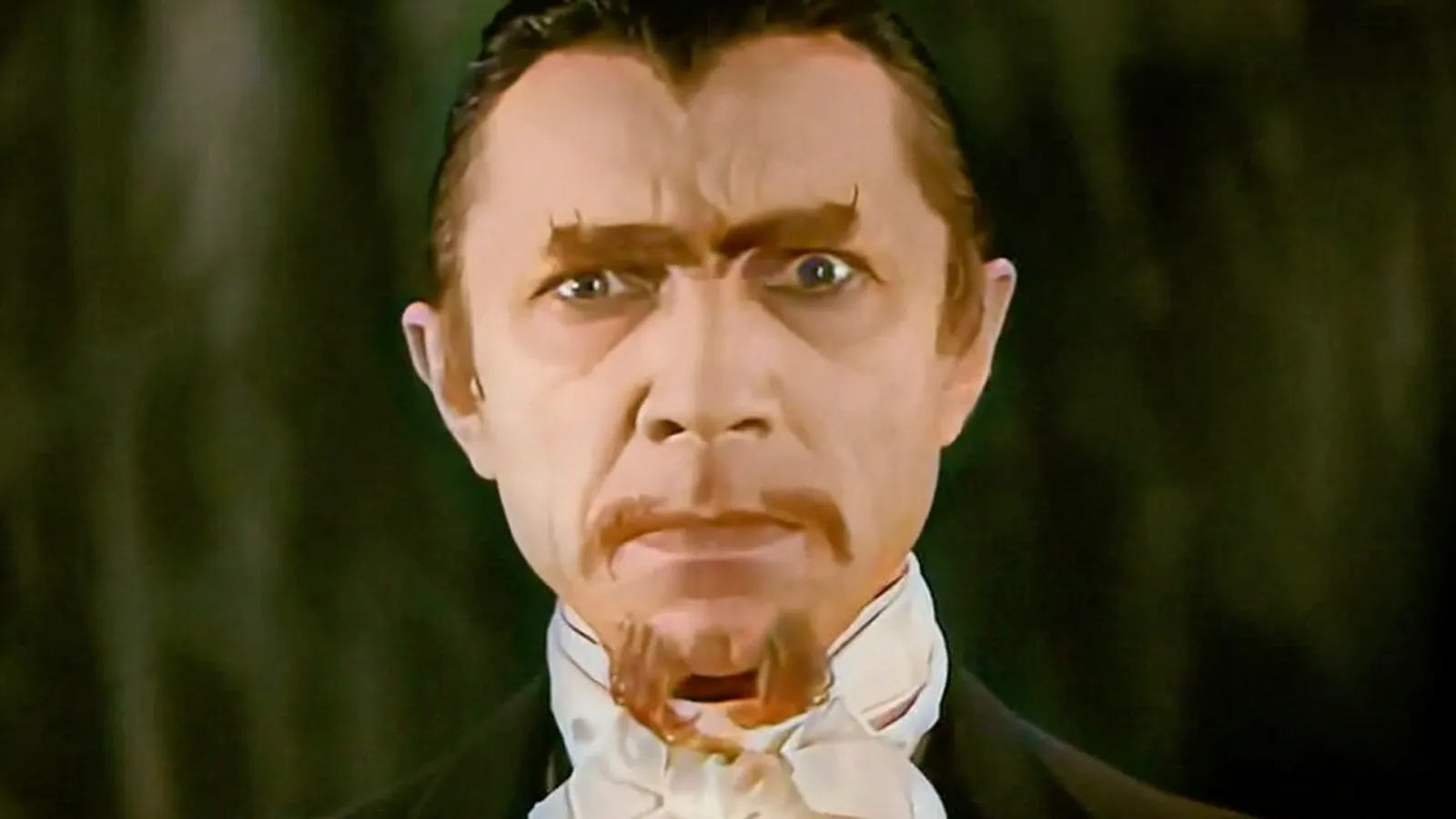
The first feature-length zombie film, made independently by the Halperin brothers and shot in 11 days on sets rented from Universal and RKO-Pathé. Bela Lugosi, a year after Dracula, runs a Haitian sugar mill worked by the living dead.
Before Romero, this was what a zombie was: a person robbed of their will and put to work. The whole film is built from borrowed rooms and staircases, and it looks far richer than it cost.
White Zombie
Victor Halperin · 1932 · 66 min
Attack of the Crab Monsters (1957)
This is the B movie after the old studio system ended. Roger Corman made it for Allied Artists for about $70,000, and it became the most profitable film he had made up to that point. The writer, Charles B. Griffith, was told every scene needed either suspense or a shock.
Scientists on a shrinking Pacific island are hunted by giant crabs that absorb the minds of the people they eat. The crabs are not convincing. The pace is.
Attack of the Crab Monsters
Roger Corman · 1957 · 63 min
A Bucket of Blood (1959)
Corman shot this in about five days. Dick Miller plays Walter Paisley, a busboy at a beatnik café who wants to be an artist and finds that his sculptures sell best with a body inside.
It is a horror film and a satire of the art scene at once, and it shows what the B movie was good at: a sharp idea, a few sets, and no one from the studio asking questions. The team reused the same idea the next year for The Little Shop of Horrors.
A Bucket Of Blood
Roger Corman · 1959 · 65 min
The Amazing Transparent Man (1960)
Edgar G. Ulmer shot it in Dallas back to back with a second feature, Beyond the Time Barrier, on a combined schedule of about two weeks. Ulmer had spent decades making films this cheap.
A group of spies helps a thief break out of prison, then turns him invisible so he can steal nuclear materials. It is a B movie in its plainest form: a small cast, a short schedule and a director who knew how to stretch both.
The Amazing Transparent Man
Edgar G. Ulmer · 1960 · 58 min
The Terror (1963)
When Corman finished The Raven, the castle sets were still standing, so he paid Boris Karloff for two more days and shot a new film around them, with a young Jack Nicholson as a French officer lost on the coast.
The rest was filled in over nine months by whoever was available, including Francis Ford Coppola, Monte Hellman and Jack Hill. It is a B movie made from the leftovers of another B movie, which is the form at its most pure.
The Terror
Roger Corman · 1963 · 79 min
Dementia 13 (1963)
Coppola's first mainstream feature. Corman had a crew in Ireland finishing another picture and gave the 23-year-old a small budget to shoot a horror film with the same people before they flew home.
An axe murderer stalks a family estate during the anniversary of a daughter's drowning. It launched a career: the man who made this on almost nothing made The Godfather nine years later.
Dementia 13
Francis Ford Coppola · 1963 · 75 min
Where to go next
- The B movies that turned into cult classics are in Cult Classic Movies.
- The ones that failed so completely they became entertainment are in So Bad It's Good Movies.