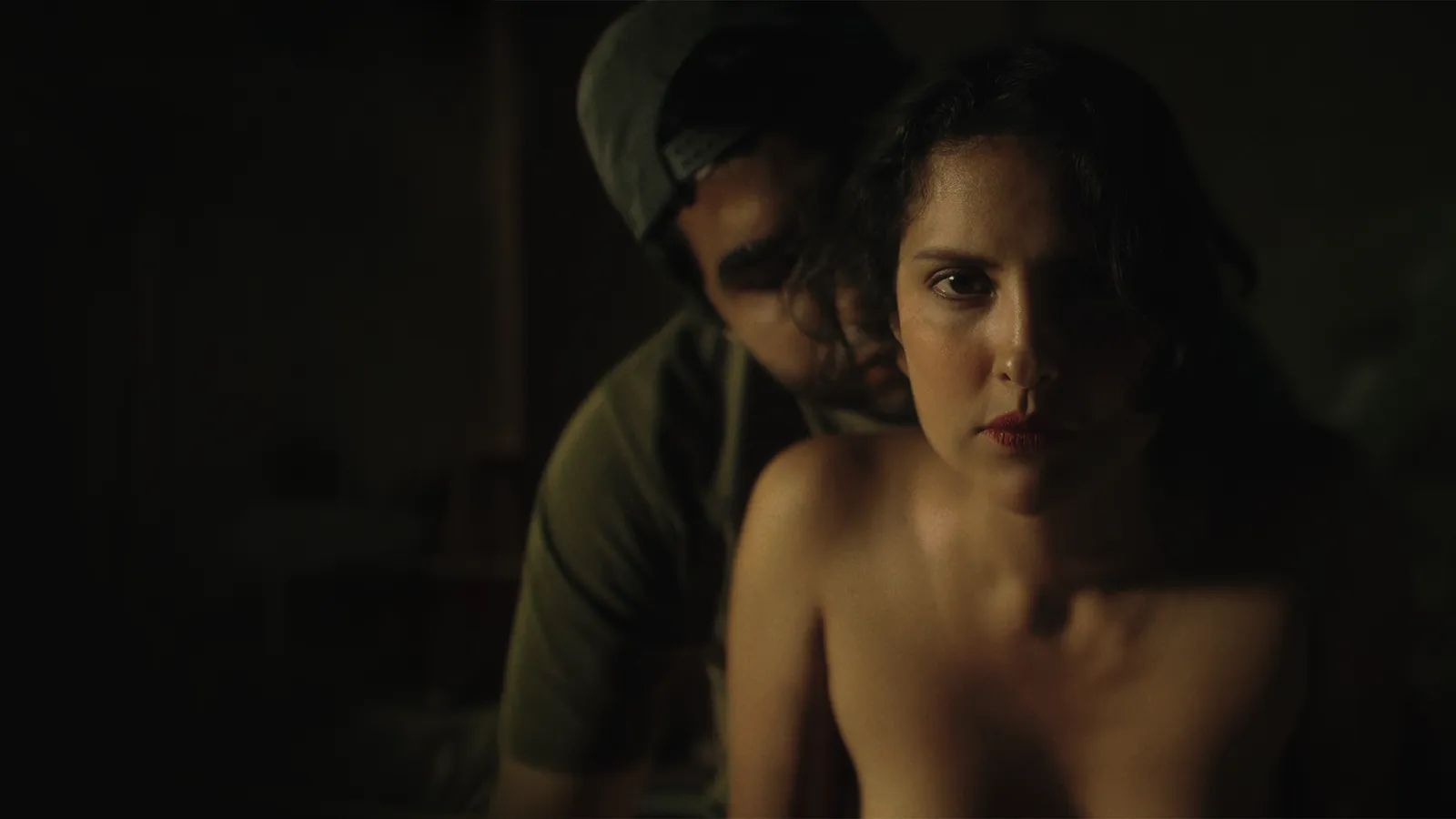
Movie Spotlight: 7 Immoral Tales
Director Sebastian Vientosalvaje on shooting seven anthology stories in Lima, playing himself in the most personal segment, and the difference between moralism and honesty.
By Relay · Friday, May 22, 2026 · 2 min read
Seven stories. Each one about desire, power, and what people do when they stop pretending. A woman and a man. A teacher and his longing. A man who plays a character in one segment and is, unmistakably, playing himself. The anthology form is old, but Lima filmmaker Sebastian Vientosalvaje uses it to ask a question that does not have a clean answer: is it possible to witness the full range of what human beings are capable of without flinching away from the parts that implicate you?
Vientosalvaje did not begin 7 Immoral Tales with an outline. He started each story with a general idea and let the characters move where they needed to go. “I often surprised myself,” he says, “discovering where the story itself was taking me.” That loose approach produced something the screenplay could not have planned: a body of work where the filmmaker’s own ambivalence is present in every frame.
The Wolf and the Man
Vientosalvaje describes one segment involving an immigrant woman and a man who holds power over her. He anticipates that viewers will want to save her. He also anticipates that viewers will want to be in the man’s shoes. Both responses are correct, he argues. That duality, what he calls “a wolf-man, a sophisticated animal,” is not a flaw in the audience. It is the honest condition. “Immoral? Maybe that would be the politically correct interpretation,” he says, “but political correctness often moves away from human reality.”
The film’s title is deliberately provocative, but Vientosalvaje is clear that he is not trying to pass judgment on what he shows. He is not interested in that. He is interested in whether the soul can reconcile with itself after looking honestly at what it contains.
Lima as a Character
The film was shot in Lima, mostly in intimate spaces and a studio the team built over time. The city itself shapes the emotional texture. Vientosalvaje describes Lima as “harsh and sensitive, chaotic and melancholic at the same time,” and the productions reflect that doubleness. The team is small, close-knit, filtering itself naturally to create what Vientosalvaje calls “the best possible human conditions, where everything could flow without major distractions.”
The Most Personal Story
In the segment called “The Blue Danube,” Vientosalvaje plays the male character himself. He also used real archival footage, which gives that section of the film a different dimension than the others. More direct. More exposed. He describes it as the story closest to him, and the decision to appear in it was not calculated. “It was something closer to chance,” he says of how the stories ordered themselves. He prefers the audience to find their own way in, to choose which story to enter first and what conversation that choice opens.
What to Know Before You Press Play
“They will encounter intense, human, and contradictory stories that happen every day,” Vientosalvaje says, “within this dazzling shadow that is life itself, with all its deception and all its charm. Stories that will leave a bittersweet taste lingering on their lips.” That is a fair description. This is not a film that makes things comfortable, and it is not trying to.
7 Immoral Tales
Sebastian Vientosalvaje · 2026 · 87 min
Streaming now on Relay.