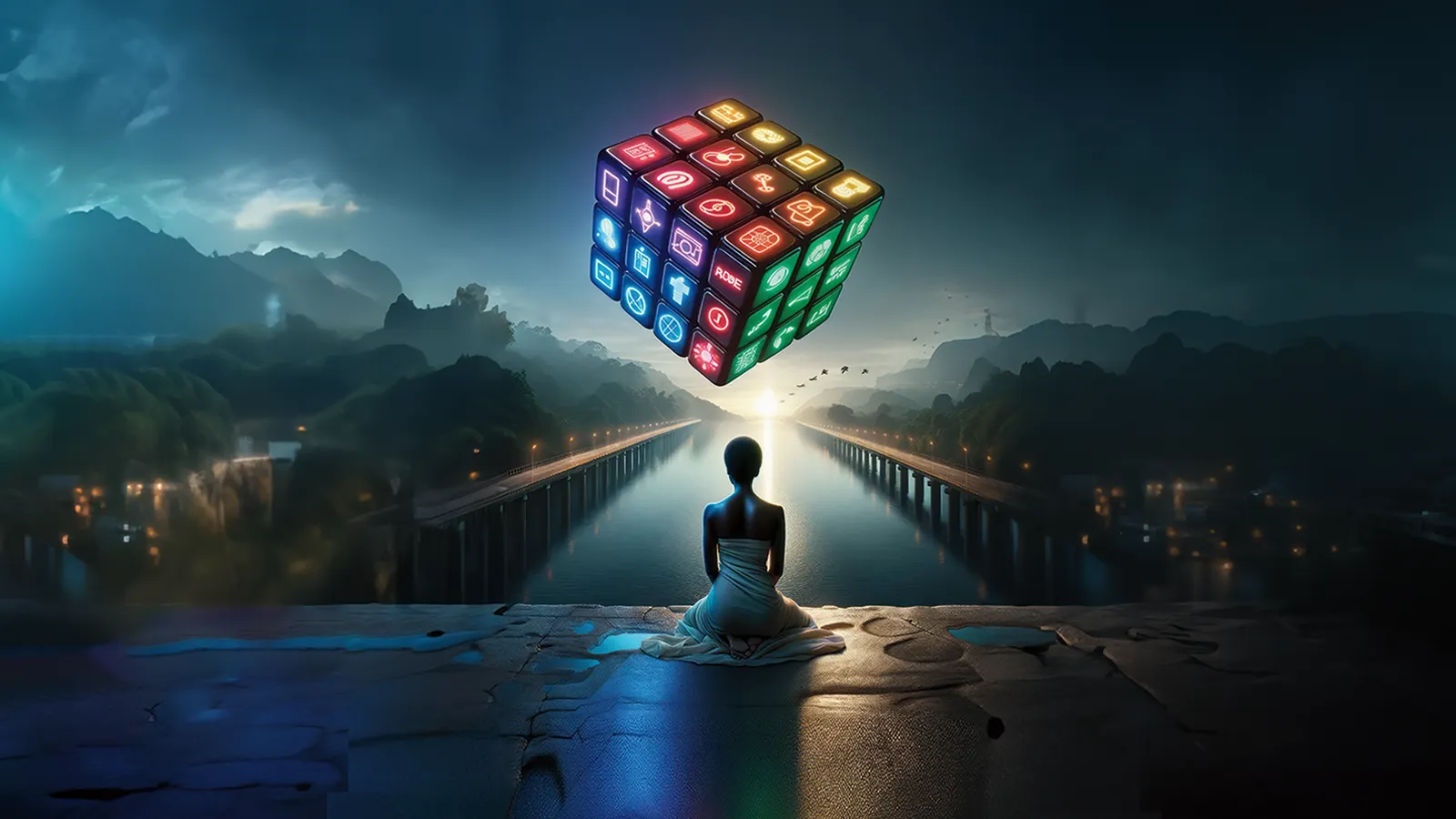
Movie Spotlight: AI Decoded: Creativity or Chaos?
James Gregson, Rod Thomas, and Arthur Sesnovich of Catnip Productions interviewed 75 people across law, ethics, technology, and the arts and found no consensus. What they found instead was a debate that has stopped being about tools and started being about identity.
By Relay · Wednesday, May 27, 2026 · 3 min read
An artist named Jason Allen won a fine art competition using an AI tool. The response was not debate. It was fury. One message told him he should “choke and die on his own vomit.” That reaction, the filmmakers of AI Decoded: Creativity or Chaos? came to understand, was not really about Jason Allen. It was about fear.
James Gregson, Rod Thomas, and Arthur Sesnovich of Catnip Productions built the documentary around a question they refused to answer in advance: is AI ultimately a benefit or a threat to human creativity? They interviewed roughly 75 people across law, ethics, technology, and the arts. They found no consensus. What they found instead was something more revealing: a debate that has stopped being about tools and started being about identity.
No Easy Answers
The team deliberately avoided taking a side going in. Some members weren’t sure how they felt personally. What shifted over the course of making the film wasn’t a landing on “creativity” or “chaos” as the definitive frame. It was the recognition that AI can be either one depending almost entirely on the person using it and why. Artists who saw AI as an accelerant to imagination sat across from artists who viewed it as a direct assault on originality, ownership, and the value of human effort. Both sides made compelling arguments. The filmmakers found that illuminating rather than unsatisfying.
They also wanted to push back against the extremes. The idea that AI will either usher in a limitless creative era or destroy authentic human expression entirely struck them as too clean. “The reality is much messier,” they say. “And, frankly, more uncomfortable.”
The Question of Authorship
The documentary asks whether there is “a new heir to the creative throne.” A single sentence typed into an AI platform and published unchanged is hard to call creative authorship in any meaningful sense. But a creator who spends hours shaping prompts, refining tone, guiding structure, injecting personal experience, and steering a final vision still owns that work in a real way. What AI has shifted, the film argues, is creativity from execution-based skills toward decision-making, curation, and direction. One interviewee put it simply: AI is “a creative partner who never sleeps, never takes a break, and never gets offended when you reject its ideas.”
The more unsettling possibility the film raises is that audiences may increasingly care less about how something was created and more about whether it moves them. If that happens, the definition of authorship may not just change. It may stop mattering the way it once did.
75 Voices, No Consensus
Vetting the interviews required constant vigilance. AI generates confident opinions presented as facts at every level of the conversation, including from credentialed experts. The filmmakers did extensive fact-checking through research, academic sources, and cross-referencing interviews against each other. What they were after was not universal agreement on predictions or ethics, but a solid factual foundation underneath the debates.
The Jason Allen story became a kind of test case for how heated that foundation can get. Allen, featured in the documentary, used AI tools to create a piece that won a fine art competition. The backlash was international and, in places, deeply personal. For the filmmakers, that reaction clarified something: this is no longer just a technology debate. It has become a question about talent, identity, and what it means to call yourself an artist.
Ethics Running Behind the Technology
The gap between what AI can do and what society has decided it should do is, the film suggests, where most of the real drama lives. New creative capabilities emerge almost weekly. The ethical frameworks around authorship, ownership, transparency, and the definition of creativity itself are still catching up. The filmmakers draw a comparison to medical technology: the ability to keep a patient alive through near-total organ failure exists, but society has not established clear guardrails for when that is right or wrong. AI is in a similar position, except the pace of change is much faster and the decisions affect far more people simultaneously.
What to Know Before You Press Play
The filmmakers want one thing understood going in: this is not a technology story. It is a human story about how people respond to change, uncertainty, and disruption. “There are no unanimous voices in this film,” they say. “The people we interviewed have dramatically different opinions about AI’s creative potential, its ethical implications, and its long-term consequences. We’re not presenting a simple answer. We’re presenting a conversation.” The irony worth holding onto: AI is a technology built around learning and adaptation. The public conversation around it, they found, can sometimes feel remarkably closed-minded.
AI Decoded
James Gregson · 2026 · 63 min
Streaming now on Relay.