The Indian village where nearly every family has sent a soldier
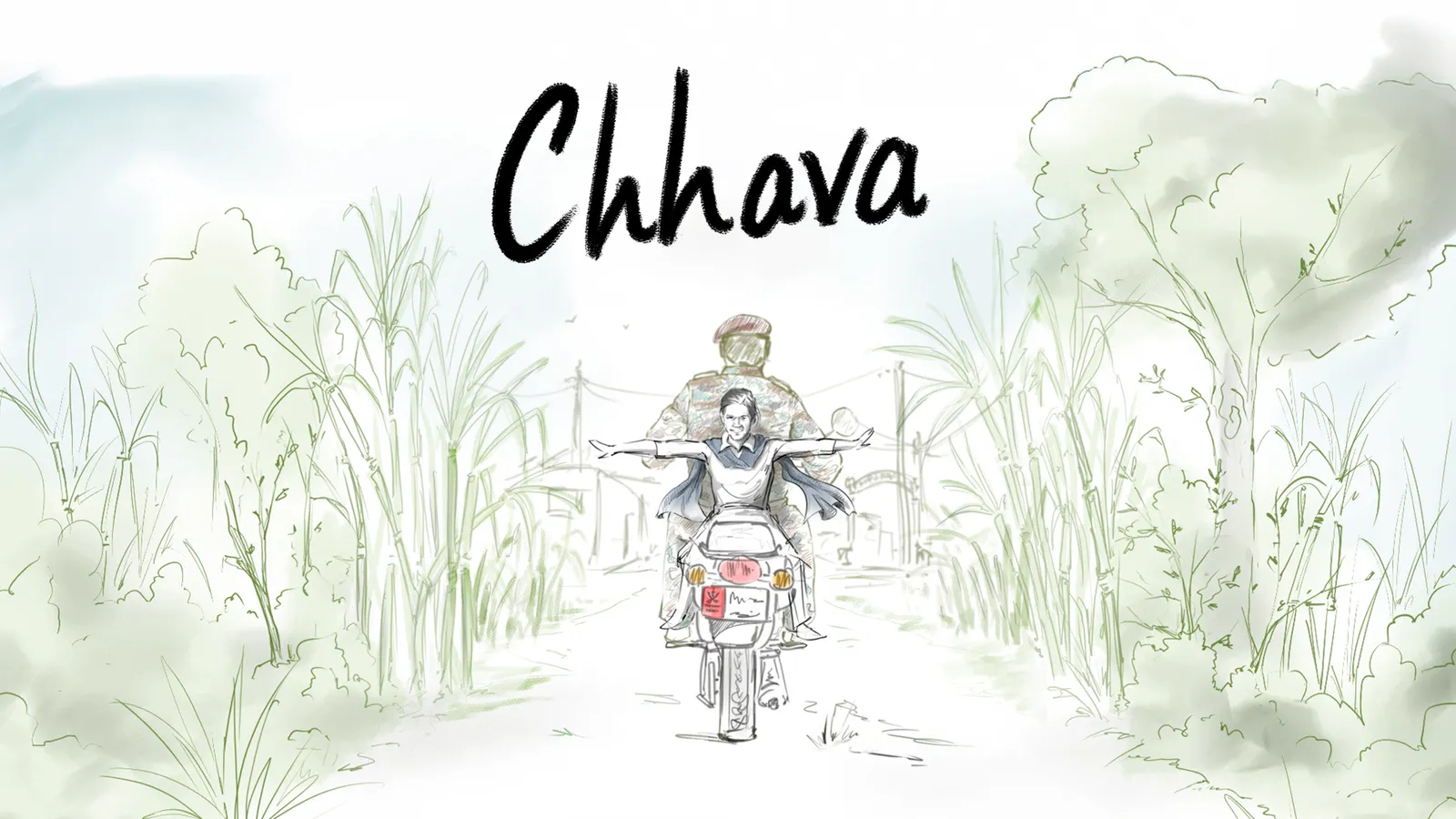
Chhava (2024) is a 38-minute Marathi documentary about Apshinge, the Indian village that has sent soldiers for generations.
By Relay, Movie Spotlight · Sunday, November 22, 2026 · 3 min read
Chhava is a 38-minute documentary in Marathi, made in 2024 by five design students from Mumbai. It is a portrait of Apshinge, a village in western India where at least one member of nearly every family has served in the armed forces. It is not the 2025 Hindi historical epic Chhaava starring the actor Vicky Kaushal. Locals trace the village tradition back to Shivaji Maharaj, the Maratha warrior king, and it runs through both World Wars to the present day. The students turned their camera less on the soldiers than on the people who wait for them at home.
The film follows families in Apshinge, in the Satara district of Maharashtra, told by the parents, wives and children of men in uniform, in Marathi, the language of the state. The epic, by contrast, is a feature film about Chhatrapati Sambhaji Maharaj, the eldest son of Shivaji, who was known as Chhaava, meaning lion's cub. Both films share a word and a history, but this one is about real families in the village as it is now.
Why is it called the military village?
Apshinge is home to about 3,000 people. During World War I, 46 of its men died, and the British built a memorial pillar in the centre of the village in their honour. Villagers say its other name, Apshinge Military, was given by the British government, not the Indian one.
The village head, Tushar Nikam, told the Indian Express that Apshinge has sent soldiers to fight since the time of Shivaji. The same paper reported that many homes hold only women and children, because the man of the house is away serving, and that the village as a whole looks after those families. That side of the story is the one the film sets out to tell.
Who made the film?
The students were in their second year at a design college in Mumbai. Their professor, Sudeep Mehta, mentored the project and produced it. Festival listings credit Anurag Srijit and Arman Shaikh as directors, while the release credits name Srijit alongside his classmates Azzam Khan, Deep Kadam and Kshitij Jagdale. Festivals presented them as first-time filmmakers.
Shaikh said the idea grew out of his years in the National Cadet Corps, a youth training programme linked to the armed forces, and from wanting to show the human side of the families of those who dream of serving their country. Srijit said the shoot took around 20 days and the whole film about three months. Shaikh said the villagers were eager to share their stories, and that the hardest part was deciding how to end it.
What does the film show?
Mehta has said that films usually show the bravery of soldiers guarding the country, but that their families play an equal part, and the students wanted to show that other side of their resilience. The film is observational, and it stays in the village with the people left behind.
Its first showing was in Apshinge itself, in June 2024, to a crowd that its makers put at over 400 villagers, among them veterans and serving soldiers. According to the filmmakers' press release, Nikam said that many had filmed the village before, National Geographic among them, but none had captured its emotion the way the students did. A film about a place, judged first by the people in it, is a rare kind of test.
Who is it for?
It suits viewers interested in India, military history and what war asks of the people who never go to the front. It is short, it is observational, and it lets an ordinary village speak about a tradition most of the world has never heard of. It streams on Relay.
Chhava
Azzam Khan · 2024 · 38 min