Movie Spotlight: Conversations with Robert Carradine
Dan Searles on Conversations with Robert Carradine, a documentary assembled from two sessions filmed between westerns they made together, exploring the career, music, and racing life of a man much more than Lewis Skolnick.
By Relay · Wednesday, May 20, 2026 · 4 min read
At a signing table, a fan told Robert Carradine he had been a nerd just like him growing up, that Bobby had made it okay to be himself. Bobby stopped signing, looked up, and set him straight: he wasn’t a nerd. Never was. The farthest thing from it, actually. But he knew a few, if the man would like an introduction. “You see I was just acting my friend, but I’m glad you liked the performance.”
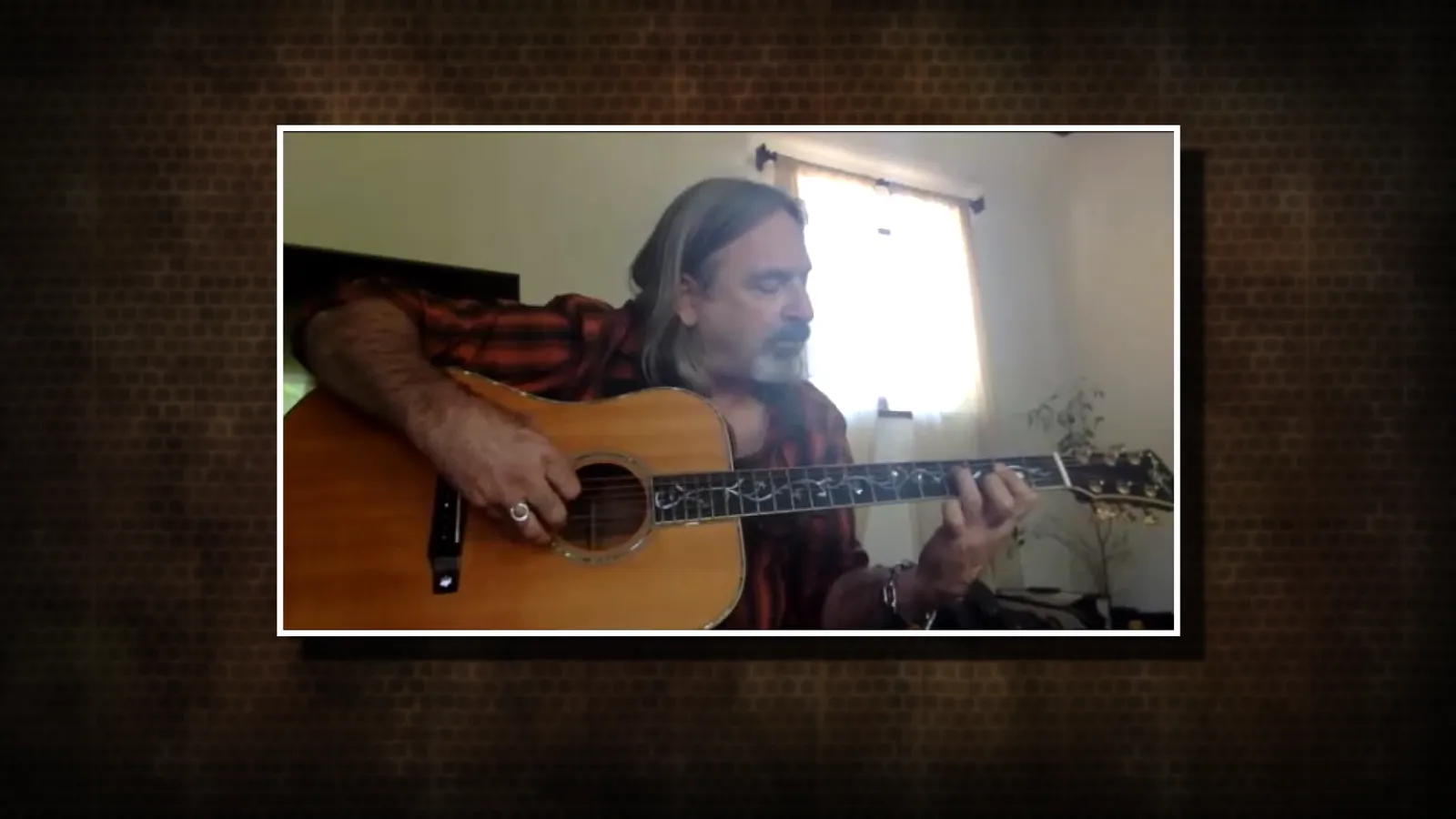
Dan Searles wrote, directed, and produced Conversations with Robert Carradine, assembled from two sessions filmed between the westerns they made together. Searles wrote Bill Tilghman and the Outlaws and Was Once A Hero, met Bobby on the first, and they hit it off. The conversations started running long. Someone said they should record them. After Bobby passed, Searles found the footage and discovered they had gotten two full sessions down. He put them together.
How it started
The plan was loose. “I told Bobby I wanted to talk to him and let people know about the other sides of his life because I thought they were fascinating,” Searles says. No format, no agenda. “We just wanted to talk and then record talks. It was informal. It was fun.” Two men between movie sets, talking about everything. That’s what it is.
The man behind the movies
Searles had been tracking Bobby’s career since The Cowboys with John Wayne. Then The Long Riders, which assembled the Carradine brothers (Keith, David, and Robert), the Quaid brothers, the Guest brothers, and the Keach brothers. From there he followed him into The Big Red One, directed by Samuel Fuller (Bobby told him to only watch the director’s cut), and then Coming Home with Jane Fonda and Jon Voight. Revenge of the Nerds is what most people know him from. But Bobby had been living a life before and after Lewis Skolnick that most audiences never saw.
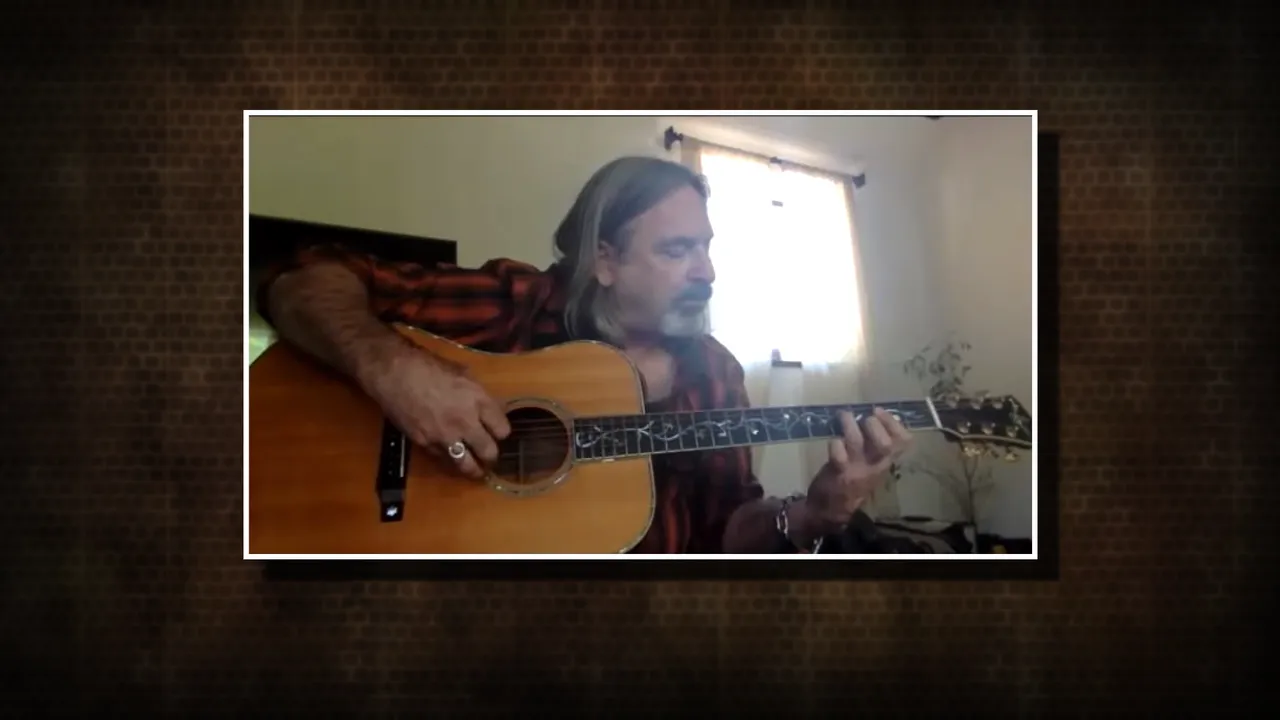
He dated Jamie Lee Curtis and Melanie Griffith. He raced cars professionally, not as a weekend hobby. He played guitar well enough to become a studio musician. “Really smart, smart, fun guy,” Searles says. “I just wanted to do an interview that brought those attributes to light for people.”
A musician at 18, at Madison Square Garden
Bobby played with Ramblin’ Jack Elliott at 18, on the stage at Madison Square Garden. Ramblin’ Jack was a formative influence on Bob Dylan, a genuine icon in folk music. Getting on that stage at that age alongside that person is not a casual accomplishment. The musical gene runs through the family: David played in Bound for Glory, the Woody Guthrie biography; Keith won an Academy Award for Best Original Song from Nashville for “I’m Easy.” Bobby also did studio work, and as Searles puts it: “You don’t do studio work unless you’re a terrific, concise player.”
Racing to the limit
Bobby tried out for a professional race car team. Went around and around the track, however long it took. When he climbed out of the car, he literally could not hold his neck up. It was exhausted from taking left turns. He made the team. “Man, he just went for it,” Searles says. “Lived life to the fullest in the best sense of the word.”
The set’s where it’s at
The first film Searles ever wrote was Bill Tilghman and the Outlaws. The day ran long. Searles fell asleep under a truck. When he woke up, Bobby was standing over him, kicking on his boot. He hadn’t sent anyone. He came himself. Would Searles come watch him do the scene again? He liked the writing, he said, and wanted to make sure he was honoring it. “This iconic actor took the time to ask a first time writer if I liked what he was doing,” Searles says. “How cool is that?”
Bobby had a saying: the set’s where it’s at. If you can get on a movie set in any role, any capacity, do it. It’s one of the most creative, fun things you’ll ever do in your life. He worked in everything from small pictures to some of the biggest films ever made, alongside some of the biggest actors, and believed in all of it equally.
His proudest subject
Searles wanted to mention one more thing. Bobby loved his family. When conversations turned to his brothers or his children, he lit up. He would rather talk about them than himself. “He was so proud of them, their works and careers,” Searles says. “He treasured those relationships.” For a man with every reason to be the center of the story, his instinct was always to hand it to someone else.
What to know before you press play
“If you’re not a fan, don’t know his work, hopefully this gives you an insight into the person that may make you want to watch his films,” Searles says. “But if you are a fan, I guess I want you to know that if you thought he was an interesting actor, or thought he was probably a cool guy or a fun person to be around, I can confirm he was maybe one of the coolest guys you’ve ever been around. If that was your perception, you would’ve been exactly right.”
And if you thought he was a nerd, he was a really, really good actor.
 Documentary
Conversations with Robert Carradine
Dan Searles · 2026 · 30 min
Streaming now on Relay.