Movie Spotlight: Dirty Coin: The Bitcoin Mining Documentary
Filmmaker Halana Mediavilla went looking for the reporting nobody had done on Bitcoin's energy use and found a story about infrastructure, stranded power, and a grid in Malawi that Bitcoin helped build.
By Relay · Friday, June 5, 2026 · 3 min read
The headlines were loud and the actual reporting was thin. That was the observation that turned into a documentary. Every outlet was repeating that Bitcoin was boiling the oceans, and almost no one had done the legwork to follow the electrons and verify whether that was actually true.
Halana Mediavilla brought a specific lens to the question. Before directing Dirty Coin: The Bitcoin Mining Documentary, she worked at Google Cloud, which meant she already understood what a data center actually was and what it takes to run one. The coverage, she found, was “misguided, honestly a little ignorant,” and she couldn’t tell if it was one-sided on purpose or if people simply didn’t grasp the full scope of what they were describing. So she went to find out.
The energy isn’t being stolen
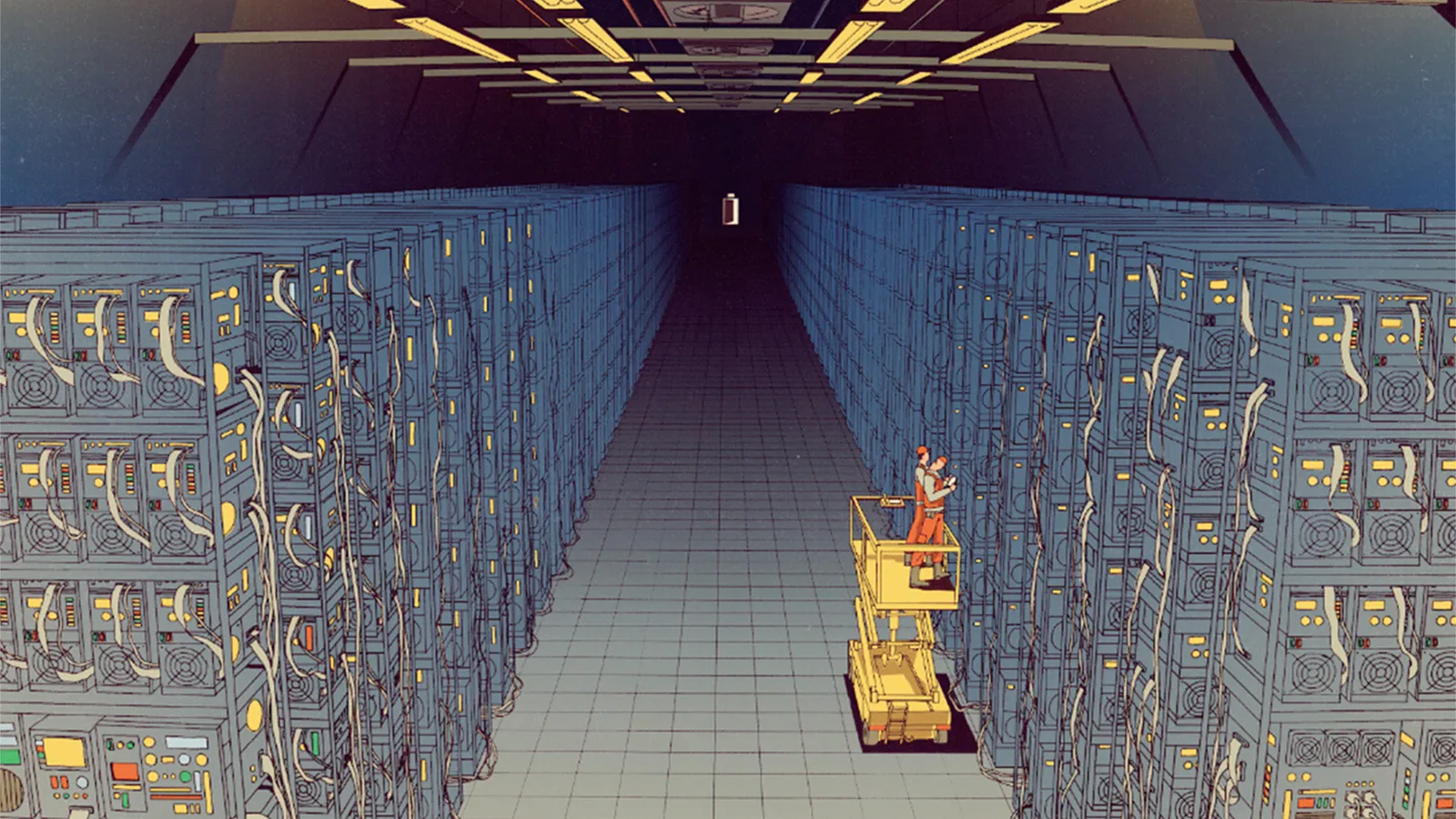
The assumption baked into the entire debate, Mediavilla found, is that every watt a miner uses is a watt taken from a hospital or a home. That’s not what the data shows. Most of what Bitcoin mining runs on is energy that would otherwise have gone to waste. Grids throw away enormous amounts of electricity just keeping spare capacity ready for peak demand. Stranded energy and flared gas exist all over the world with nowhere to go. The number everyone loves to quote, X terawatts, tells you almost nothing on its own. The real question is what that energy would have done otherwise. “A lot of the time,” she says, “the honest answer is nothing at all.”
Why the mine, not the whitepaper
Mining is where Bitcoin touches the ground. Everything else floats at the level of abstraction. Mining is megawatts, heat, hardware, and land. If you want an honest conversation about energy and infrastructure, you can’t do it from a desk; you have to go to the mine. The incentives are also nakedly visible from there: miners chase the cheapest power on earth, and the cheapest power is almost always the power nobody else wanted.
The Malawi grid that Bitcoin built
The clearest illustration Mediavilla found was in Malawi. There was no electricity there, and without electricity, there was no demand. That meant the grid operator couldn’t justify the capital expenditure to expand the infrastructure; the math simply didn’t work. Then Bitcoin miners arrived, immediately absorbed all the excess capacity, and paid for it. The grid operator was suddenly financing buildout from profit instead of debt. Schools, hospitals, stores, and homes got connected. The system grew organically, adding machines as it could sustain them. “The cost to mine became the thing that made the grid possible,” Mediavilla says.
The wrong question
“How much energy does Bitcoin use?” sounds rigorous. Mediavilla argues it’s the wrong question, because it treats every kind of energy as identical and every use as equally justified. The better version is: what energy, and what would have happened to it otherwise? We keep asking whether it’s worth it before we’ve agreed on what the actual trade-offs even are. That framing shift is what the film is built around.
Refusing to make a cheerleading film
Mediavilla let the strongest critics actually talk. She followed evidence instead of ideology. And she doesn’t pretend the picture is uniformly positive: there are places where mining operations moved in next to suburbs, brought noise, and created real stress for people. “It’s not a single verdict,” she says. “It’s a very location-by-location situation.” The voices she assembled reflect that complexity: Jeff Booth on what happens when you divorce money from the state, Senator Cynthia Lummis on methane mitigation she’s witnessed firsthand, Mark Moss on trade-offs, and Tone Vays on where Bitcoin fits into the longer history of finance.
What to know before you press play
“You don’t need to like Bitcoin, or know anything about it, to get something out of this,” Mediavilla says. “It’s really a film about energy, and about how data centers are growing their footprint all around us. Bitcoin mining is one version of that, but the bigger story is that these facilities are going to keep expanding into our lives whether we understand them or not. The more we know, the better prepared we are for what’s coming. So come in for Bitcoin if you want, but you’ll leave thinking about a lot more than that.”
Dirty Coin: The Bitcoin Mining Documentary
Halana Mediavilla · 2024 · 70 min
Streaming now on Relay.