Movie Spotlight: Fragment
G. Robert Vornkahl built Fragment from what was at hand: a desert location, a tight budget, and a question about what it means to not fit the program.
By Relay · Friday, June 26, 2026 · 3 min read
The garden won’t grow. The house feels wrong. The man beside her keeps smiling. In a barren desert, a computer programmer named Lilith watches her reality come apart at the seams, one inexplicable glitch at a time. She is rational. She is capable. She just doesn’t fit the program.
That’s the premise G. Robert Vornkahl built Fragment around: a woman whose very nature makes her incompatible with the world she’s been placed in. “We wanted to include a biblical allegory so we would have a solid foundation for the otherwise crazy plot,” Vornkahl says. The simulation is the Garden of Eden. The God figure is a programmer. And Lilith, unlike the Adam who came before her, simply doesn’t comply.
Start with what you have
Fragment didn’t begin with an idea in search of a location. It began with a location in search of an idea. Vornkahl and his collaborators had access to a desert property and a limited budget. The question they asked was: what story can we tell with these tools? Simulation theory, Lilith mythology, and the psychology of a woman trapped inside someone else’s rules turned out to be the answer. A 400-line outline followed, with Vornkahl, Danielle Vornkahl, Kristi Shimek, and Stephen Shimek each bringing different areas of knowledge: Lilith mythology from one, night terrors from another, simulation theory from a third. Katy Baldwin then compiled and shaped the script, adding her own voice to the dialogue and settings.
She just doesn’t fit the program
The choice to make Lilith a programmer was deliberate. In a film about a simulation run like a patriarchal system, giving the central character a technical mind and financial independence was the point. “We wanted her to have autonomy and be the breadwinner of the relationship,” Vornkahl explains. Her skills should, in theory, help her understand and escape. Instead, they make her more aware of how rigged things are. She can see the code. She just can’t change it.
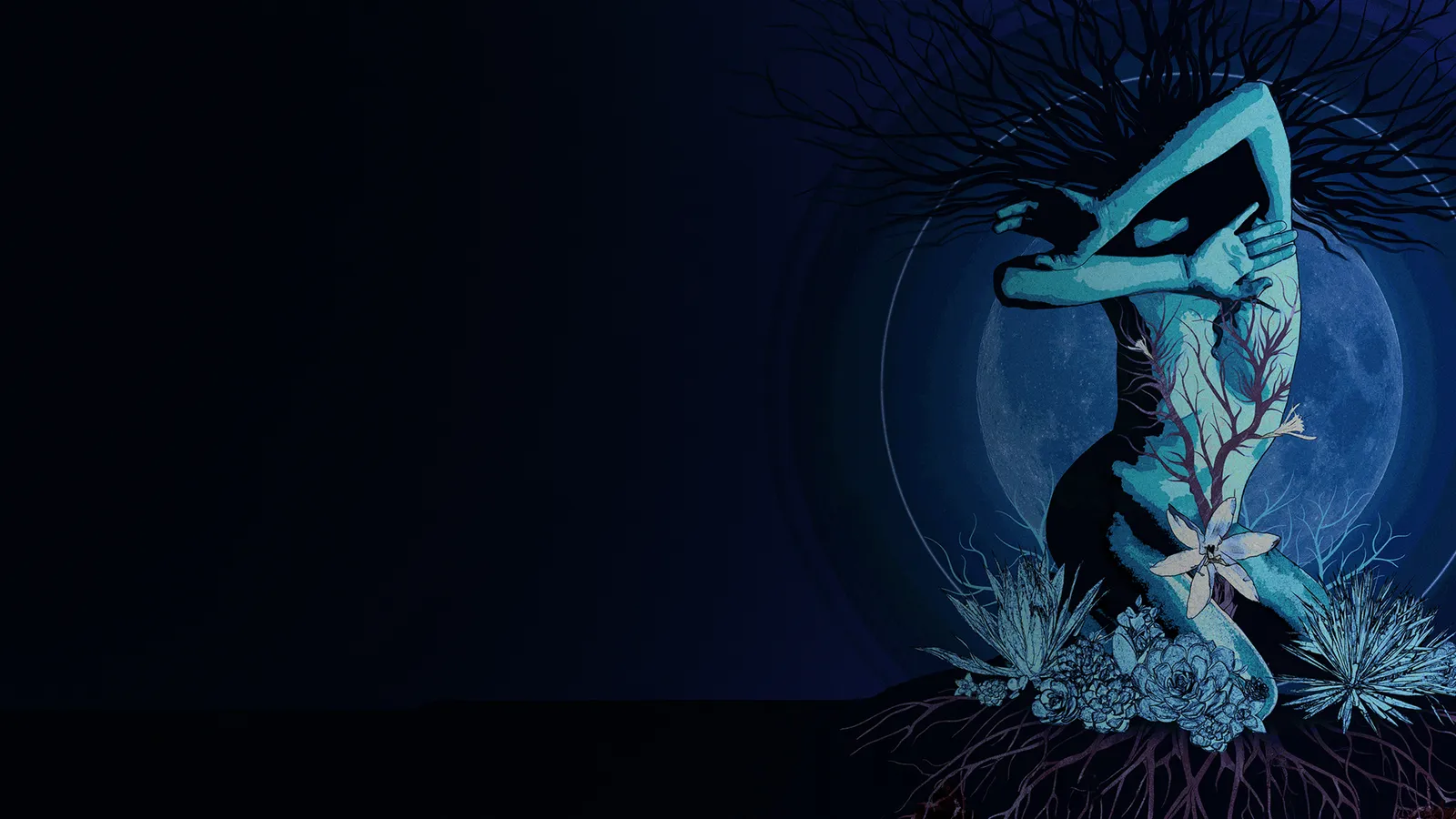
The biblical layer runs deeper than the names. Adam (Nick Jax Slater) is nearly finished, almost compatible, just needs a few more tweaks. Teacher (Robert Donovan) dispenses quiet patriarchal advice. Tester (Siri Olsen) checks whether Lilith is “getting with the program.” She isn’t. And when a program doesn’t function as designed, the simulation isolates it, then eliminates it. Alyssa Morrison’s Eve arrives as proof that the system corrected the problem. Fragments of Lilith remain, visible in the desert lily, but the simulation moves on.
The landscape does the work
The dry, barren land surrounding Lilith’s supposed dream home mirrors something internal. Vornkahl is direct about the intention: “The land surrounding what is supposed to be her dream home is inhospitable and incapable of sustaining life. That is illustrated in Lilith’s struggle with her garden.” She can’t make things grow. Nothing takes root. The desert isn’t just atmosphere. It’s her diagnosis.
A slow burn with body horror at the edges
The tone Vornkahl was after: an unsettling look at marriage and societal norms, with a psychological thriller underneath and body horror at the edges. He wanted the audience sitting in the tension before anything breaks. “We wanted to create a world through a slow burn so we could soak in the drama,” he says. That patience is earned. The film earns its strangeness by establishing just enough normalcy to make the cracks disturbing.
The title itself works on several levels. Fragments of code left behind by the simulation. What happens to Lilith by the end. And something more universal: “In order to fit the mold society expects of us, we are often forced to leave pieces of ourselves behind.” That internal struggle, choosing to conform or embarrassing yourself how you actually are, runs under everything.
What to know before you press play
Vornkahl wants viewers to arrive with patience and leave with questions. “We want the audience to question, bring their own personal experience and really dig into all of the lore we built,” he says, “and hope they have a great discussion after the film.” The Lilith mythology isn’t as widely known as others in the biblical tradition. That gap is part of the point. This is a film that rewards the curious.
Fragment
G. Robert Vornkahl · 2024 · 87 min
Streaming now on Relay.