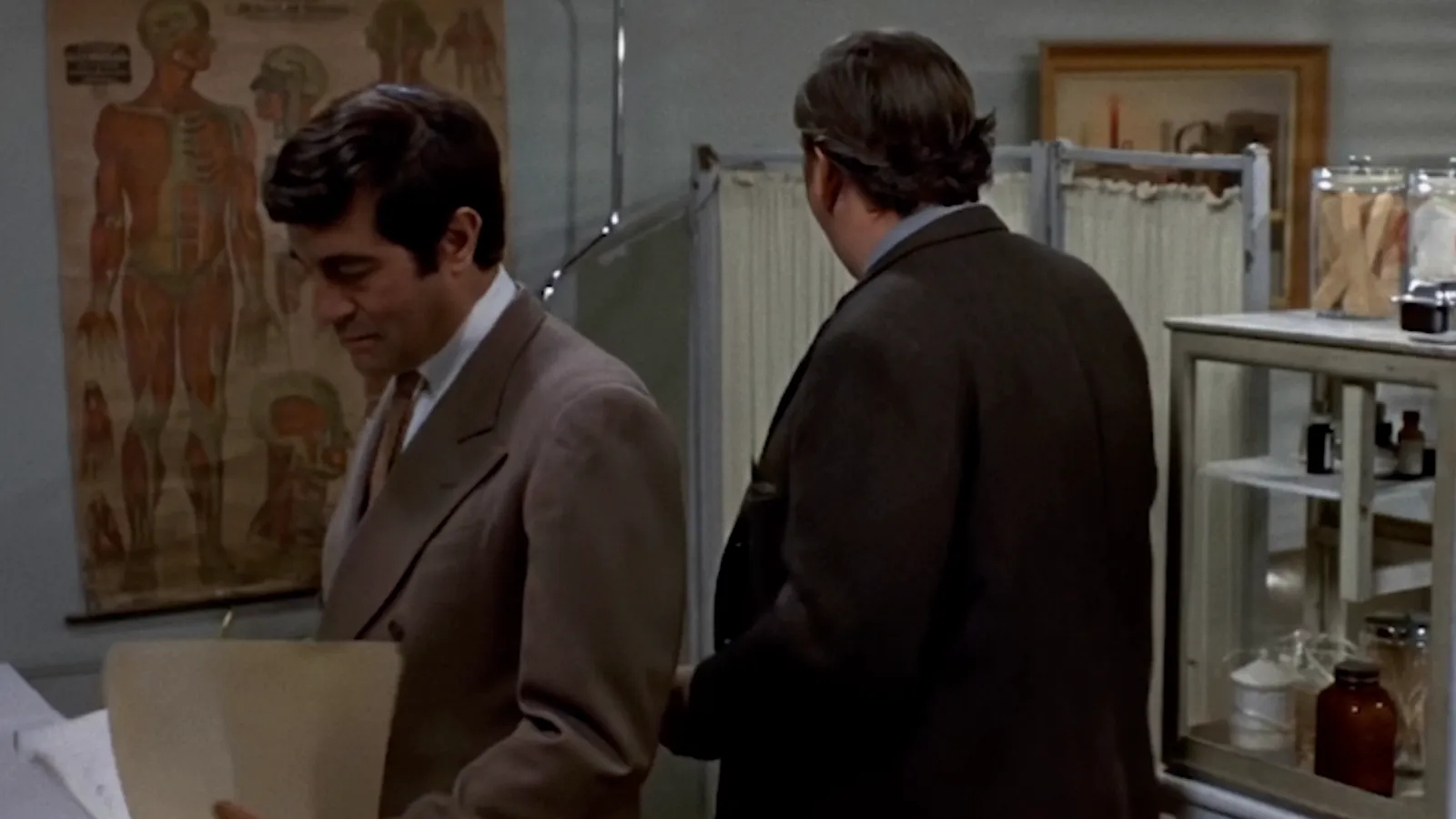
The Sopranos creator's first screenplay was a vampire film
Grave of the Vampire (1972) was David Chase's first screenplay, a low-budget horror film about a vampire's son who hunts his father.
By Relay, Movie Spotlight · Thursday, October 15, 2026 · 3 min read
Grave of the Vampire was made in 1972 by director John Hayes, and it is the first screenplay by David Chase, the writer who later created The Sopranos. Before The Sopranos, Chase wrote a vampire story about a family of a different kind: a father who feeds on the living and a son who has come to stop him.
The setup is simple. In 1940, a young man proposes to his girlfriend, Leslie, in a cemetery. A vampire named Caleb Croft rises, kills the man and assaults her. Leslie survives and gives birth to a son, James, who is raised on her blood. Thirty years later, James goes looking for his father.
Who wrote Grave of the Vampire?
The AFI Catalog, the American Film Institute's database of American films, credits Chase with the screenplay and Hayes with the story treatment. It describes the film as Chase's screenwriting debut, and notes that he went on to become known for The Rockford Files, the detective series, and for The Sopranos.
Some modern sources say the script came from a Chase novel called The Still Life. The AFI Catalog says it found nothing to confirm that, and the book does not appear in the film's credits. Reviewers who went looking for a copy have not found one either, so the claim stays out of this post.
What happens when the son finds his father?
Croft is no longer in the cemetery. He now calls himself Professor Adrian Lockwood and teaches college students, and some of them are his victims. James enrolls in his night class to get close to him. Michael Pataki plays Croft, and William Smith plays James.
The story turns on Anne, a student who looks like Croft's dead love, Sarah. Croft holds a séance to bring Sarah back through her. That sets up the finale, a fight between father and son on a second-story landing, which reviewers single out as the film's most relentless stretch.
The film ends on a title card that reads "Fin. Ou peut être pas?", French for "The End. Or perhaps not?" The AFI Catalog records the line as part of the film, and notes that the Motion Picture Association gave the film a PG rating, even though one trade review listed it as R.
How cheap was it?
It was a drive-in film, made on a reported budget of $50,000. Daily Dead, the horror site, says it was released by Entertainment Pyramid, an independent company, and that Hayes made another film, Garden of the Dead, the same year. The two played as a double bill.
The money shows in places, and critics have noticed what it did not stop. One review calls the film "lots better than its tawdry packaging would suggest" and praises its restraint and atmosphere.
Is there more to the father-son story?
Critics have traced a thread from this script to Chase's later work. Zach Vasquez, writing in Crooked Marquee, argues that the film's central idea is heredity as fate: a curse that passes from parent to child, in the same way it does in The Sopranos. He sees Chase working through family history in an early script.
That reading is the critic's, not Chase's. What the record shows is plainer: a first-time screenwriter, a small budget, and a story about a son who cannot escape what his father was.
Who is it for?
Grave of the Vampire suits viewers who like drive-in horror, vampire stories from the Seventies and the early work of well-known writers. It is a short, odd film with an ending that leaves the door open.
Grave of the Vampire
John Hayes · 1972 · 90 min