Movie Spotlight: Magoado
Director Rubén Sainz shot Magoado on the coast of Santa Catarina, Brazil, about a Basque man hiding from his past who discovers the teenage son he never knew, told in a square 1:1 frame that traps both men inside their own story.
By Relay · Wednesday, June 24, 2026 · 2 min read
Peio crossed an ocean to erase himself. He lives on the Brazilian coast now, fishing, drinking, surviving. He speaks enough Portuguese to go unnoticed. He does not speak Basque anymore. Basque is a fingerprint, and fingerprints give you away.
Then his son arrives. A son Peio has never met, who crosses the world to find a father he never had. Magoado is a Portuguese word. It means hurt, wounded, carrying pain. Director Rubén Sainz built a film around that state of soul, shot in the Santa Catarina coast of Brazil and in Pasaia, Spain, a fishing village that once inspired Victor Hugo. The film stars Diego Álvarez as Peio and was co-written by Sainz and Karmele Barandiaran.
The Landscape as the Character
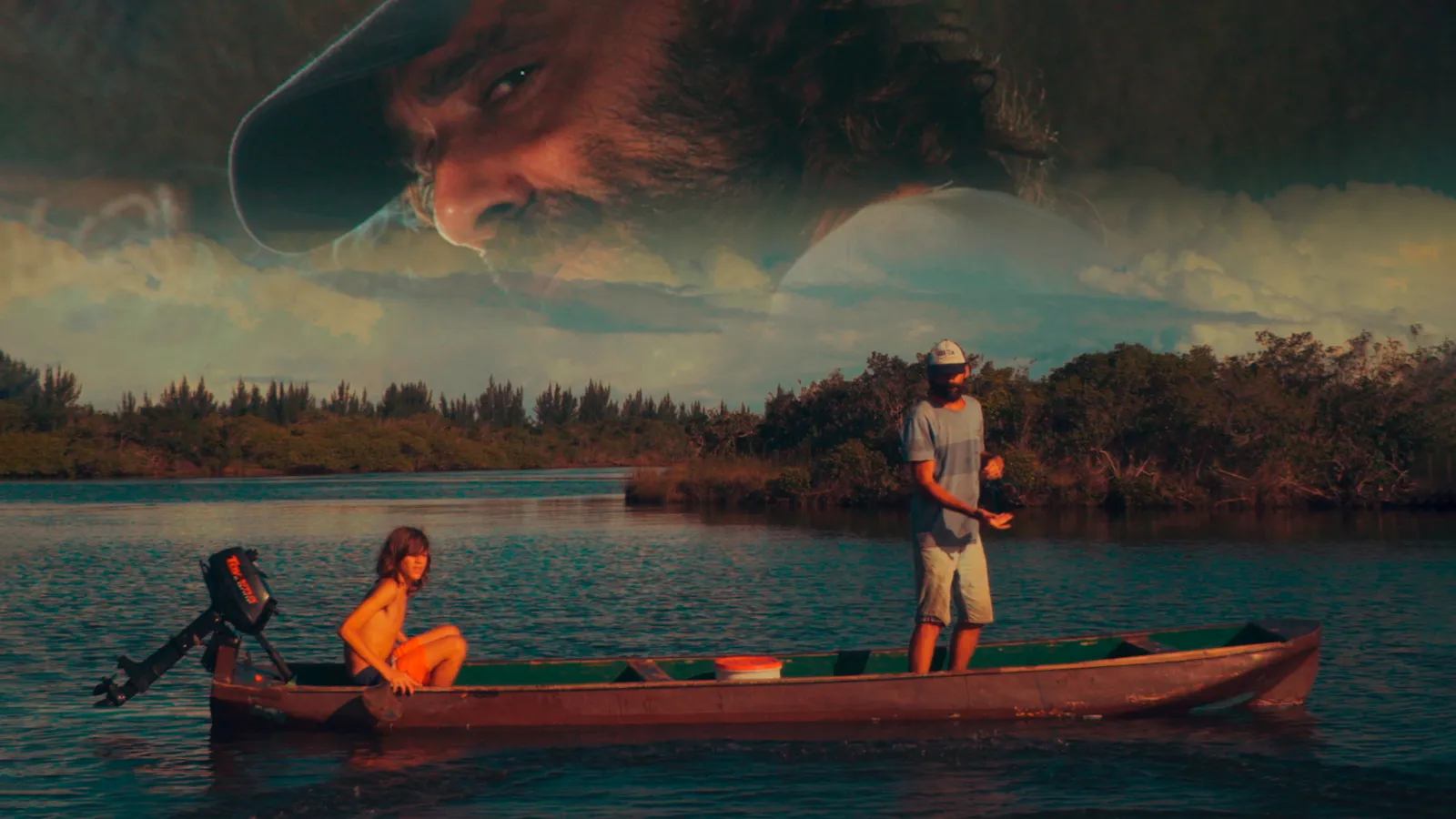
Santa Catarina is not a backdrop in this film. Sainz is explicit about it: “The more beautiful the landscape, the more evident the loneliness of the one who inhabits it.” The coast is exuberant, the jungle is wild, and Peio cannot see any of it because he is too busy surviving himself. The rhythm of Santa Catarina is slow and organic. That sets the pulse of the entire film.
The production filmed across Pinheira, Guarda do Embaú, the dunes of Sirió, and Florianópolis, and at Pasaia in Guipúzcoa, Spain. Local fishermen and real inhabitants of the Santa Catarina coast appear alongside the professional cast. Their presence, Sainz says, gives Magoado a texture that casting calls could not manufacture.
The Language That Cannot Be Spoken
Peio refuses to let his son speak Basque. The prohibition is deliberate and desperate. Nobody on the Brazilian coast can know where they come from. Nobody can know who they are. “Language in Magoado is not just communication, it is survival.” Peio tries to speak Portuguese, muddles through it, uses it as a disguise. Basque belongs to a life he erased. His son speaks Basque. The collision between them runs through the whole film without ever being said directly.
The Square Frame
The film shoots in 1:1, a square aspect ratio. Sainz describes this as a statement of intent. The square frame imprisons. There is no lateral space, no possible escape. “The characters are contained, locked inside their own frame, just as they are locked inside their own fears.” It is the aesthetic of the old Polaroid, capturing a moment without ornament. And it is also the format of the phone screen, immediate and intimate. Old and contemporary at once.
The Hardest Moment
The turning point in Magoado is not a fight or a confession. It is the first moment Peio sees his son. A man who crossed an ocean to erase himself, standing face to face with the only person in the world who shares his blood. Sainz says: “That silence weighs more than any word ever spoken on a screen.”
What to Know Before You Press Play
Magoado is not a fast film. Sainz asks for patience. “The patience to sit with a broken man and wait for something to shift in him. And when it shifts, when it finally shifts, you feel it in your gut.” The film ends with a question you carry home: how long can you run from yourself before everything catches up with you?
Magoado
Ruben Sainz · 2021 · 76 min
Streaming now on Relay.