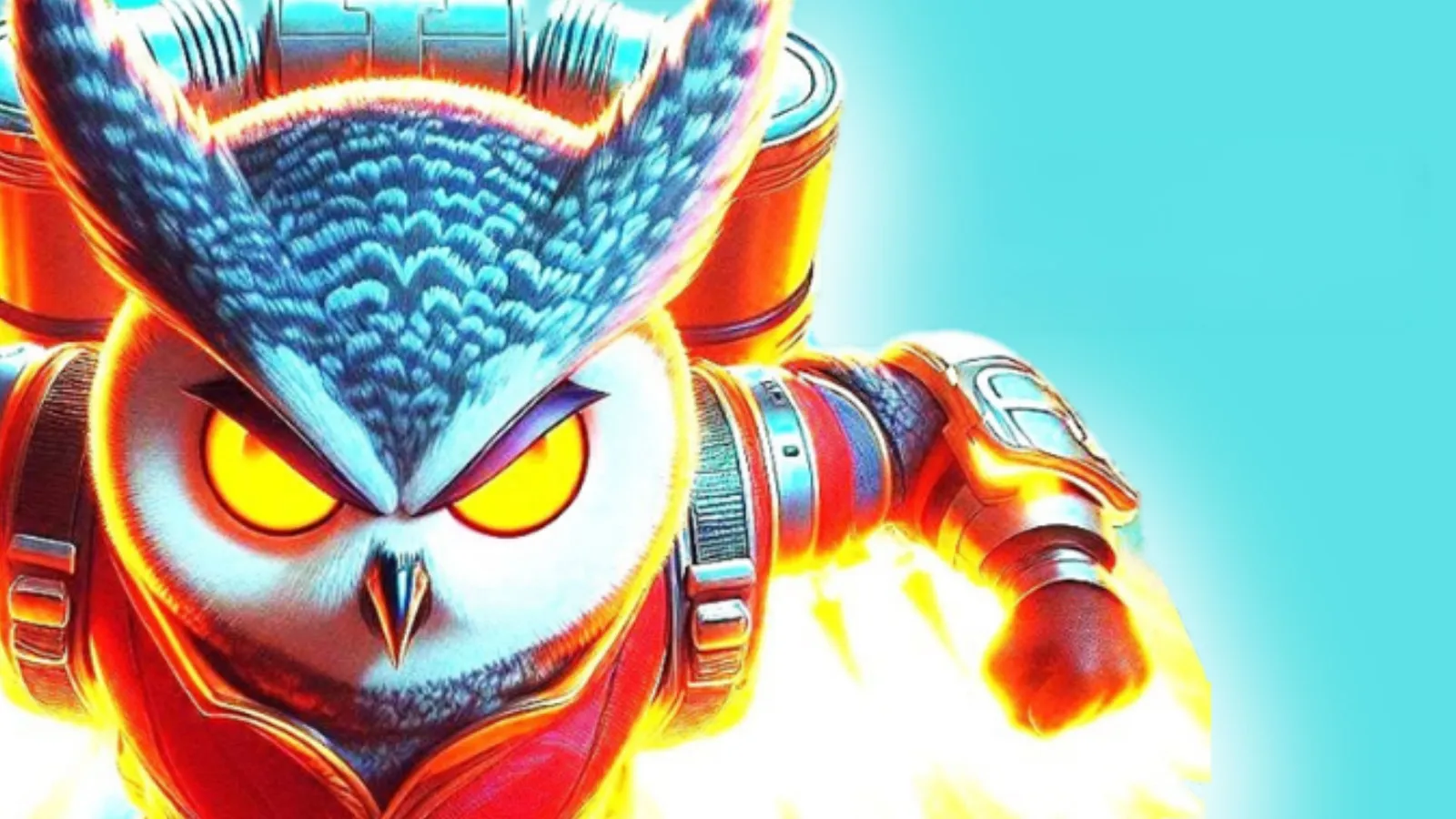
Q&A: David Santo on MoonFu
Before it was an animated film, MoonFu was a bestselling book. Before that, it was a conviction: that kids are carrying bigger feelings than most entertainment gives them credit for.
By Relay · Monday, May 4, 2026 · 5 min read
Before it was a film, MoonFu was a bestselling Kindle book. Before it was a book, it was a conviction: that kids are carrying bigger feelings than most entertainment gives them credit for, and that a martial-arts owl prince was exactly the right vehicle to meet them there.
David Santo wrote it, directed it, composed it, and produced it. The result is 22 minutes that feel like the opening of something much larger.
We talked to David about owls, emotional intelligence, and why the action sequences are actually a visual language for what MoonFu is feeling inside.
From book to animation
MoonFu began as a bestselling Kindle book. What made you want to turn it into animation?
MoonFu made the jump to animation because the story was bigger than the page. The book proved there was an audience for this world: families, kids, even adults who saw themselves in these owls trying to navigate their feelings. But words could only capture part of what MoonFu was meant to be.
MoonFu is all about emotional intelligence: courage, frustration, friendship, self-doubt. Those moments land with a different kind of power when a character's eyes widen, or their feathers puff up, or their whole body reacts to a feeling they don't yet have words for. In animation, it all comes alive when the characters move.
Why owls
The film follows a rebellious owl prince growing into something bigger than himself. What drew you to owls for this kind of story?
When I started shaping MoonFu, I realized owls carry this beautiful duality that fits a hero's journey perfectly. On one hand, they look wise, calm, and almost mystical. On the other, real owls are awkward, emotional, curious, clumsy, loud, and absolutely chaotic when they're learning how to fly or hunt. This contrast, myth vs. reality, is exactly what a coming-of-age story is.
I wanted a lead character who could show kids that you don't have to be perfect to be brave. Owls look like they have it all together, but they're still figuring things out. That's MoonFu. That's every kid. And that's every one of us trying to grow into something bigger than ourselves.
The moral choice at the center
MoonFu eventually has to choose between serving his kingdom and saving a hidden colony of endangered owls. Why was that dilemma important to the film?
That choice, kingdom or colony, is the moment MoonFu stops being a kid reacting to the world and starts becoming someone who can shape it. I built that dilemma into the story because coming-of-age isn't just about getting stronger or braver. It's about deciding what your strength is for.
MoonFu choosing the colony over the crown is the moment he becomes more than a prince. It's the moment he becomes someone worth following. And I think kids feel that. They recognize when a character chooses compassion over ego. It gives them permission to do the same.
Action as emotional language
The project blends family adventure, martial-arts energy, humor, and heart. How did you balance action with emotional storytelling?
I approached MoonFu with one guiding belief: kids don't need less emotion. They just need it delivered in a way that feels safe and funny. So the balance between action and heart wasn't an accident. It was baked into the DNA of the project from day one.
The martial-arts moments aren't there just to look cool. They're expressions of what MoonFu is feeling. When he's overwhelmed, his moves get sloppy. When he's confident, they're fluid. The action becomes a visual language for his inner world.
Kids are surrounded by fast content, but they're also carrying big feelings. The action pulls them in. MoonFu's heart and epic journey stay with them long after it ends.
Sensei Hoot
Sensei Hoot feels like a classic mentor figure. What lessons did you want MoonFu to learn through his training?
Sensei Hoot was always designed to be the wise old mentor. I wanted him to be the kind of teacher who's patient but imperfect, strict but loving, and quietly rooting for you even when you're driving him absolutely up the wall. His lessons aren't about turning MoonFu into a warrior. They're about turning him into a whole, grounded owl.
Kids today are navigating big emotions in a fast world. So I wanted Hoot to model the kind of mentorship that helps them feel seen, safe, and capable. His training isn't about creating a fighter. It's about creating a kid who knows how to handle life with resilience.
22 minutes, a saga's worth of shape
The film is only 22 minutes but has the shape of a much bigger adventure. How did you decide what to include?
I treated the 22-minute runtime like a pressure cooker: tight, intentional, and focused on the emotional spine of the story. MoonFu's world is huge, but for this film I had to ask one question over and over: what serves MoonFu's growth right now, and what belongs to a bigger chapter later?
I treated this film like the opening chapter of a much larger saga. It needed to feel complete, but also like the doorway to something more expansive. By focusing on MoonFu's emotional journey and trimming everything that didn't serve it, the story stays tight while still hinting at the world waiting to be explored.
Award-winning screenplay
The screenplay won awards at multiple international festivals. What do you think connected with judges and early audiences?
I think what connected with judges is that MoonFu delivers something people don't always expect from an all-ages animated story: emotional truth in a world that feels fresh, funny, and visually alive. Proper formatting, a clear emotional arc, a world that feels different but instantly relatable. Emotional intelligence and moral dilemmas that don't feel preachy.
MoonFu doesn't try to be everything. It tries to be true. And when a story is emotionally honest, even when it's told through martial-arts owls, people can feel it.
Before you press play
For families discovering MoonFu on Relay, what would you want parents and kids to know?
I want families to know that watching MoonFu is a safe place to be. It's prosocial by design. That means every scene is crafted to model emotional resilience, empathy, and problem-solving, but not in a preachy way, in a way that feels natural and fun. It's built to be trusted.
Moonfu
David Santo · 2026 · 22 min
Streaming now on Relay.