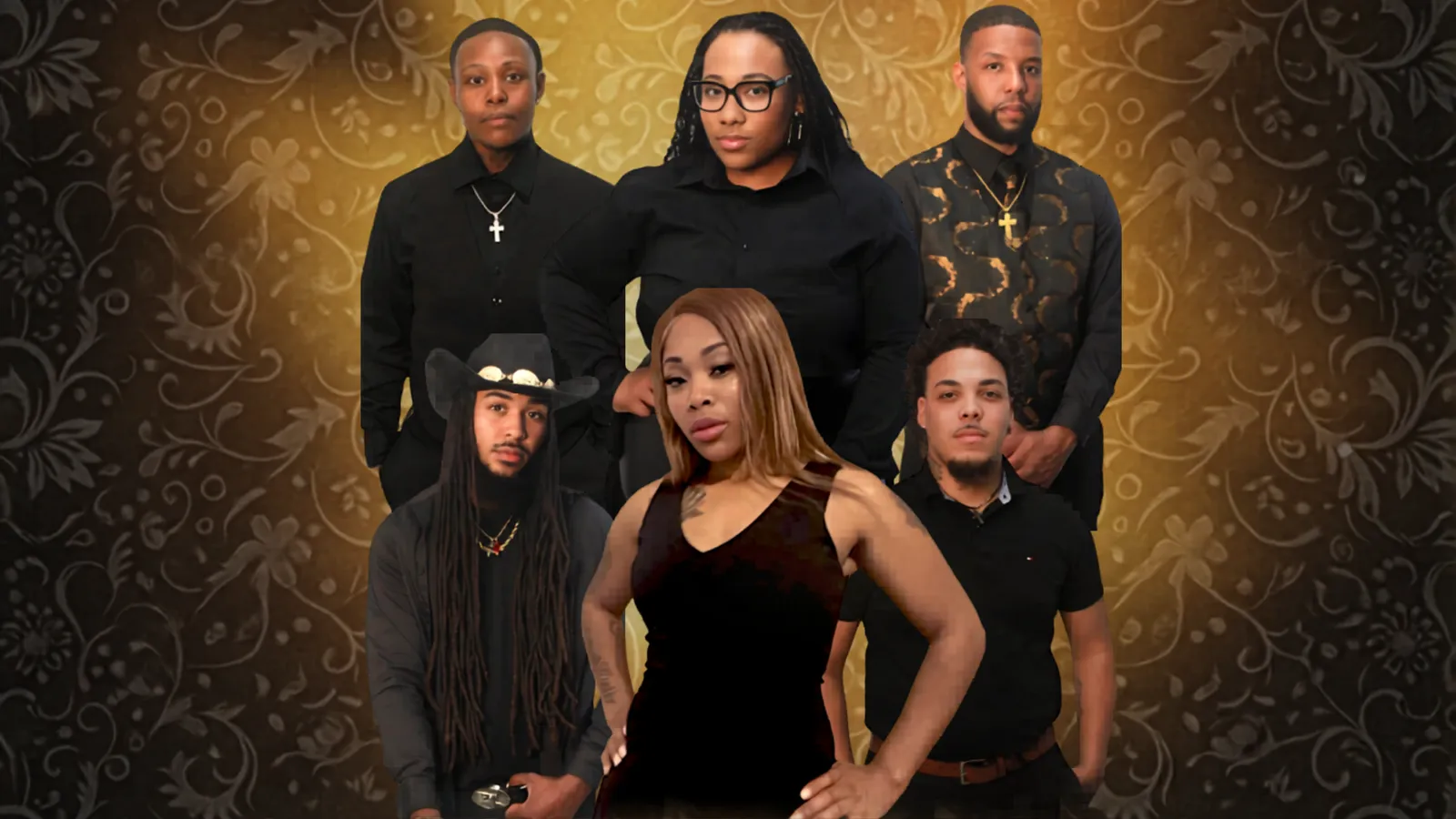
Movie Spotlight: Stand By Me
After ten years in prison, Sabrina comes home to a marriage, a church, and a town all holding onto secrets of their own. Writer-director Akela Heard on building Stand By Me around forgiveness instead of judgment.
By Relay · Wednesday, July 8, 2026 · 4 min read
Ten years is a long time to be gone. It’s long enough for a marriage to go still, long enough for secrets to take root and grow in the dark. Stand By Me starts at the hardest part, after the sentence is served and the door opens, when Sabrina has to find out whether the marriage she left behind is still there to come home to.
Writer, director, and composer Akela Heard built the film around a bigger question than what tears a marriage apart. She wanted to know what it takes to keep showing up after it already has. “I’ve always been fascinated by what happens after ‘I do,’” Heard said. “We celebrate weddings, but we don’t always talk about what it takes to stay committed when life gets messy.” Sabrina and Daniel aren’t written as a cautionary tale. Heard describes them as two imperfect people fighting for something worth saving, pulled less from one specific relationship than from years of watching real couples do that work.
A song written after the story was already true
The film opens with a title track Heard co-wrote with Travis Harrison, the one that announces itself with “ain’t no fairy tale, no perfect design.” It sounds like a thesis statement, but it wasn’t written as one. “The film definitely came first,” Heard said. “Travis Harrison and I didn’t create the title song until after we had completed the movie.” Once they watched the finished cut, she said, they wanted the music to feel like an extension of what audiences had just experienced, shaped by love, redemption, forgiveness, and the reality that life isn’t a fairy tale. The rest of the score followed the same order. Rather than building scenes around music that already existed, Heard and Harrison scored after the picture was locked, so the songs would support what was happening onscreen instead of bending it toward themselves.
The church has its own ledger
Pastor Cooper preaches provision and protection from the pulpit, while behind him a secret account and a life insurance policy on his own son are quietly coming apart. Heard wasn’t interested in using the story to take a shot at the church. “Churches are filled with real people, and real people have struggles,” she said. “I wasn’t interested in attacking the church, but I wanted to remind people that no one is above accountability.” Faith communities can heal people, in her telling, and still be made up of people hiding from the truth. The film asks what happens once the appearances holding a place together start to crack.
What Sabrina keeps to herself
Sabrina spent ten years behind bars, and the film is in no hurry to explain why. Heard structured the reveal so audiences would experience Sabrina’s past the way Daniel does, in pieces, over time, rather than all at once in an opening scene. “I wanted the audience to experience the story the same way Daniel did,” she said. “That’s how life works, people often carry things you know nothing about.” The delay isn’t a twist for its own sake. It gives the audience room to meet Sabrina as a person before they’re handed a reason to judge her, and that makes the film’s questions about grace land harder.
Monica won’t let it go
Heard also plays Monica, the church bookkeeper who starts pulling on the thread of the missing funds almost like an amateur investigator dropped into a marriage drama. That mystery thread wasn’t an afterthought. “I never wanted Stand By Me to be just a relationship drama,” Heard said. “The mystery surrounding the missing money created tension while also showing that different people can be carrying different burdens at the same time.” Directing herself into those scenes meant switching hats constantly, from director to actor and back, while playing the one character willing to ask what everyone else in the church was avoiding. “Monica wasn’t the loudest person in the room,” Heard said, “but she asked the questions that pushed everyone toward the truth.”
Tupelo, and the line that stays with you
The film is grounded in Tupelo, Mississippi, moving between the barbershop, the church, and the salon chair where Sabrina sits with her friend Naudia. Heard wanted those spaces to feel lived in rather than staged. “Those spaces represent community,” she said. “They’re places where people celebrate, grieve, gossip, pray, and support one another.” It’s in that community, at an anniversary dinner, that someone says the quiet part out loud, that this is the thing with Black families, always wanting to push things under the rug instead of dealing with them out in the open. Heard hopes the line outlasts the scene. “So many families avoid difficult conversations because they’re uncomfortable, but silence often allows hurt to grow,” she said. “My hope is that audiences leave encouraged to communicate, forgive when possible, and understand that pretending everything is okay doesn’t make problems disappear.”
What to know before you press play: in Heard’s words, viewers “are about to watch more than a marriage story. It’s a story about forgiveness, second chances, accountability, and choosing love even when life doesn’t go according to plan.”
Stand By Me
Akela Heard · 2026 · 90 min
Streaming now on Relay.