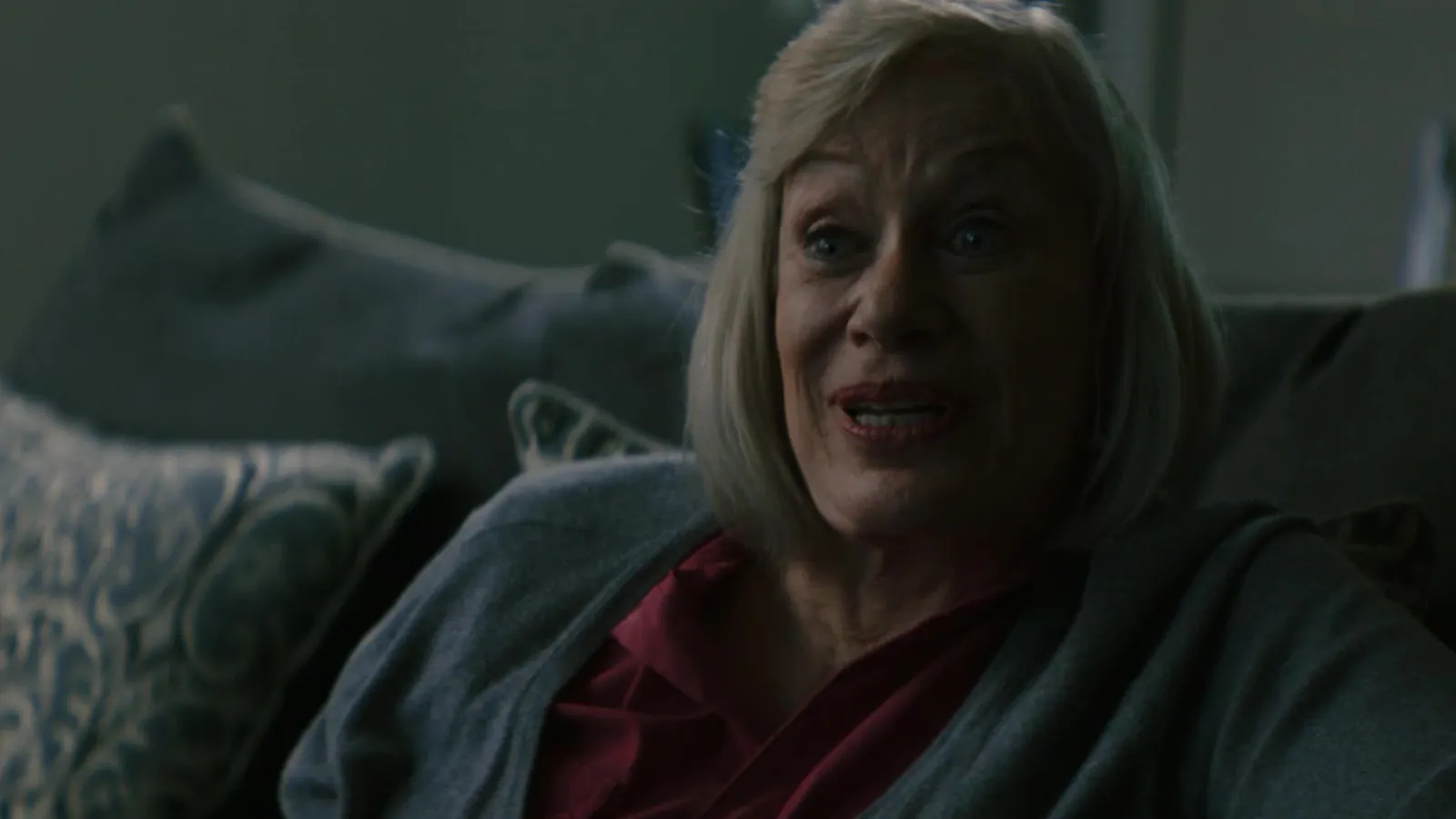
Q&A: Joseph A. Mazzaferro on The Box in the Attic
Ellie doesn't return home to grieve. She returns conflicted. A sealed box, a dead mother, and a haunting rooted not in the supernatural but in guilt.
By Relay · Wednesday, May 6, 2026 · 4 min read
Ellie doesn't return home to grieve. She returns conflicted. There's anger, guilt, relief, and unresolved trauma all tangled together, and a sealed box in her dead mother's attic waiting for her to make a choice.
The Box in the Attic is a horror film about what gets passed down.
We talked to writer-director Joseph A. Mazzaferro about inheritance as a source of terror, negative space in a 2.35:1 frame, and the confession scene that makes everything else matter.
Where it started
Where did The Box in the Attic begin for you: the sealed box, the childhood home, the estranged mother, or the family secret?
It honestly started with the relationship, the estranged mother and daughter. The box came after. I was interested in unresolved resentment, that feeling of never getting closure with a parent, and what happens when that person is suddenly gone. The box became the physical manifestation of everything that was left unsaid and buried. Once that clicked, the house and the family secret naturally grew around it.
Grief as a horror entry point
The film starts with Ellie returning home after her mother's death. Why was grief the right doorway into this story?
Grief puts you in a vulnerable, reflective state. You're already confronting the past whether you want to or not. For Ellie, she's not just grieving. She's conflicted. There's anger, guilt, relief, and unresolved trauma all mixed together. That emotional instability makes her the perfect entry point into horror, because the audience is constantly questioning: is this external, or is this coming from her?
What the box represents
The box is such a classic horror object. What did you want it to represent?
The box represents inheritance, but not in a positive sense. It's the idea that trauma, secrets, and even consequences can be passed down just like heirlooms. It also represents temptation. Ellie isn't forced to open it. She chooses to. That decision is everything. The wax seal, the rules, the warnings, they're all there, and she breaks them anyway. So the box becomes both a prison and a test of character.
Supernatural and personal
Ellie is described as troubled and connected to a deadly secret of her own. How did you make the horror both supernatural and personal?
The key was making sure the supernatural never overshadows her guilt. It amplifies it. The dybbuk isn't random. It's tied to what she's done. When she admits she killed her mother, the film shifts. Now the horror isn't just happening to her, it's reacting because of her. That's what makes it personal. The haunting feels earned.
Inheritance as terror
The film deals with family legacy, buried trauma, and generational inheritance. What interested you about turning inheritance into a source of terror?
Because inheritance isn't always money or property. It can be damage. It can be cycles of behavior, resentment, or emotional neglect. In this story, that idea is taken literally. The mother doesn't just pass something down. She sets a trap. It flips the expectation of legacy into something weaponized. That felt both tragic and terrifying.
Designing the entities
The entities are tied to the family's dark past. How did you think about revealing them without losing the mystery?
I wanted them to feel present before they're ever clearly seen. POV shots, subtle movement, environmental reactions: doors, lights, sounds. When we do get glimpses, it's fragmented. Hands, shadows, reflections, the drawing from Samantha. Even when Disha explains them, it's still abstract enough that the audience fills in the gaps. The unknown is always scarier than a full reveal.
The childhood home
What makes familiar domestic spaces so effective for horror?
Because they're supposed to be safe. A childhood home especially carries memory, good and bad. Every room has history. So when things start to feel off, it's not just scary, it's invasive. You're corrupting something familiar. In Ellie's case, she already never felt at home there, so the house becoming hostile feels like an extension of her past rather than a new threat.
The 2.35:1 frame
The film uses a 2.35:1 aspect ratio. How did that shape the way you built tension?
That wider frame lets you play with negative space. You can keep Ellie in one part of the frame while leaving a lot of empty space around her, space the audience starts to search. It's perfect for slow-burn tension. You're not just watching her. You're scanning the environment, waiting for something to move or appear. It turns the house itself into a character.
The hardest scene
What was the hardest scare, reveal, or emotional scene to get right?
The confession scene, when Ellie admits she killed her mother. That's the moment everything reframes. If that doesn't land emotionally, the rest of the film loses weight. It had to feel real, not melodramatic. On the horror side, the balance of the entities, showing just enough without overexposing them, was a constant challenge.
Before you press play
For someone discovering The Box in the Attic on Relay, what would you want them to know?
Go in expecting more than just a haunted object story. It's really about guilt, consequence, and the things we try to bury. The horror builds, but it's rooted in character. And pay attention. There are clues early on that mean a lot more once everything unfolds.
The Box in the Attic
Joseph A. Mazzaferro · 2026 · 73 min
Streaming now on Relay.