Movie Spotlight: The Family Dirt
Gianni McLaughlin on The Family Dirt, a short film born from a grandfather's death and a backyard tomato garden, about keeping a tradition alive across an impossible distance.
By Relay · Wednesday, May 20, 2026 · 3 min read
After his grandfather passed, Gianni McLaughlin knew the tomato tradition was ending. Every year of his life, they had grown them together in the backyard. The house was sold. There would be no more planting. So he made a film instead.
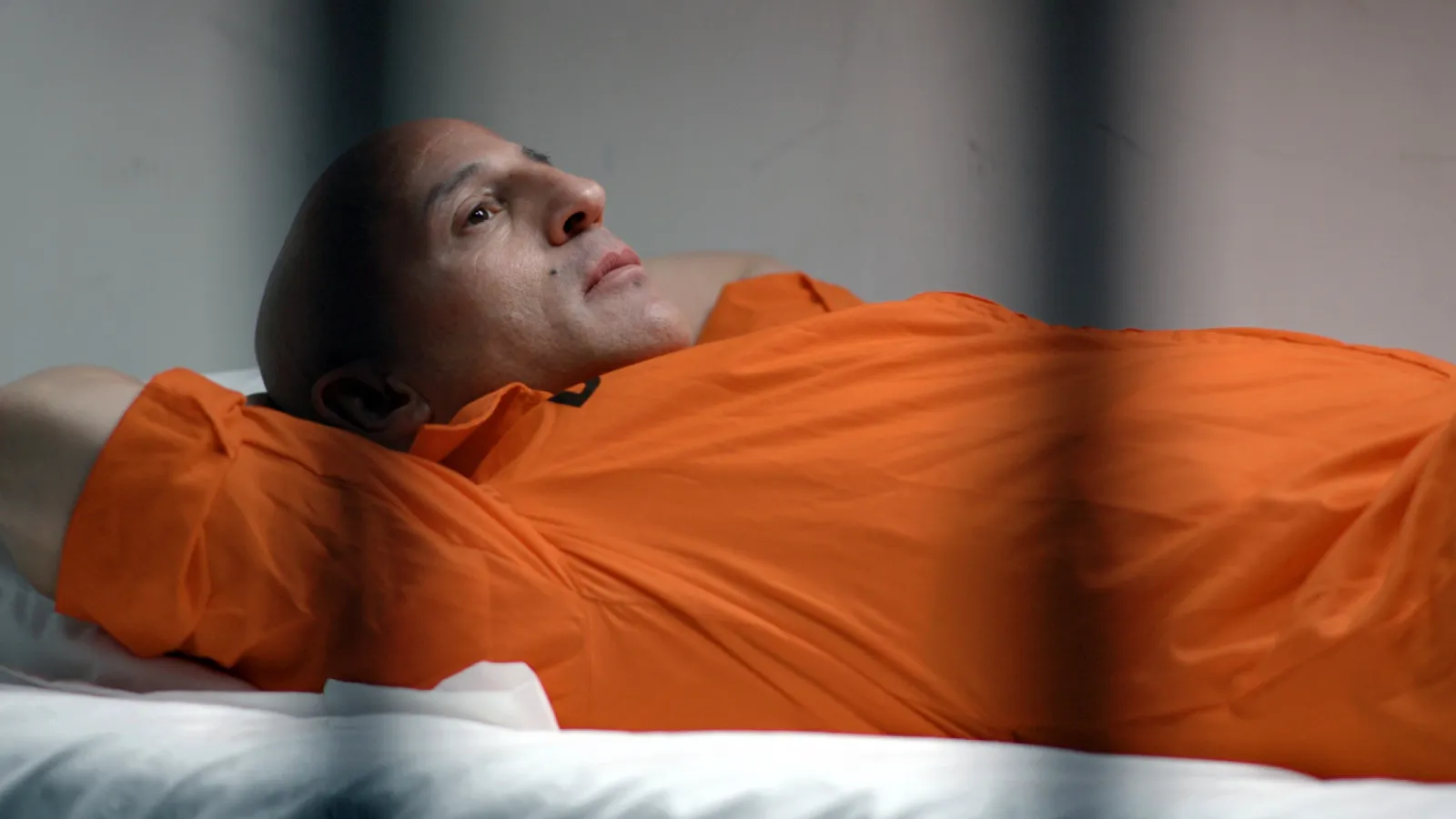
The Family Dirt was written, produced, and directed by McLaughlin alongside Milly-May McLaughlin. It’s a short film about a father, his son Anthony Jr., and the annual ritual of the tomato garden that connects them across an impossible distance. Anthony Jr. can’t be there to dig. He’s in federal prison. So he does the only thing he can: he spills the family dirt to keep the tradition alive.
Where it came from
“We made this movie to immortalize our backyard and our tradition forever,” McLaughlin says. The film began in grief, and the subject is simple: what do you do with a ritual when the person who shared it is gone? The answer he found was to carry it forward anyway, in whatever form was possible. The prison setting and the family secret weren’t the starting point. The tomatoes were.
The double meaning in the title
The dirt is literal and figurative. The family grows things in it. The family also has secrets buried in it. “There is a nuance,” McLaughlin says: since Anthony Jr. cannot help his father plant in person, he digs up the metaphorical kind instead. What connects them isn’t geography, it’s the willingness to give something of themselves to keep the tradition going.
Show, don’t tell
McLaughlin and Milly-May McLaughlin made a deliberate choice about how to tell it. “We wanted to convey the story with as little dialogue as possible,” he says. The film shows rather than explains. It also mirrors the separation at the center of the story: two people who can’t be in the same place, reaching toward each other through ritual.
How the tone shifted
The original intention was comedy. Pure comedy. But something happened during filming and editing. “The seriousness and love between the father and son emerged on their own,” McLaughlin says. “Like magic.” Nobody planned for the emotional weight. It arrived. The film became something more layered than anyone intended it to be, and that turned out to be exactly right.
Lillo
The father was written for one person. “Lillo embodied the character,” McLaughlin says. “It was written for him. We had him in mind while writing the script.” The performance, once it arrived, took the film to another level. It’s what happens when a part finds the right person and the right person lives in it.
What the film is really about
McLaughlin’s framing of it: “The film explores how inheritance is not just what is passed down physically, but emotionally and spiritually. The question became: when distance, conflict, or life itself gets in the way, what keeps a family connected? For us, the answer was loyalty, not obligation. Because real tradition stays alive when people choose to carry it forward.”
There’s also a word he keeps returning to. Arangasi. Italian. It means making the best out of nothing. Against every obstacle, there is still a way.
What to know before you press play
“It is funny, witty, and charming,” McLaughlin says. “It makes you feel good at the end.” The last thing he wants anyone to know: “This film was made with love and was meant to make you feel.”
The Family Dirt
Gianni McLaughlin · 2026 · 10 min
Streaming now on Relay.