Q&A: Joey Stewart on The Final
Director Joey Stewart on the film he made 15 years ago about bullied teenagers, and why younger viewers keep finding it.
By Relay · Wednesday, April 29, 2026 · 3 min read
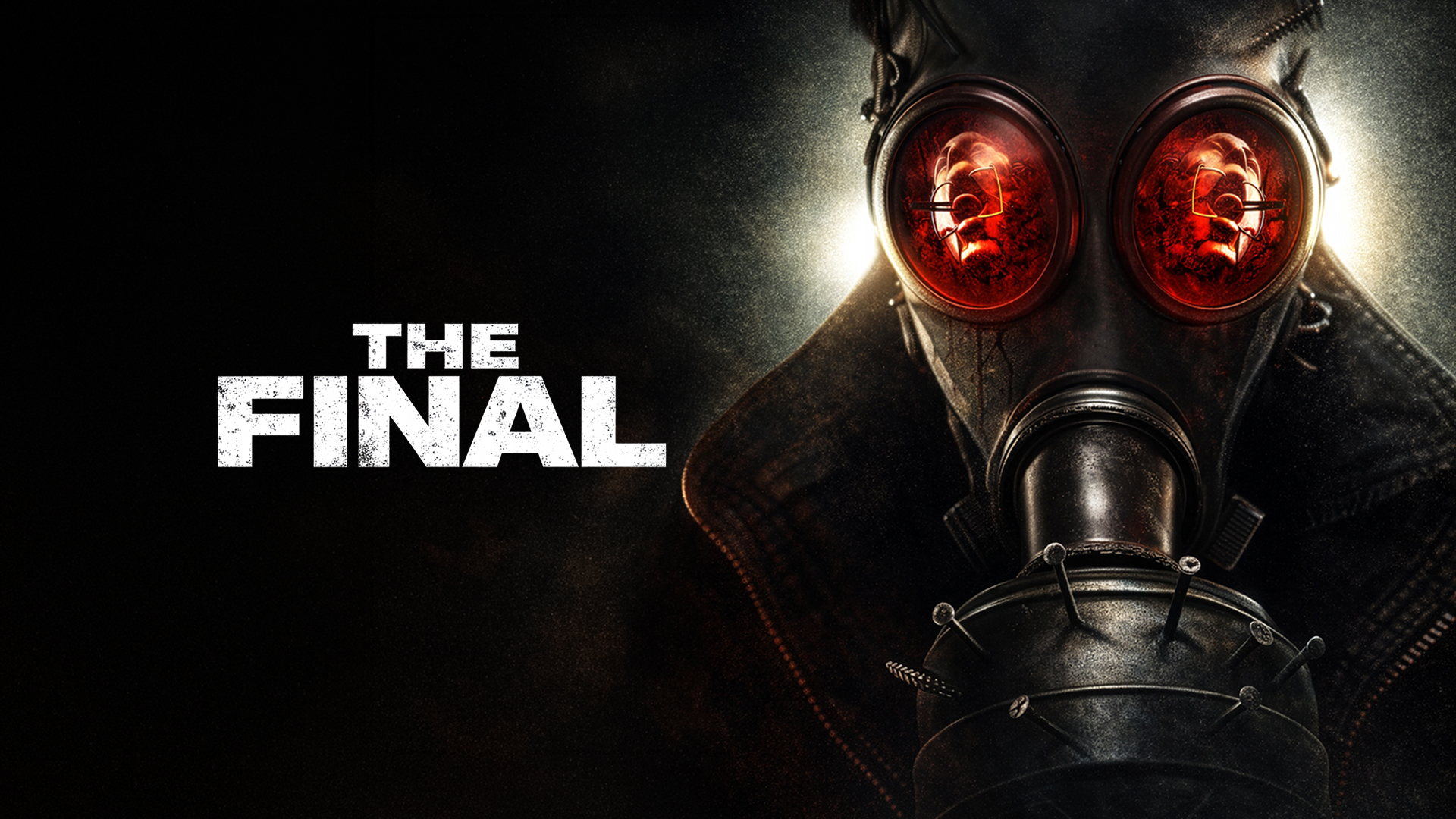
The Final came out in 2010. A group of bullied high school students drugs and chains their tormentors at an isolated house. What follows is brutal, deliberately so. The film ran during After Dark Horrorfest, split audiences down the middle, and spent the next fifteen years quietly building an audience on streaming. Director Joey Stewart sat down with us to talk about what he was actually trying to make, and why younger viewers keep finding it.
Nearly 15 years later, what do you think the film understood about bullying and social alienation that still feels relevant?
With the continued school shootings and violence, I think it is even more relevant now. The film was committed to understanding the desperation students feel when they are bullied. More than a revenge story, these characters are making a kind of suicide pact. They are not trying to win. They just want their tormentors to live with what they have done and face the consequences.
The film takes an extreme horror approach to the subject. How did you think about walking the line between exploitation, catharsis, and social commentary?
We thought about that a lot. We were not interested in violence for its own sake. We wanted it to serve something deeper. At the same time, we did not want to tell the audience what to think. People have reacted in completely different ways, from hating it to calling it one of their favorites. That range is the point. We leave the meaning up to them.
Dane is not written as a simple victim or a simple villain. What did you want audiences to feel about him by the end?
We wanted him to feel real. He is conflicted, hypocritical, and desperate, but ultimately human. People who might otherwise be good can do terrible things when they lose their sense of self or the value of life. By the end, whether you agree with him or not, you should feel some level of empathy.
The psychological horror may be even more disturbing than the violence. Was that always the intent?
Yes. We knew early on the film needed to work psychologically. The goal was not just to show physical pain, but to get inside the characters' heads and make the audience sit with it. That discomfort is where the film really lives.
The film has had a long life on streaming and AVOD. Why do you think viewers keep finding it?
Because the situation has not gone away. What these characters are dealing with still exists, and in some ways it has gotten worse. When people find the film, especially younger viewers, they recognize that world immediately.
The film has always been polarizing. Do you see that divisiveness as part of its identity?
I do. A lot of films clearly define good and evil. We did not do that. In The Final, the roles shift. The tormentors become the tormented. That makes people uncomfortable, but it is also closer to real life. We are all more complicated than that.
If you were making it today, in a very different cultural conversation around bullying and teen mental health, what would you approach differently?
I would probably lean more into the online world. Back then, bullying was mostly limited to people you knew, like school or your neighborhood. Now it can come from anywhere, and it never really stops. That scale changes everything.
For someone discovering the film for the first time on Relay, what would you want them to know before pressing play?
The film is not trying to give answers. It is simply telling a story. What it means, and how far you go with it, is up to you.
 Documentary
The Final Resolution
Brian Ronalds · 2016 · 60 min
Streaming now on Relay.