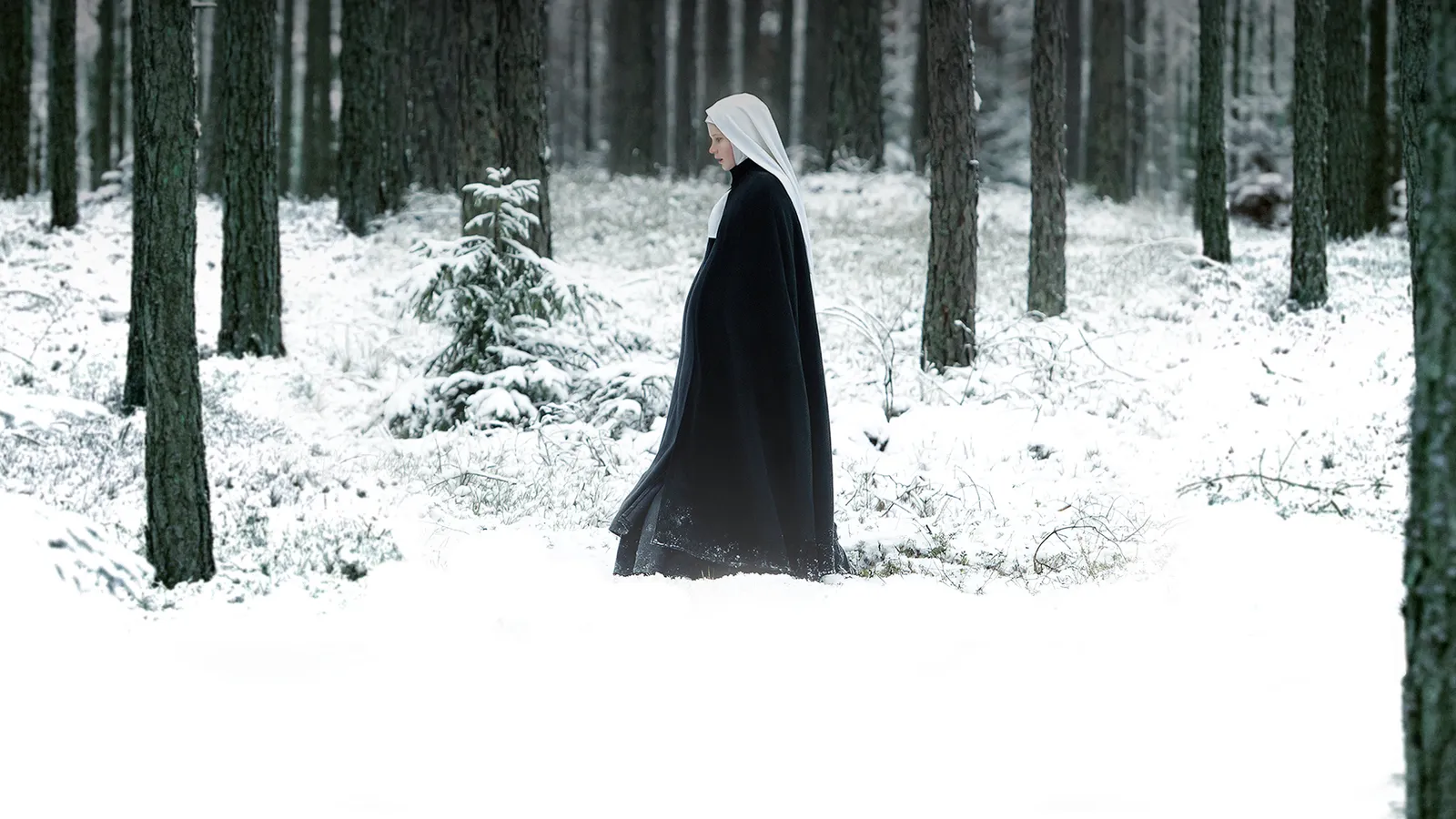
A Red Cross doctor's 1945 diary became a César-nominated film
The Innocents (2016) comes from a French doctor's private diary of Poland in 1945. It earned four César nominations.
By Relay, Movie Spotlight · Friday, November 6, 2026 · 2 min read
The Innocents was made in 2016 by Anne Fontaine, a French director, and it is built on a real diary. Madeleine Pauliac was a French Red Cross doctor who worked in Warsaw in 1945, and what she wrote down about one convent stayed in private family papers until her nephew tried to turn it into a film. The result was nominated for four César Awards, the French national film prizes.
The story is set in December 1945, in a Poland still under Soviet occupation. Mathilde Beaulieu, a young Red Cross doctor played by Lou de Laâge, is asked to help at a Benedictine convent. She finds that Soviet soldiers had raped nuns there and that several are pregnant. Exposure could bring shame and likely close the convent, so the sisters cannot safely see Polish doctors. The sisters' silence is part of what she has to overcome. The film renames Pauliac as Mathilde.
It is a war film with no battle in it. The war has ended, and the film is about what the people left behind have to carry, and who is able to help them. It is told through a woman doctor and a community of women, and Relay files it under women filmmakers.
Who was the doctor behind the diary?
Pauliac was born in 1912 in Villeneuve-sur-Lot, and joined the Resistance during the Occupation. After the Liberation she went east: she led the French Red Cross hospital in Warsaw and its mission to bring French nationals home. With the Blue Squadron, a unit of women ambulance volunteers, she made more than 200 missions across Poland and the Soviet Union.
She died on 13 February 1946, aged 33, in a car accident near Warsaw.
How did a private diary reach the screen?
Her nephew, Philippe Maynial, received the diary from his mother. He said he spent four or five years trying to turn it into a film. Eventually he met the producers Eric and Nicolas Altmayer, who invited Fontaine to lunch to hear the story. She researched it further and went on to share the screenplay credit with Pascal Bonitzer, a French screenwriter, and others.
Fontaine has said that when she visited the Polish town where the events took place, no one there had heard of them, according to the French site Cineserie. That is the quiet reason the film matters: it took an episode that lived in a family's papers and gave it to a wide audience.
How was it made?
Filming began on 13 January 2015 in Poland. Fontaine asked to shoot in real religious buildings, but the religious authorities refused, Cineserie reports. The crew instead renovated a disused convent that a local priest rented out for film projects.
The film premiered at the Sundance Film Festival on 26 January 2016 and opened in France on 10 February 2016. At the 42nd César Awards it was nominated for Best Film, Best Director for Fontaine, Best Original Screenplay, and Best Cinematography for Caroline Champetier, the cinematographer who shot it.
Who is it for?
It suits viewers who want a war story about the aftermath, and those drawn to period dramas where faith and medicine collide. It is serious and often hard to watch, and it runs 115 minutes, with subtitles.
The Innocents
Anne Fontaine · 2016 · 115 min