The theater owners who signed Chaplin and built Warner's studio
First National, founded by theater owners in 1917, signed Charlie Chaplin and built the Burbank studio Warner Bros. took over.
By Relay, Distributor Spotlight · Friday, November 20, 2026 · 4 min read
First National was a film company founded in 1917 by theater owners, and it signed Charlie Chaplin and built the studio that Warner Bros. still calls home. Thomas L. Tally, a Los Angeles theater owner, and J. D. Williams toured the country selling one idea, summed up in the slogan "Let the exhibitors own production". Exhibitors, the people who ran the cinemas, would pay for and release films of their own.
The idea spread quickly. Adolph Zukor, the head of Paramount, answered by buying cinemas himself from 1919, and by 1925 Paramount had 1,200 theaters. Relay's catalog credits First National on 18 films, made from 1921 to 1930. Eight of them are below.
How did theater owners end up running a studio?
The circuit began with independent exhibitors pooling their money. In June 1917 Chaplin signed with First National to make 8 films, for a fee reported at about $1 million. Mary Pickford, the silent film star, signed in 1918, and the two deals have been described as the first million-dollar contracts in film.
The company also made its own pictures, among them The Lost World in 1925, a dinosaur film from Arthur Conan Doyle's novel. Its stop-motion effects were by Willis O'Brien, who went on to animate King Kong.
What happened to First National?
First National built a studio on a large lot in Burbank, California. In autumn 1928 Warner Bros., flush with money from its sound hits such as The Jazz Singer, took control of the company, and on 4 November 1929 it absorbed it completely. Warner moved its main production to the Burbank lot, which is still the home of Warner Bros.
The First National name kept appearing on Warner films into the 1930s. Little Caesar, the 1931 gangster film, was released as a First National picture.
Which First National films are on Relay?
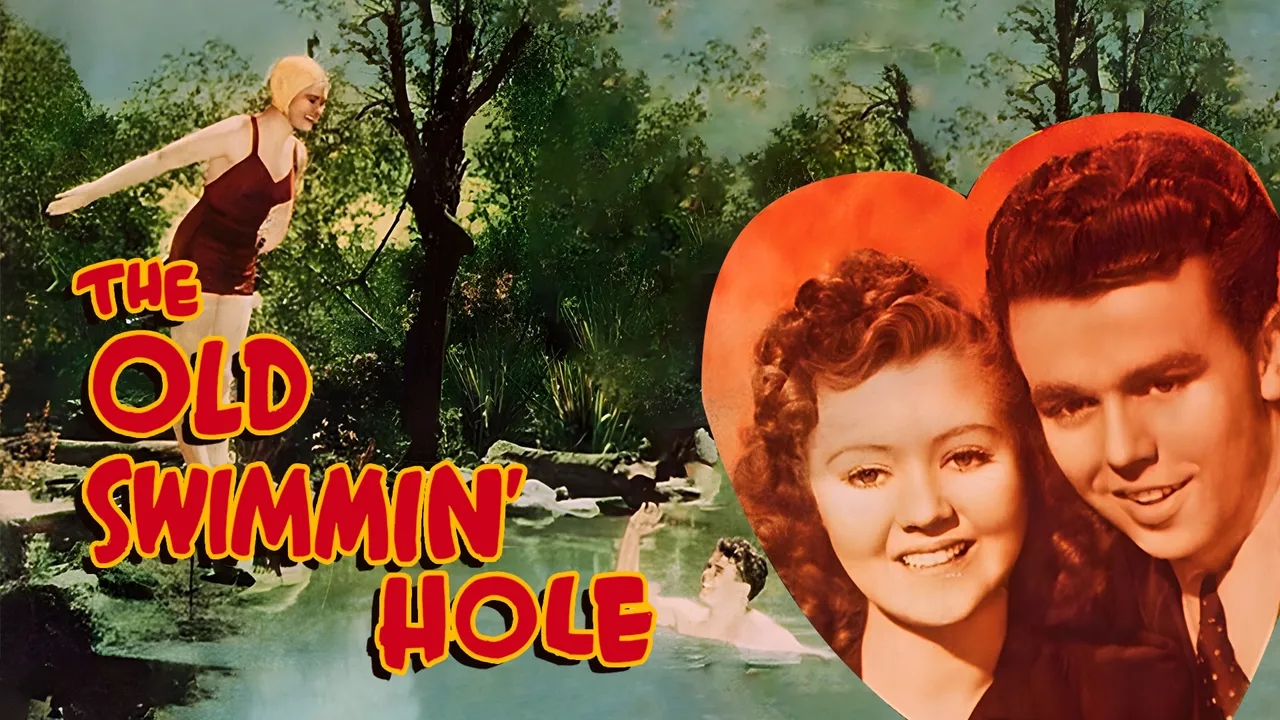
The Old Swimmin' Hole (1921)
Charles Ray, a star who had left Paramount after a pay dispute with Zukor, made this with his own company and released it through First National. It is based on a poem by James Whitcomb Riley about boyhood in the country. The film has no intertitles, the printed cards of dialogue and narration that silent films cut to. Photoplay's critic opened his May 1921 review by saying readers kept telling him the perfect picture would have no titles at all.
 Comedy
The Old Swimmin' Hole
Joseph De Grasse · 1921 · 59 min
Winds of Chance (1925)
Frank Lloyd, a director who later won Best Director Oscars for The Divine Lady and Cavalcade, produced and directed this Klondike gold rush story from Rex Beach's 1918 novel. A set of 1897 Dawson City was built in Truckee, California. Lloyd's family, who restored the film, say the outdoor scenes were shot in such cold that the actors' breath shows on screen.
Winds of Chance
Frank Lloyd · 1925 · 107 min
Lilac Time (1928)
Colleen Moore, reportedly paid $12,500 a week at First National, plays a French farmer's daughter who falls for one of the English pilots billeted on the farm, played by Gary Cooper early in his career. It cost about $1 million, when a typical prestige picture cost about $250,000. About 20 pilots who had flown in the First World War did the stunts, 7 planes were destroyed, and the stunt pilot Frank Baker was killed during production.
It came out with a music score and sound effects but no dialogue. According to TCM, First National wanted it to be the studio's first talkie, and Moore's husband and producer, John McCormick, told her to say no.
Lilac Time
George Fitzmaurice · 1928 · 92 min
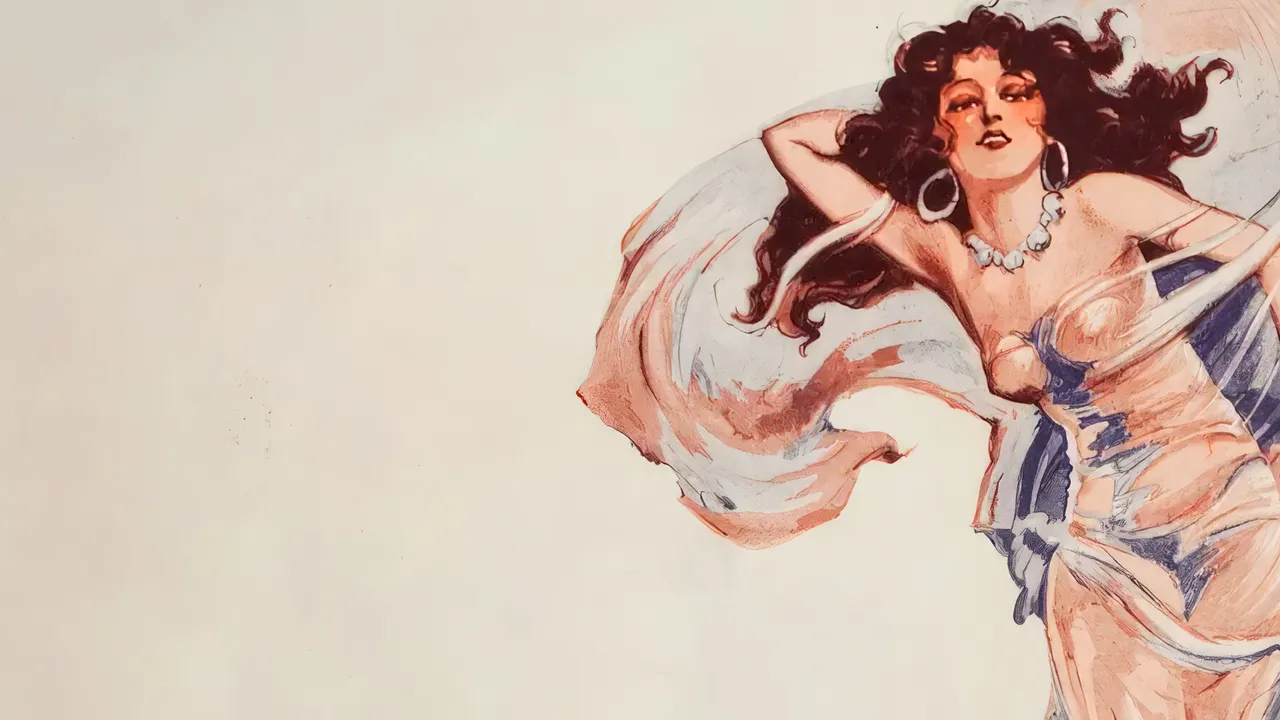
The Squall (1929)
Alexander Korda, a Hungarian director who later founded London Films, made this under his First National contract. Myrna Loy plays Nubi, a Romani girl who talks her way into a farming family's home, claiming to be escaping the Gypsies who kidnapped her, and bewitches the men of the household. It was Loy's most memorable "vamp" role, TCM writes, the seductive woman who wrecks the men around her, a type she played until The Thin Man in 1934 changed her image. According to Korda's biographer Karol Kulik, it was shot at night, because Warner Bros. used the lot's only sound stage during the day.
 Drama
The Squall
Alexander Korda · 1929 · 102 min
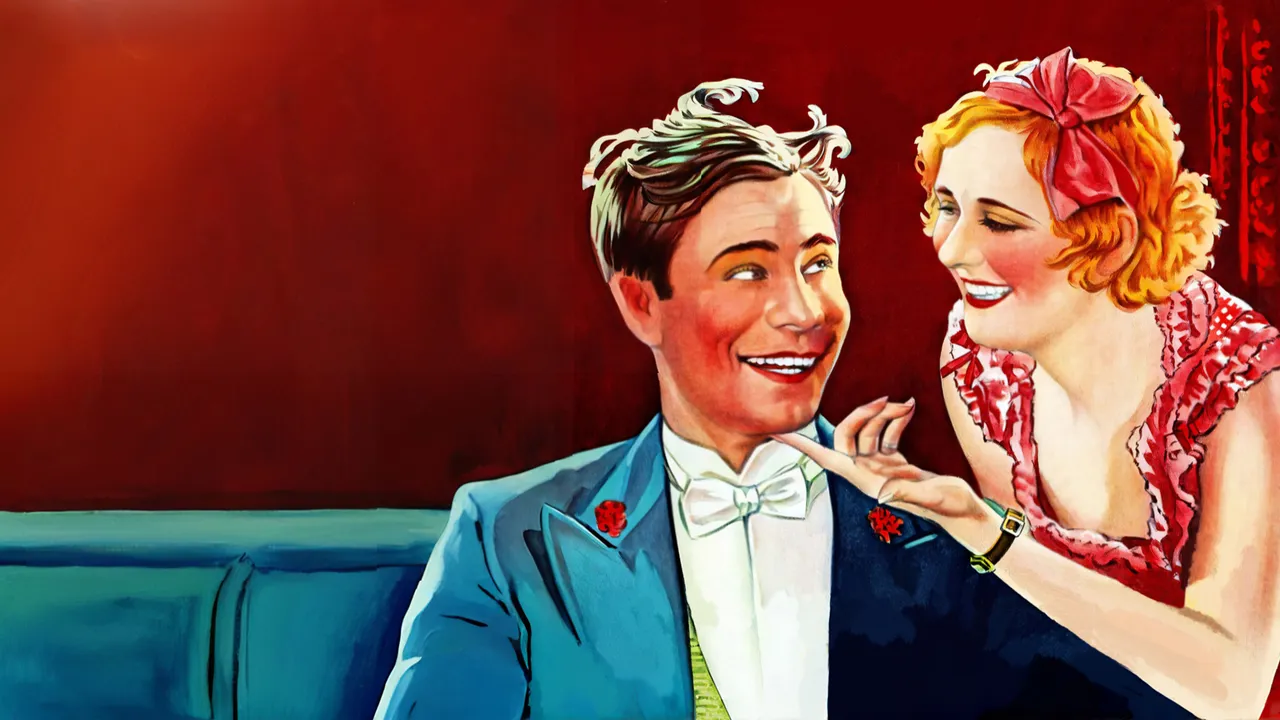
Sally (1929)
Marilyn Miller, a Broadway musical comedy star, repeats her stage role as an orphaned waitress who dreams of dancing, to songs by the Broadway composer Jerome Kern. It was the first of her three films, and it was shot in two-strip Technicolor, an early color process. Today it survives mostly in black and white: the "Wild Rose" number is in color, and in 2018 the BFI announced it had found more color fragments on old reels of another film.
 Musical/Dance
Sally
John Francis Dillon · 1929 · 100 min
Son of the Gods (1930)
Richard Barthelmess, who had played a Chinese immigrant in D. W. Griffith's Broken Blossoms (1919), plays Sam Lee, the son of a wealthy Chinese merchant, who passes as white. Constance Bennett plays the woman who turns on him when she learns his family. Modern reviewers call its stand against racism uneven, but rare for 1930.
Son of the Gods
Frank Lloyd · 1930 · 90 min
The Dawn Patrol (1930)
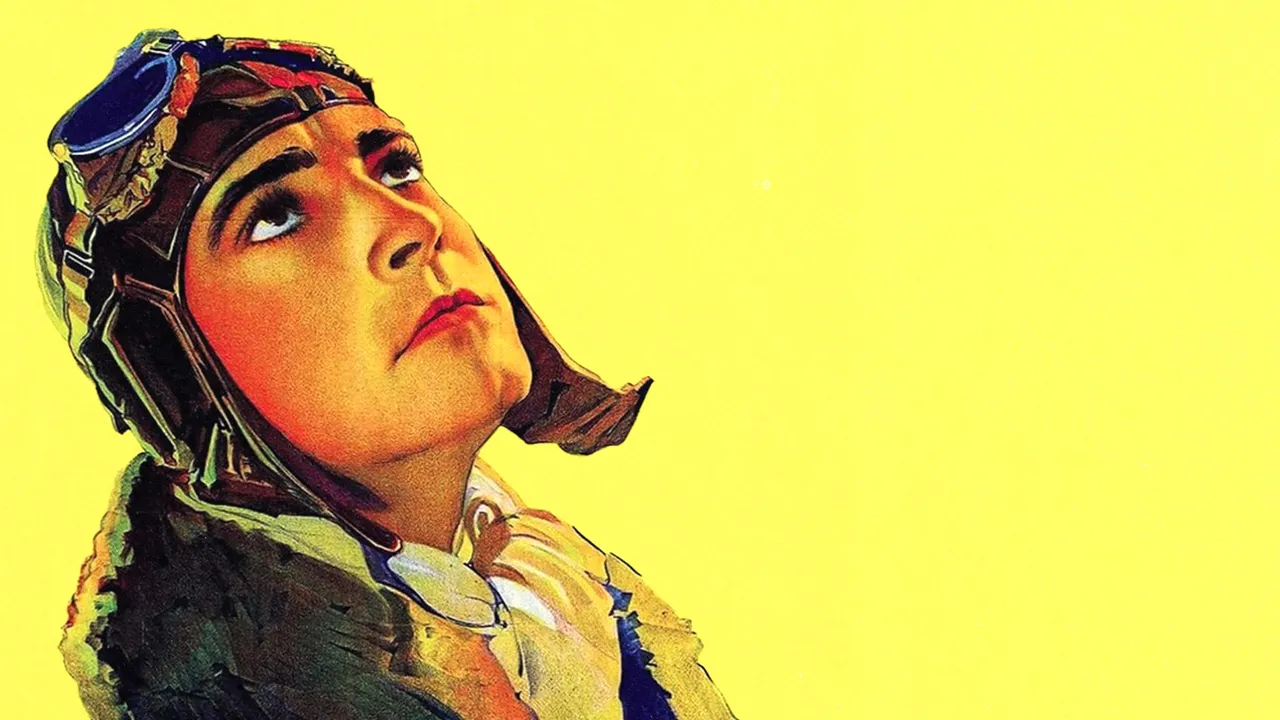
Howard Hawks directed Barthelmess and Douglas Fairbanks Jr. as pilots of the First World War, and played an uncredited German pilot himself. John Monk Saunders won the Academy Award for Best Original Story. In 1938 Warner Bros. remade it with Errol Flynn and David Niven, reusing much of the aerial footage, and the original was retitled Flight Commander, the name it carried on television.
 War
The Dawn Patrol
Howard Hawks · 1930 · 108 min
The Widow from Chicago (1930)
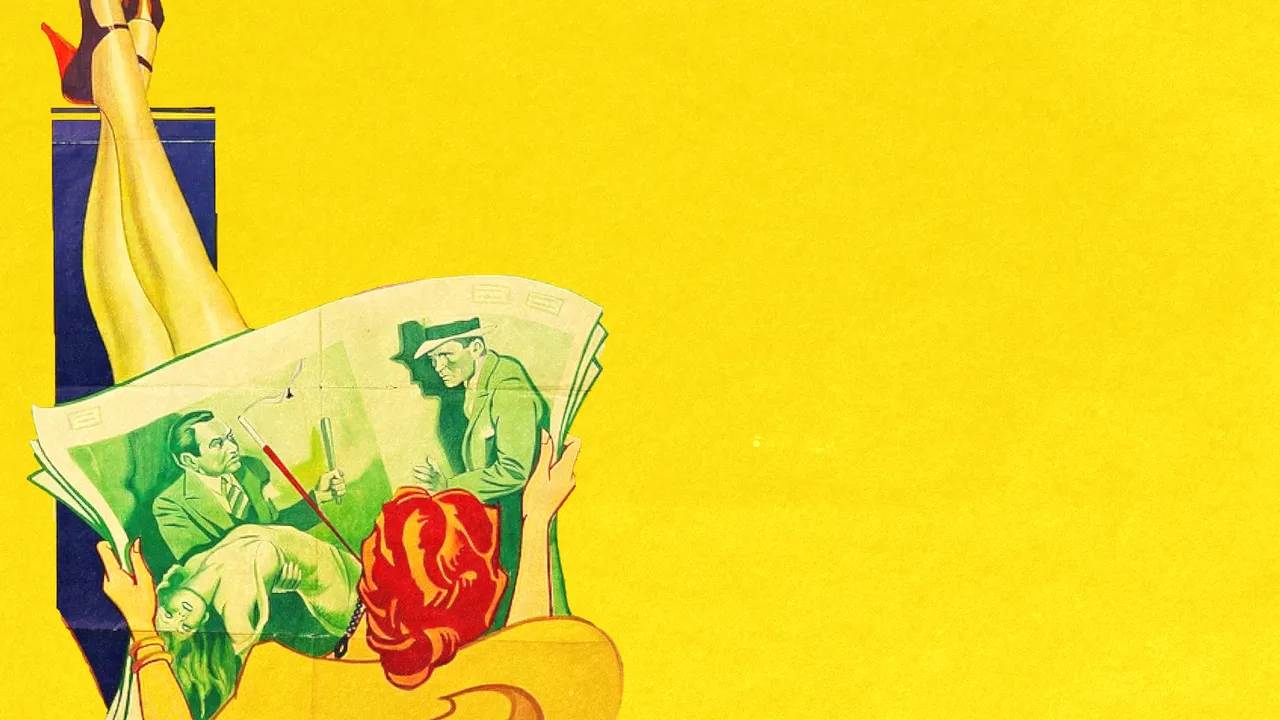
Alice White plays Polly, the sister of a murdered detective, who poses as a gangster's widow to get inside the mob. Edward G. Robinson plays the gangster Dominic in his first role for First National, released about two months before Little Caesar made him a star.
 Crime
The Widow from Chicago
Edward F. Cline · 1930 · 62 min
Where to go next
- For the company Chaplin and Pickford started for themselves, see United Artists.
- For another silent studio whose name lived on in a merger, see Fox Film Corporation.
- For the studio a radio company built in the same years, see RKO Radio Pictures.