Why Chaplin and Pickford started their own film company
In 1919, Chaplin, Pickford, Fairbanks and director D. W. Griffith founded United Artists to control how their films were sold.
By Relay, Distributor Spotlight · Thursday, October 15, 2026 · 2 min read
United Artists was a film distributor founded in 1919 by the actors Mary Pickford, Charlie Chaplin and Douglas Fairbanks and the director D. W. Griffith, and it put filmmakers in charge of selling their own work. The four founders wanted control over how their own pictures were marketed. The company never owned a studio or kept actors and directors under contract. It sold films made by independent producers.
At the time, studios forced theaters to book films in bundles, sight unseen. United Artists banned that practice, so each film had to succeed on its own merits. Richard Rowland, head of Metro Pictures, is credited with answering the news by saying the lunatics had taken charge of the asylum, though the earliest source for the line is a book from 1926.
Relay carries more than 130 films that the AFI Catalog lists as United Artists releases, from 1919 to 1975.
How did a distributor with no studio survive?
Producers made their own films and United Artists sold them. The New York Times later described the missing studio as an earlier handicap that became a plus in the 1950's and 1960's, when the company paid no studio overhead while on-location filmmaking spread.
What did the four founders release?
Broken Blossoms (1919)
Griffith had planned to release it through Famous Players-Lasky, then bought it back and went through United Artists instead. In it, Lillian Gish pushes her lips into a smile with two fingers at her abusive father's order, a gesture tied to her for life. The Library of Congress added it to its National Film Registry.
Broken Blossoms
D.W. Griffith · 1919 · 89 min
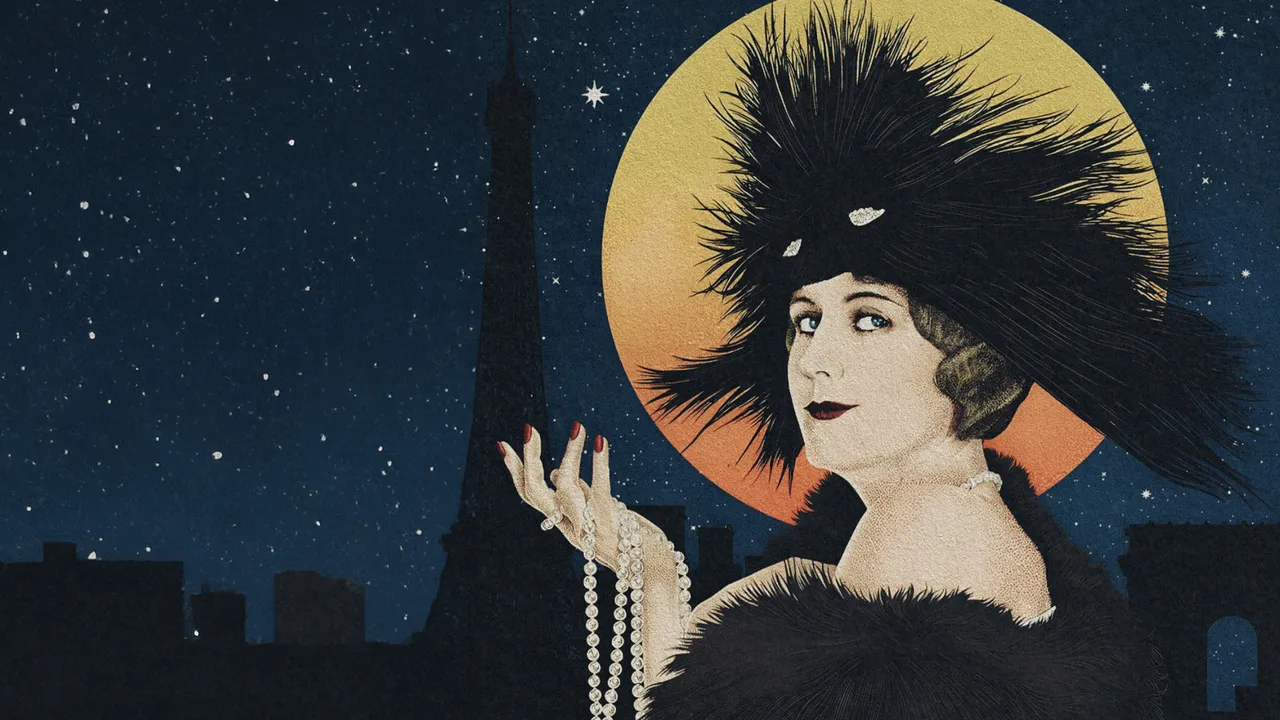
A Woman of Paris (1923)
Chaplin wrote, produced and directed it, and trade journals called it his first serious film. He insisted he would not act, and appears only as a station porter whose luggage hides his face. Ohio censors banned it.
 Drama
DramaA Woman of Paris
Charles Chaplin · 1923 · 81 min
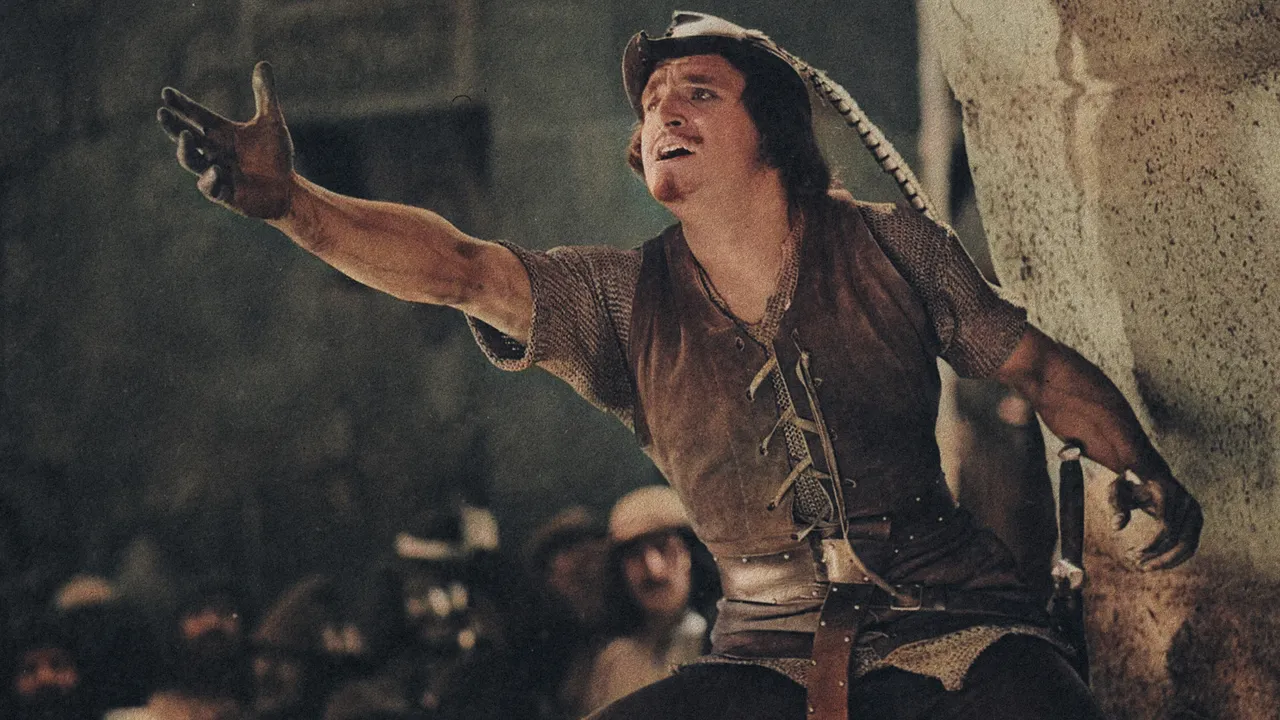
Robin Hood (1922)
Fairbanks starred in this version, directed by Allan Dwan, with a full-scale castle and village built for it. It was the opening attraction at Grauman's Egyptian Theatre in Hollywood, and a film yearbook named it one of the year's Ten Best.
 Action/Adventure
Robin Hood
Allan Dwan · 1922 · 133 min
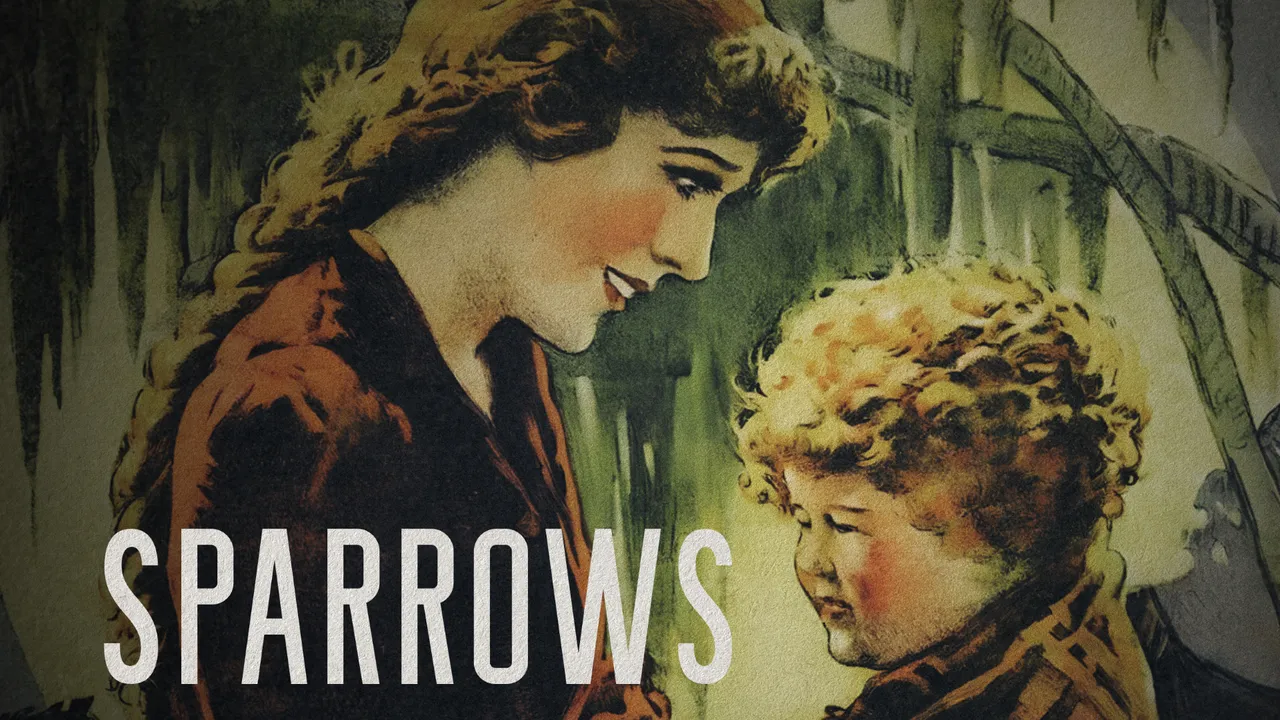
Sparrows (1926)
Pickford, described by the San Francisco Silent Film Festival as the most famous and powerful woman in the film business of the silent era, produced and starred in it. She later said a swamp scene was rehearsed with real alligators. Her cinematographer Hal Mohr said there was not an alligator within ten miles of her.
 Drama
DramaSparrows
William Beaudine · 1926 · 92 min
Did the model outlast the founders?
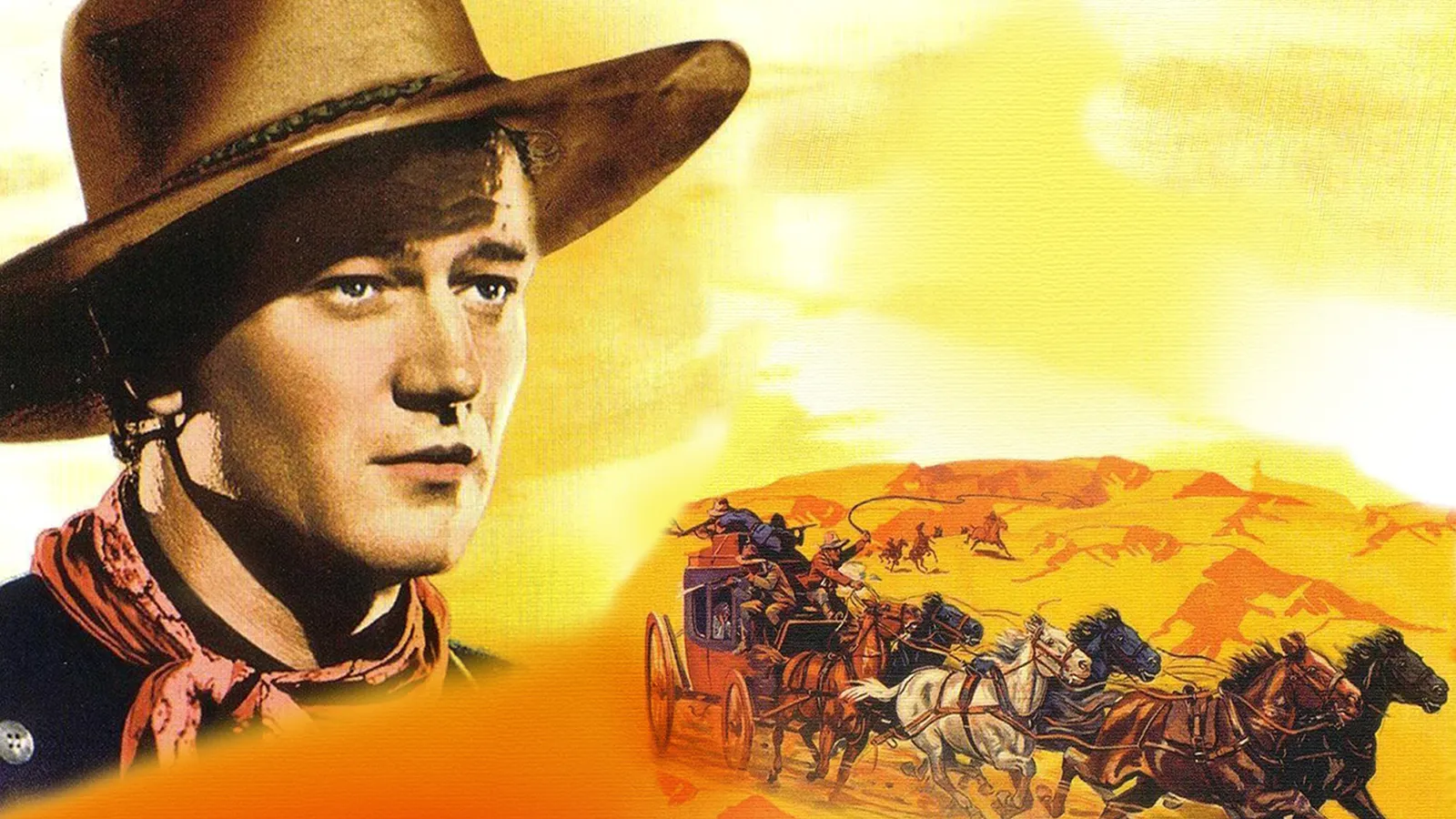
Stagecoach (1939)
John Ford, the Western director, pitched it to several major studios without success. It was made instead as an independent production by the producer Walter Wanger and released by United Artists. John Wayne, the actor, was borrowed from Republic, which the New York Times said had never before loaned a star to a major lot. It was Ford's first picture shot in Monument Valley, Utah, and the Library of Congress calls it one of the all-time great Westerns.
Stagecoach
John Ford · 1939 · 96 min
Where to go next
- For more from the same era, see Silent Films.
- For another studio that sold films it did not always make, see Republic Pictures.