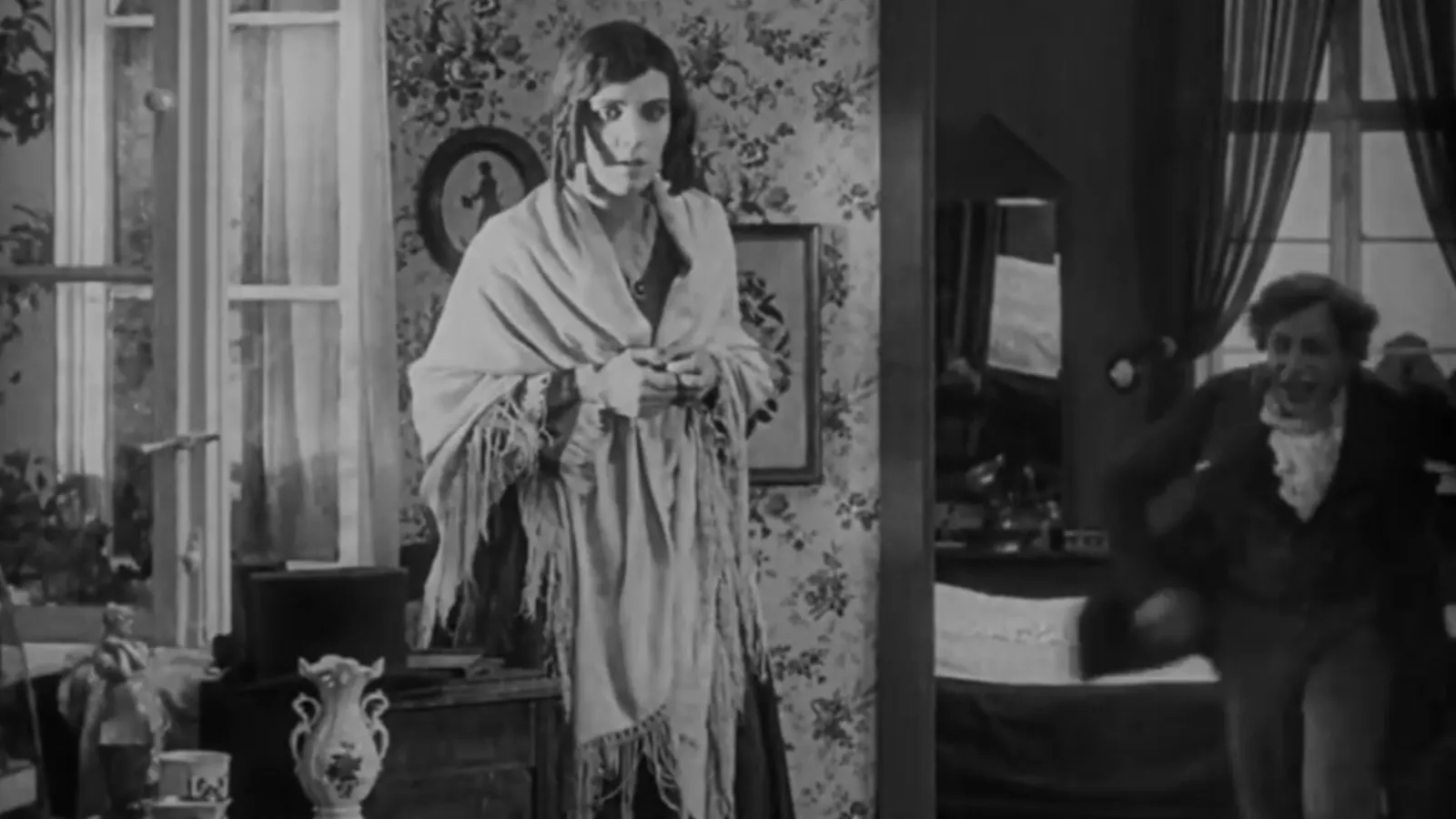
Silent films: 8 survivors from a mostly lost era
A 2013 Library of Congress study found 70% of American silent features are lost. These eight survived, and still play.
By Relay, Watch Guide · Sunday, October 11, 2026 · 4 min read
A silent film is a film made without recorded dialogue, and in theaters it was never silent. It played with live music, from a lone pianist to a full orchestra. The story lived in faces, bodies, title cards and the camera itself.
Most of them are gone. A 2013 Library of Congress study found that 70% of American silent features are believed completely lost, and only 14% survive in their original 35mm form. Synchronized sound took over in the late 1920s, and Hollywood had largely stopped making silents by about 1929.
This list covers eight that survived, from 1921 to 1927. Each one got through a lawsuit, a flop, a broken bone or a bad review.
Which silent films survived?
The Kid (1921)
Charlie Chaplin wrote, produced, directed and starred in his first feature, and fought to keep it one. First National wanted to release it as three two-reel comedies. Chaplin's firstborn son had died as an infant ten days before production began, and author Dan Kamin has connected that loss to the film's tenderness.
It made Jackie Coogan, a vaudeville kid, the first major child star of the movies. Coogan later lost his earnings, and California's child actor protection law is still known as the Coogan Act.
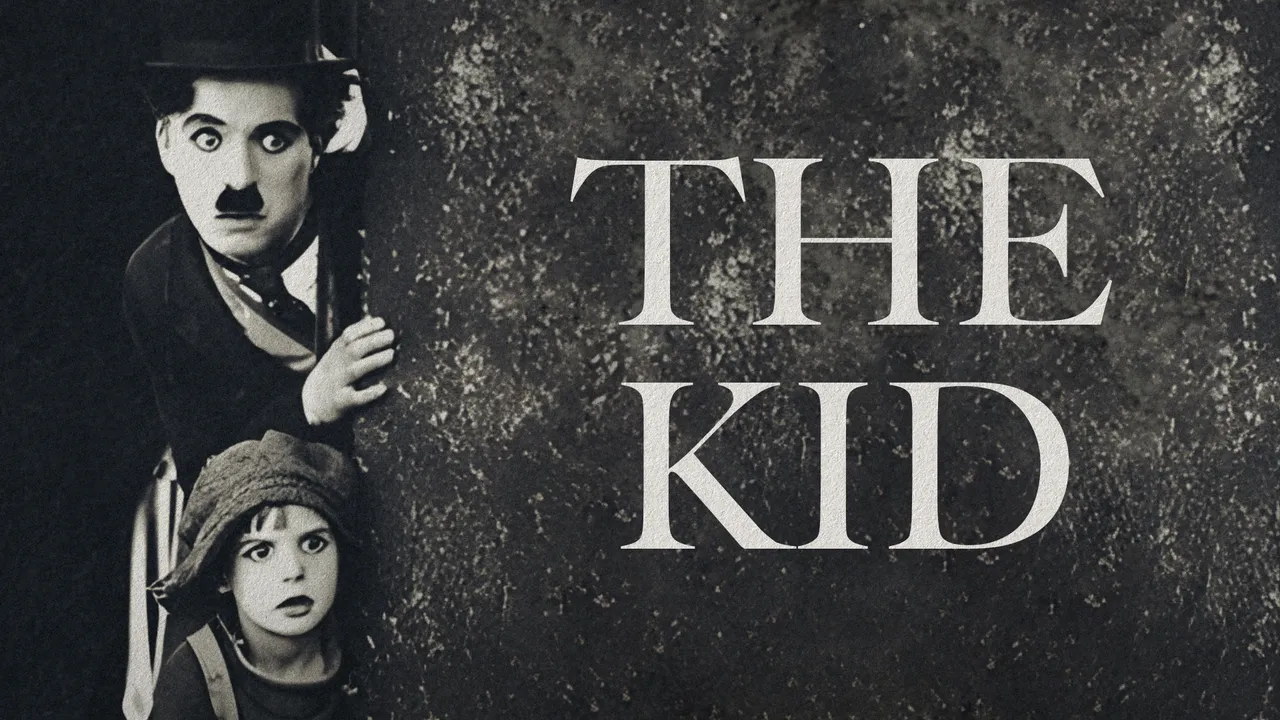 Comedy
The Kid
Charles Chaplin · 1921 · 68 min
Nosferatu (1922)
Prana Film adapted Bram Stoker's Dracula without permission and renamed the count Orlok. Stoker's widow, Florence, sued. In July 1925 a German court ordered the negative and every print destroyed.
It did not work. Prints had already gone abroad, and copies survived in archives. F. W. Murnau's film, with Max Schreck's Orlok bringing plague to the town of Wisborg, is the version of the vampire story that got away.
Nosferatu
F.W. Murnau · 1922 · 86 min
Safety Last (1923)
In 1919, years before Harold Lloyd hung from a clock above a Los Angeles street, he lost his right thumb and forefinger when a bomb he thought was a prop went off during a publicity photo. He wore a prosthetic glove afterward, including on this climb.
The idea came from watching steeplejack Bill Strother scale a building. The climb was built from sets on rooftops of different heights downtown, so the traffic below is real. The title is a joke on the workplace slogan "safety first."
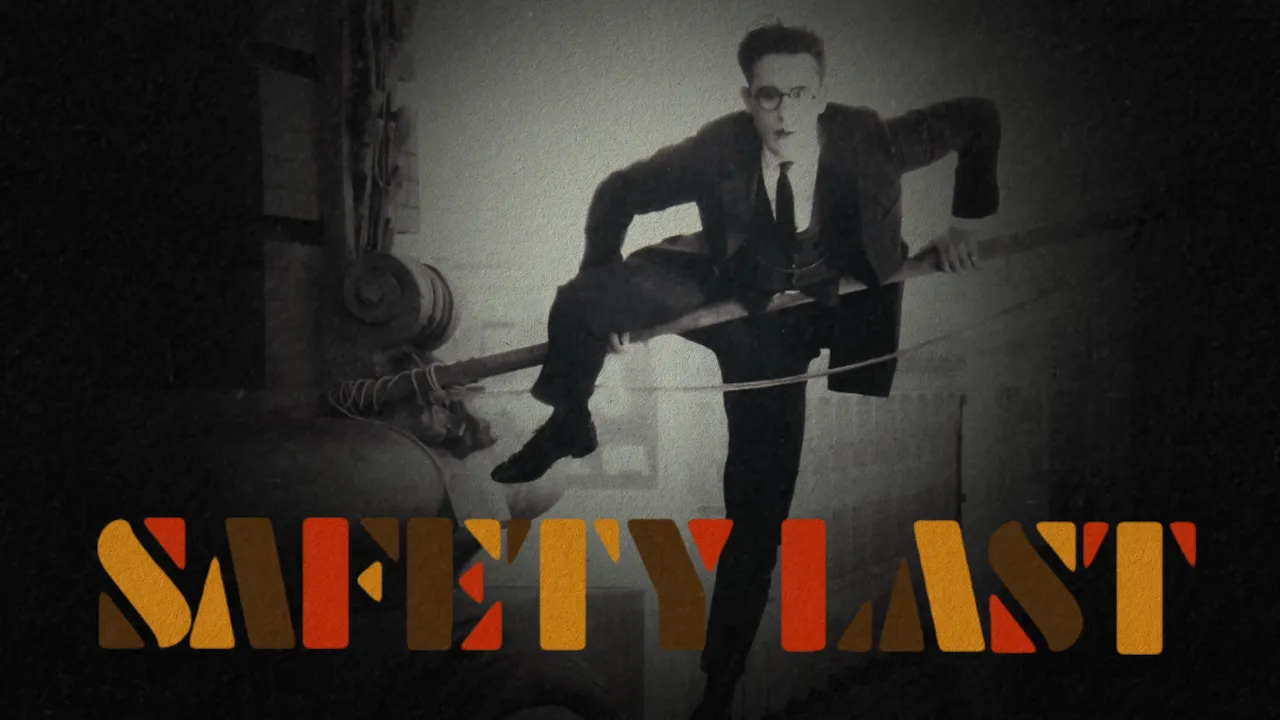 Action/Adventure
Safety Last
Fred Newmeyer · 1923 · 73 min
Sherlock Jr. (1924)
Buster Keaton plays a projectionist who falls asleep and walks into the movie he is showing. Keaton said that one idea was "the reason for making the whole picture." The film within the film keeps cutting, and he keeps landing somewhere new.
During one stunt, a water tower's spout knocked him onto the rails. He finished the shot. Only an X-ray years later showed he had fractured a vertebra in his neck. It entered the National Film Registry in 1991.
Sherlock Jr.
Buster Keaton · 1924 · 44 min
The Phantom of the Opera (1925)
Universal's Carl Laemmle met Gaston Leroux in Paris, read his novel in one night and bought it for Lon Chaney. Chaney designed his own makeup, and Universal released no photographs of it before the premiere.
Behind the camera, Chaney and director Rupert Julian stopped speaking. Cameraman Charles Van Enger carried directions between them and recalled Chaney's usual reply: "Tell him to go to hell." The unmasking scene still lands because nobody had seen that face coming.
The Phantom of the Opera
Rupert Julian · 1925 · 89 min
The General (1926)
Keaton wanted the real locomotive from the 1862 Great Locomotive Chase. The railway that owned it said no once it learned the film was a comedy, so he shot around Cottage Grove, Oregon, and built his own climax: a real train driven onto a burning trestle and dropped into the Row River, in a single shot that cost about $42,000.
The film's budget reached $750,000. It earned about $474,000 in the US, and Variety called it "far from funny."
The General
Clyde Bruckman · 1926 · 75 min
Sunrise: A Song of Two Humans (1927)
William Fox brought F. W. Murnau from Germany to make a prestige picture in Hollywood. The story is simple: a farmer is tempted by a woman from the city to drown his wife. The camera moves through enormous built sets, and much of the exterior work was shot at Lake Arrowhead.
At the first Academy Awards it won Best Unique and Artistic Picture, a category given only once. Charles Rosher and Karl Struss won for cinematography, and Janet Gaynor won Best Actress.
Sunrise: A Song of Two Humans
F.W. Murnau · 1927 · 94 min
The Lodger: A Story of the London Fog (1927)
Alfred Hitchcock's first thriller follows a lodger suspected of being a Jack the Ripper style killer. Hitchcock said the studio would not let its star, Ivor Novello, be considered a villain, so the script was changed to make his innocence clear.
It is also the first film with a recognizable Hitchcock cameo, as a newspaper editor. The BFI restored it in 2012 as part of its Save the Hitchcock 9 project.
The Lodger: A Story of the London Fog
Alfred Hitchcock · 1927 · 74 min
What makes silent films worth watching now?
- The stunts are real. When a train falls, a train falls.
- The faces carry everything. Actors built performances people could read across a theater.
- The camera does the talking. Directors found ways to show what a line of dialogue would have said.
Where to go next
- For the shadows of German Expressionism carried into American crime films, see Film Noir.
- For films that survived being dismissed the first time, see Cult Classic Movies That Found Their Audience Years Late.