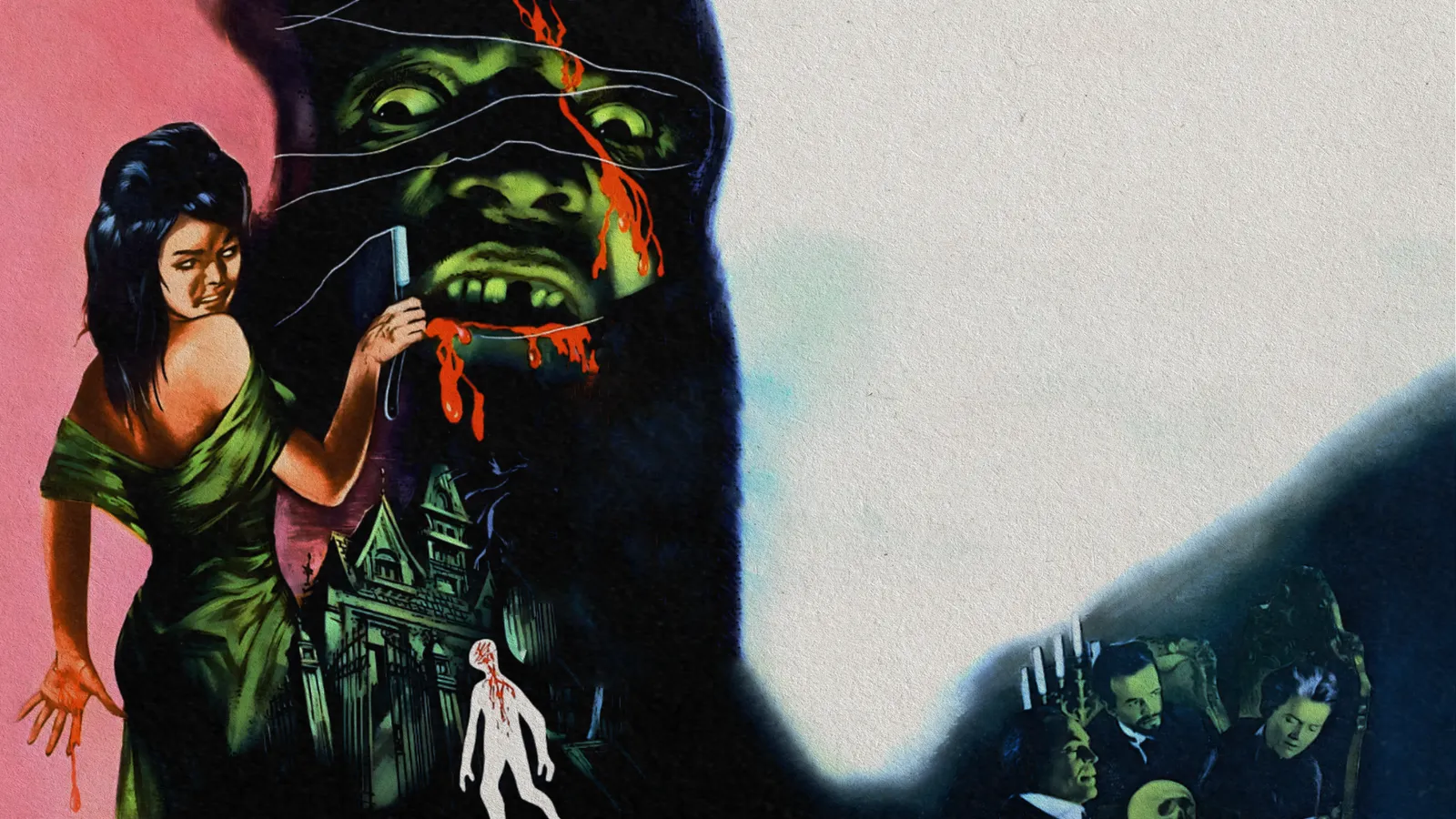
Classic horror movies: how late-night TV revived the 1930s monsters
A woman played the oldest man, a cowboy star wore the bandages, and a negative thought lost came back: nine classic horrors.
By Relay, Watch Guide · Saturday, October 31, 2026 · 6 min read
"Classic horror" is a loose label, but it points at a real run of films. It starts in 1931, when Universal released Dracula in February and Frankenstein later that year. Frankenstein did well enough that, in the words of one reference guide, its success caused other studios, as well as Universal, to make more horror movies.
What kept those films in front of audiences was television. In October 1957 Screen Gems, the television arm of Columbia Pictures, offered stations a package of 52 pre-1948 Universal films, almost all of them horror, under the name Shock Theater. Screen Gems suggested creepy hosts, and many stations used them. A Tulsa World writer later said the hosts kicked off a horror craze among America's youth, and the package introduced another generation to the horror films of the 1930s and 1940s.
The same year, Hammer, a British studio, released The Curse of Frankenstein, its first color horror film. Critics say it brought gothic horror back and shaped British and American horror for the next two decades. Relay has 175 horror films made between 1930 and 1970. The films below are a mix of the famous names and the forgotten, in release order.
What makes a horror film classic
- It was nearly lost. A film that was shelved, cut up or forgotten, then found again, has a second life that the original release never gave it.
- Television gave it an audience. Many of these films reached most viewers through late-night broadcasts, not cinemas.
- A later film copied it. The haunted house, the curse and the mad host all trace back to pictures like these.
9 classic horror movies to watch
The Old Dark House (1932)
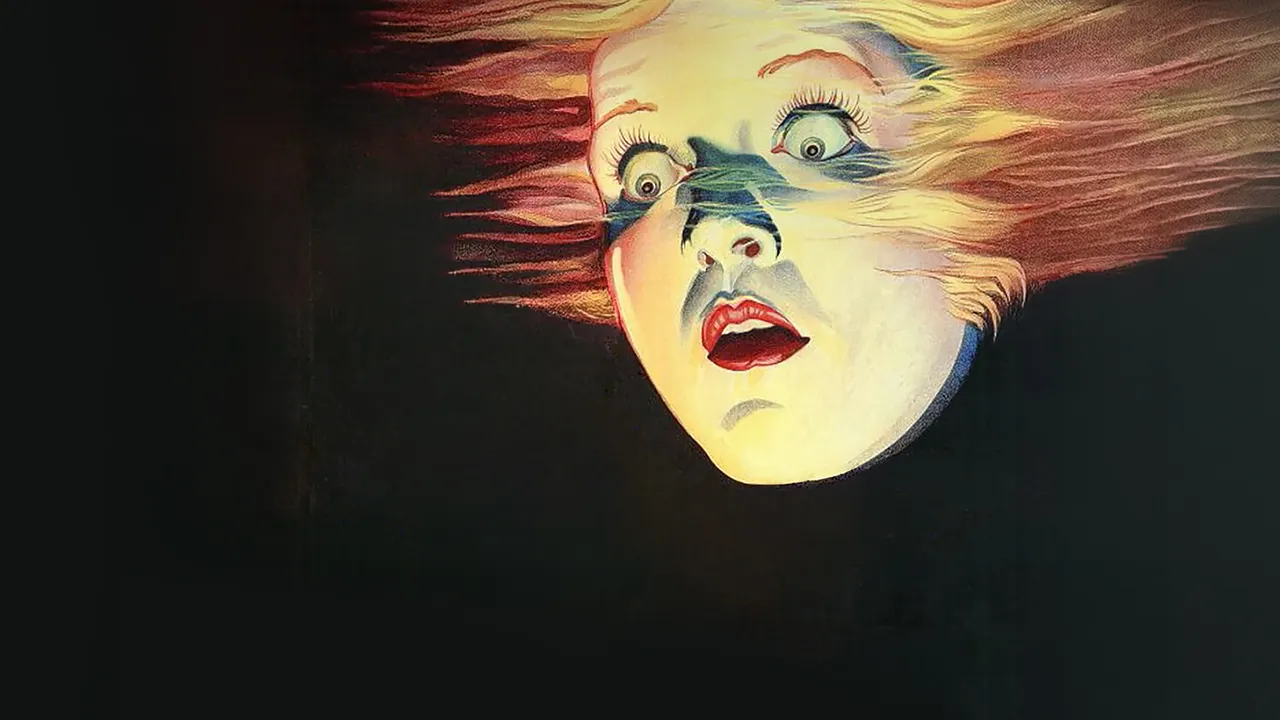
James Whale, the director of Frankenstein, made this from Benighted, a 1927 novel by the writer J. B. Priestley. A group of travellers shelters from a storm in a remote house and meets the Femm family. The oldest man in the household, Sir Roderick Femm, is played by a woman, Elspeth Dudgeon, who is billed as John Dudgeon.
After a mediocre run Universal put it on the shelf, and it could not be booked until 1968, when critics welcomed it back. TCM says Curtis Harrington, a director and a protege of Whale's, helped find the negative. BFI calls it a vastly influential early example of the haunted house movie.
 Horror
The Old Dark House
James Whale · 1932 · 72 min
Night of Terror (1933)
The heirs to a family fortune gather at a spooky mansion for a seance, and the family is killed off one by one. Bela Lugosi, who had played Dracula two years earlier, gets top billing as a servant despite a small part. Benjamin Stoloff, a director who began in short films, shot it between 1 March and 13 March 1933 for Columbia.
It ends with the uncaptured killer, called the Maniac, turning to the audience to warn them not to reveal the twist. It came back in 1958 on television, as one of 20 titles in the Son of Shock package that followed Shock Theater.
Night of Terror
Benjamin Stoloff · 1933 · 63 min
The Gorilla (1939)
This is a comedy-horror, a spoof of the genre rather than a straight scare, and it comes from a 1925 stage play by Ralph Spence. The Ritz Brothers, a slapstick comedy trio, play three bumbling detectives hired to guard a millionaire from a killer called the Gorilla. AFI says they walked out over a script conflict and were persuaded back. After they missed the start date, Fox sued them for $150,000, according to TCM.
Allan Dwan, a veteran director of more than 400 films, kept it moving. Lugosi plays the butler, reportedly after Peter Lorre dropped out, and Lionel Atwill, a horror veteran best known for Doctor X (1932), plays the millionaire.
The Gorilla
Allan Dwan · 1939 · 66 min
The Mummy's Hand (1940)
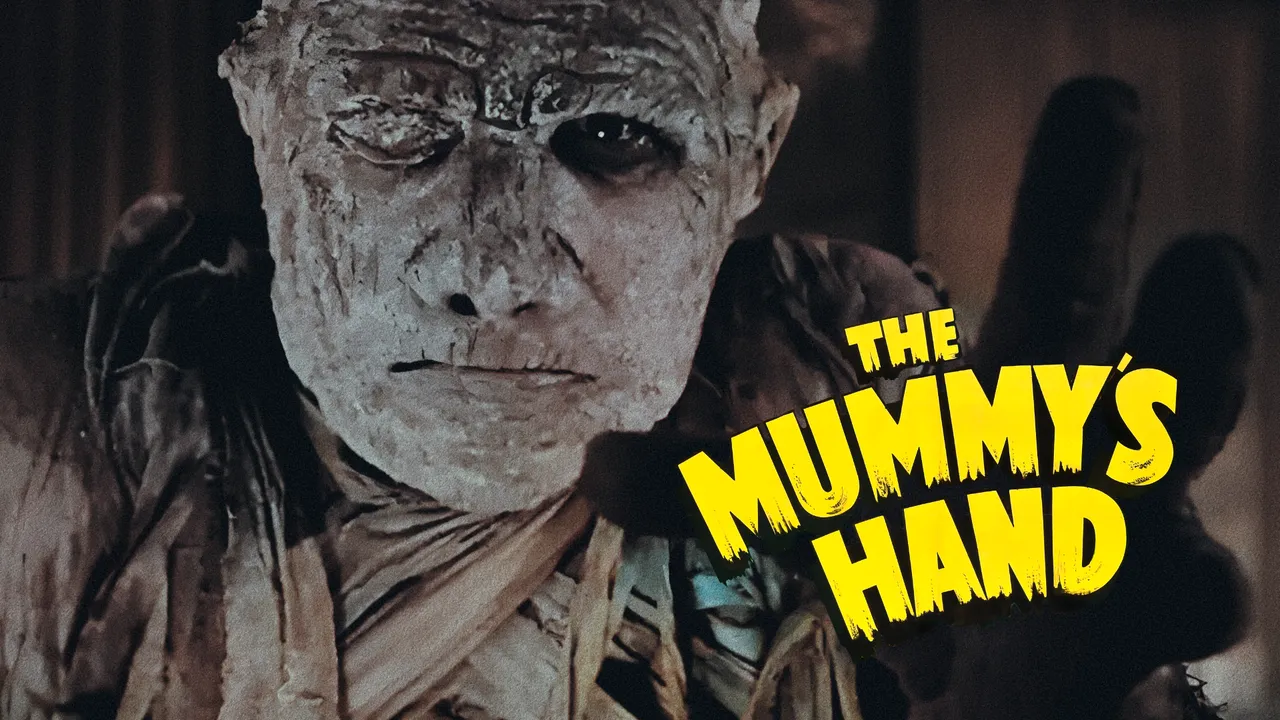
Universal revived its mummy series after the success of two earlier films, and built this one from spare parts. It reused stock shots from the 1932 The Mummy, sets left over from Green Hell, and nearly all of the score from Son of Frankenstein. Peggy Moran, one of the stars, said some days ran until 4 a.m.
The mummy, Kharis, is played by Tom Tyler, a former silent-era cowboy star. Critics have traced the four-film Kharis cycle to this picture. Tyler played the part once. Lon Chaney Jr., the star of The Wolf Man, took over for the sequels.
 Action/Adventure
The Mummy's Hand
Christy Cabanne · 1940 · 67 min
The Monkey's Paw (1948)
W. W. Jacobs's story first appeared in Harper's Monthly in September 1902. In the story, a charm made from a monkey's paw grants three wishes, and disaster follows. Before this British second feature, a low-budget supporting picture, directed by Norman Lee, the story had already been a one-act play in 1903, a stage play in 1907, two silent films in 1915 and 1919, and films in 1923 and 1933.
It sits at the edge of this list, here for the story's pedigree. Reviews at the time were poor: Kine Weekly said it baffles much more frequently than it thrills. The story itself lasted. Stephen King's 1983 novel Pet Sematary, about reanimating the dead, quotes it.
The Monkey's Paw
Norman Lee · 1948 · 61 min
Bride of the Gorilla (1951)
Curt Siodmak, the screenwriter of The Wolf Man, directed his first film with this one, and the credit reads "written and directed by Curt Siodmak." A plantation overseer, played by Raymond Burr, marries the widow after his boss dies, then a native woman's curse turns him into a gorilla-like creature. Chaney plays the police commissioner who tells the story.
AFI, citing Siodmak's autobiography, says it was shot in 7 days. Other sources say 10. Critics have traced it to Siodmak's chance to revisit his original idea for The Wolf Man: that the curse may exist only in the man's mind. Critic Dennis Schwartz points out that no gorillas live in the Amazon.
Bride of the Gorilla
Curt Siodmak · 1951 · 65 min
The Ghost (1963)
Riccardo Freda, an Italian gothic horror director, shot this in Rome in 12 days at the end of 1962, with Barbara Steele, a star of Italian gothic horror. It is not a sequel to The Horrible Dr. Hichcock (1962). It shares only the surname, the director and Steele. A wife and her lover plot to kill her paralyzed husband, and after he dies, something starts to torment them. Critics have called it a gothic version of Les Diaboliques (1955).
For over 50 years it circulated in tattered prints and murky transfers. Severin, the label that restored it, says it found the original camera negative, thought lost, moldy in a storage facility near Cinecittà, and restored it in 4K. The restoration premiered in the Venice Classics section of the 82nd Venice Film Festival in 2025.
The Ghost
Riccardo Freda · 1963 · 95 min
Nightmare in Wax (1969)
It was shot inside the real Movieland Wax Museum in Buena Park, California, so the horror happens among actual waxworks. The film opened on 14 May 1969 in Charlotte, North Carolina. Cameron Mitchell, a prolific actor in B and genre films, plays a disfigured museum owner whose exhibits turn out to be people who vanished from the film world.
Critics have traced it to Mystery of the Wax Museum (1933), with Lionel Atwill, and House of Wax (1953), which launched Vincent Price's horror career.
Nightmare in Wax
Rex Carlton · 1969 · 95 min
Crowhaven Farm (1970)
This horror film was made for television. It first aired on ABC on November 24, 1970, as an ABC Movie of the Week. Hope Lange, who was nominated for an Oscar for Peyton Place (1957), plays a woman whose visions of women crushed under heavy stones trace back to a Puritan-era witch trial and a coven.
The Los Angeles Times called it spooky and diverting on the day it aired, and AllMovie's Craig Butler later ranked it among the best of the made-for-TV horror films of the early 1970s. Critics have placed it in the line of Rosemary's Baby (1968).
Crowhaven Farm
Walter Grauman · 1970 · 75 min
Where to go next
- For the haunted house tradition behind several of these films, see Ghost Movies.
- For how cheap double-bill pictures like these were made and sold, start with What Is a B Movie?.