Creature feature movies: how atomic fear turned monsters giant
A $29,000 sea monster, a Japanese giant beaten by a substance called Guilalanium, and the 1950s fear behind them all.
By Relay, Watch Guide · Sunday, October 25, 2026 · 6 min read
A creature feature is a film built around people trying to survive a monster. The monster can be man-sized, like the Creature from the Black Lagoon, or giant, like King Kong or Godzilla.
The genre boomed in the 1950s, and the bomb was the reason. The Beast from 20,000 Fathoms (1953), in which an atomic test wakes a dinosaur, is credited with starting that decade's wave, and giant monsters of the period were often read as symbols of atomic warfare. In Japan, Godzilla made the link explicit. It opens with a recreation of the Castle Bravo hydrogen bomb test of March 1, 1954, which yielded 15 megatons instead of the 6 expected. The fallout hit a Japanese fishing boat, the Lucky Dragon No. 5, and one crew member died.
Godzilla started something. The Atomic Heritage Foundation says it created the kaiju genre single-handedly. Kaiju is the Japanese word for "strange beast", and it names films in which giant creatures attack cities. In America, the giant-ant film Them! (1954) was a hit, and the Library of Congress says it led to a host of mostly inferior giant insect pictures. Critics have also traced the opening of Jaws (1975) to Creature from the Black Lagoon. Relay's catalog has 122 monster and kaiju films, and the films below are a way in.
What makes a creature feature
- A cause. Radiation, a lab experiment, a lost species, a spore from space. The cause shows what the decade feared.
- A suit and a trick. Most monsters were an actor in a costume, filmed against miniatures. Eiji Tsuburaya, the special effects director of Godzilla, developed this method in Japan and called it suitmation.
- Small people, big problem. A few scientists, a sheriff or a lighthouse keeper stand between the monster and a town.
9 creature feature movies to watch
The Snow Creature (1954)
W. Lee Wilder directed and produced it. He was the older brother of Billy Wilder, the director of Sunset Boulevard and Some Like It Hot. United Artists released it in November 1954, and critics describe it as one of the first of several Yeti films.
A botanical expedition captures a living Yeti, the legendary snow creature of the Himalayas, and brings it to Los Angeles. Customs officials cannot decide whether it is an animal or a man, so an anthropologist is called in. The actor Lock Martin, who played the robot Gort in The Day the Earth Stood Still, plays the Yeti.
 Horror
The Snow Creature
W. Lee Wilder · 1954 · 71 min
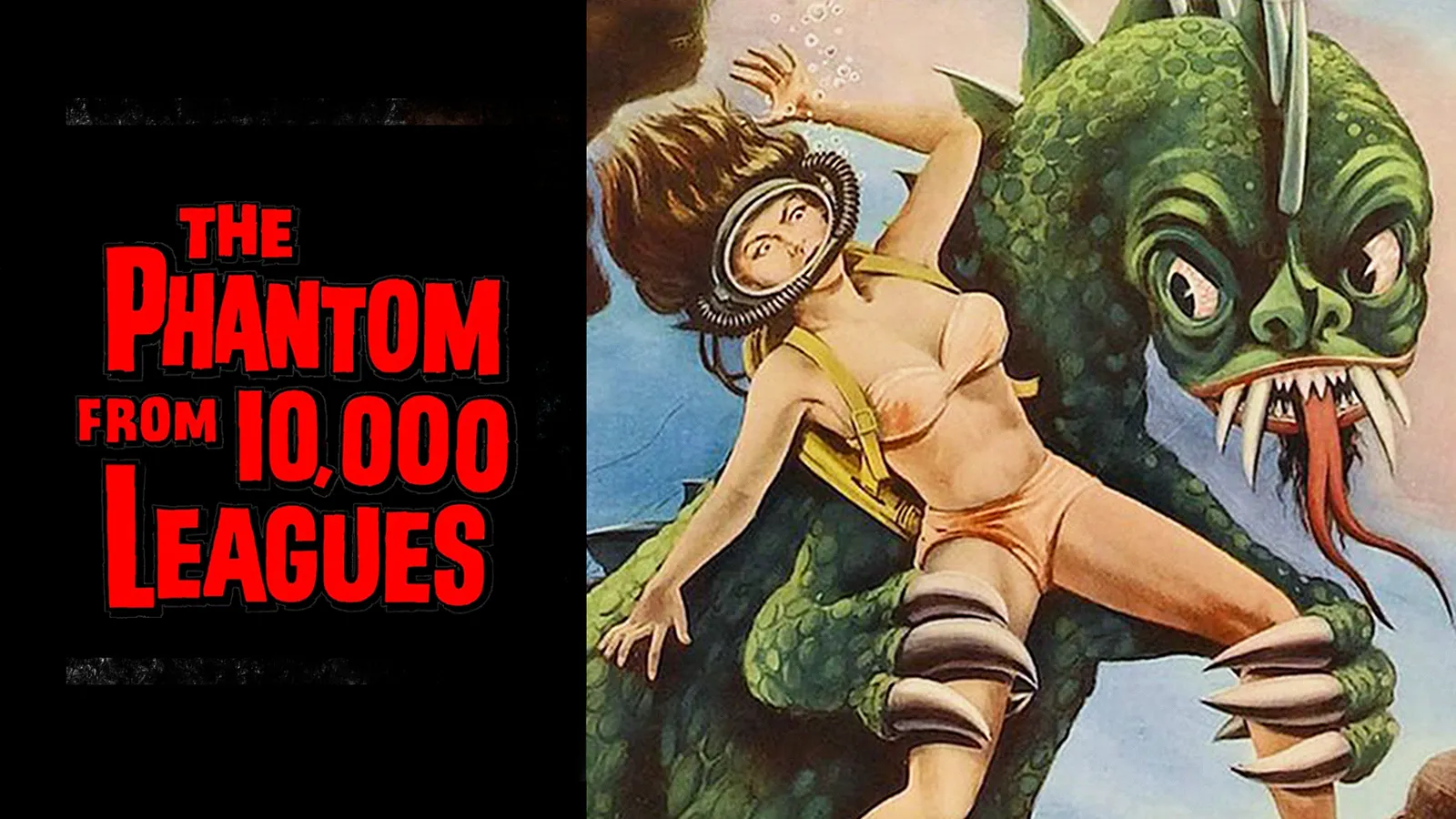
The Phantom from 10,000 Leagues (1955)
In December 1955 a small company called American Releasing Corporation put out its first double feature, which is two films sold on one ticket. This was half of it, paired with Day the World Ended. The company later became American International Pictures. The film cost about $75,000, and two film editors who wanted to break into features, the brothers Dan and Jack Milner, directed and produced it.
A scientist's mutating device has made a man-sized sea creature that kills a fisherman and attacks divers guarding a radioactive rock. In January 1956 the double bill opened in 250 New England theaters at once, and it reportedly earned $400,000 in its first months. The critic Leonard Maltin gave the film his lowest rating.
The Phantom from 10,000 Leagues
Dan Milner · 1955 · 80 min
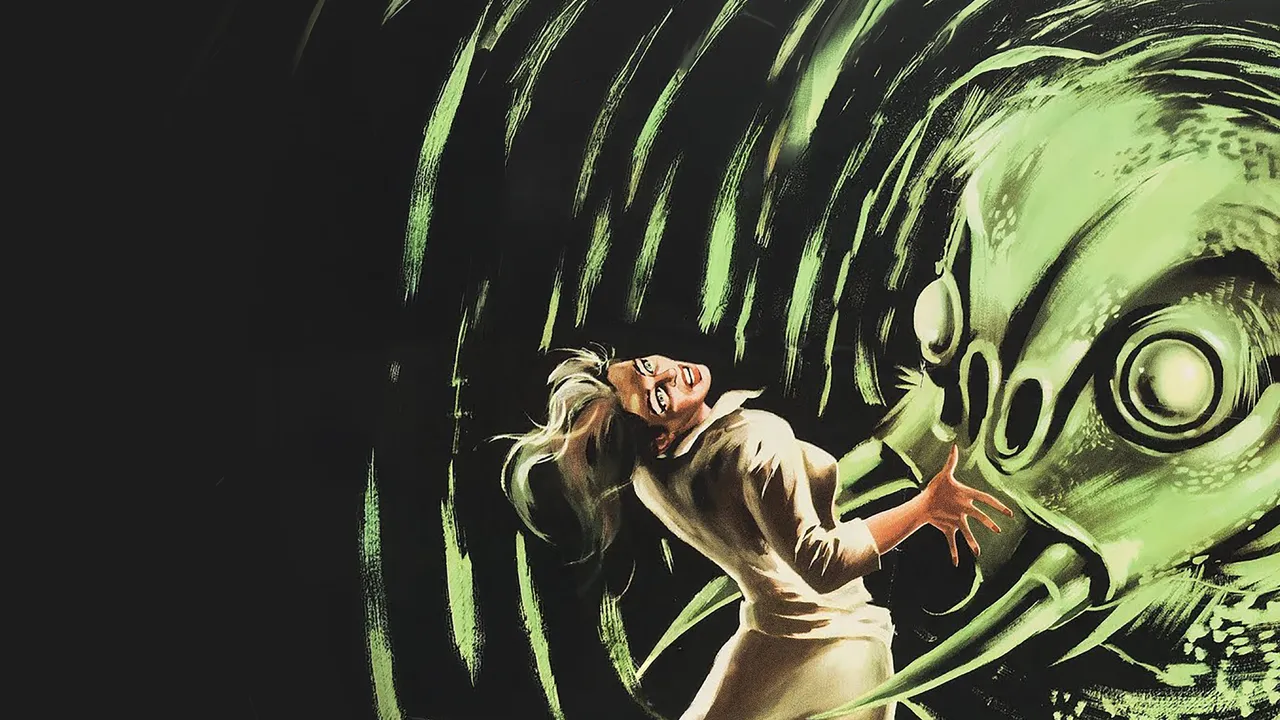
Monster from Green Hell (1957)
Jim Davis, who later played the family patriarch on the television series Dallas, stars as a scientist. A rocket carrying test animals stays in cosmic radiation far longer than planned and crashes in Africa, where wasps have grown into giant killers. A volcanic eruption finally destroys them.
Much of the African footage is stock footage, which means film shot for earlier productions and reused. The wild animal shots are taken from the 1939 film Stanley and Livingstone. The print is black and white with one tinted color sequence. It played on a double bill with Half Human, a re-edited and English-dubbed 1955 Japanese monster film.
 Horror
Monster from Green Hell
Kenneth G. Crane · 1957 · 70 min
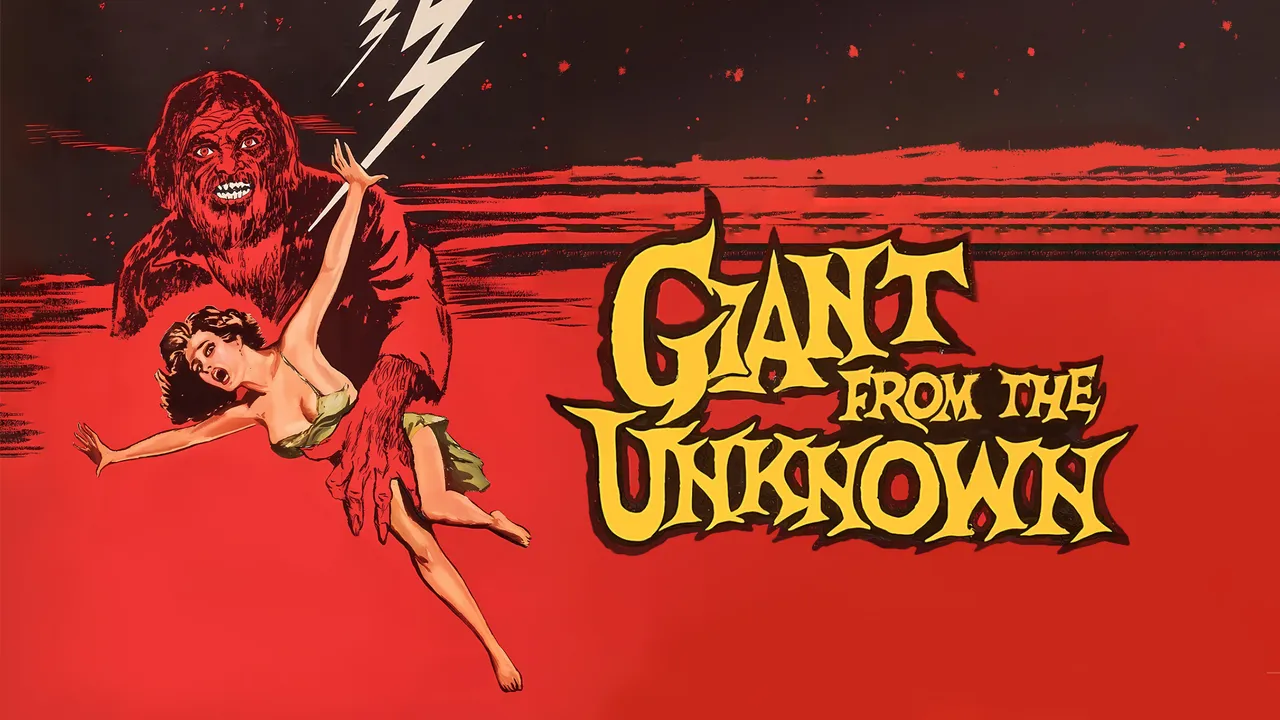
Giant from the Unknown (1958)
The makeup was by Jack Pierce, the artist behind Universal's Frankenstein (1931), The Mummy (1932) and The Wolf Man (1941). A monstrous Spanish conquistador named Vargas, played by the actor Buddy Baer, terrorises a small California mountain town.
Richard Cunha directed and also shot the film around Fawnskin, California, in the San Bernardino National Forest. The critic Glenn Erickson called his camerawork exceptionally good. Film Detective issued a restored widescreen Blu-ray in 2020.
 Drama
Giant from the Unknown
Richard E. Cunha · 1958 · 77 min
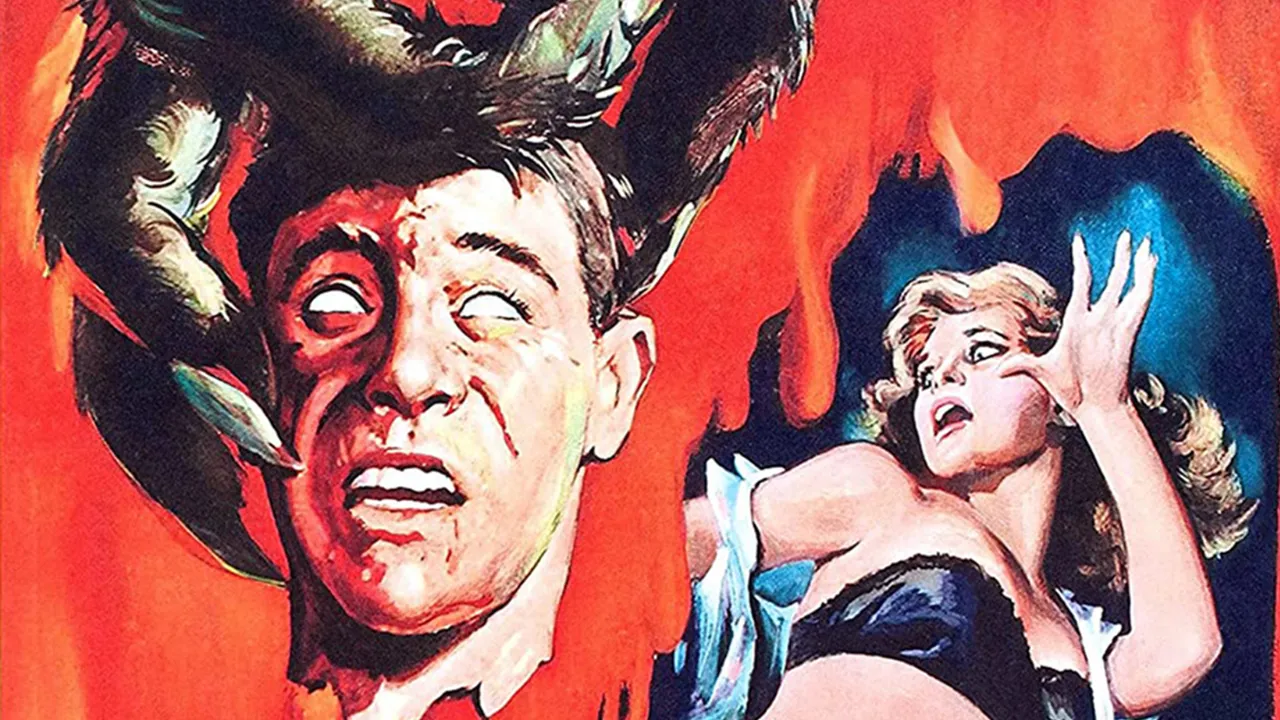
Night of the Blood Beast (1958)
It cost about $68,000 and was shot in seven days. Roger Corman, the producer and director famous for fast, cheap films, was executive producer, and his brother Gene produced it. Martin Varno was 21 when he wrote the screenplay, and the director, Bernard Kowalski, was 28.
An astronaut returns to Earth with alien embryos growing inside him. The Science Fiction Encyclopedia calls him the first, but not the last, effectively pregnant movie astronaut. Critics have noted that the idea resurfaces in Alien (1979), though no filmmaker has confirmed a link.
 Horror
Night of the Blood Beast
Bernard L. Kowalski · 1958 · 62 min
The Monster of Piedras Blancas (1959)
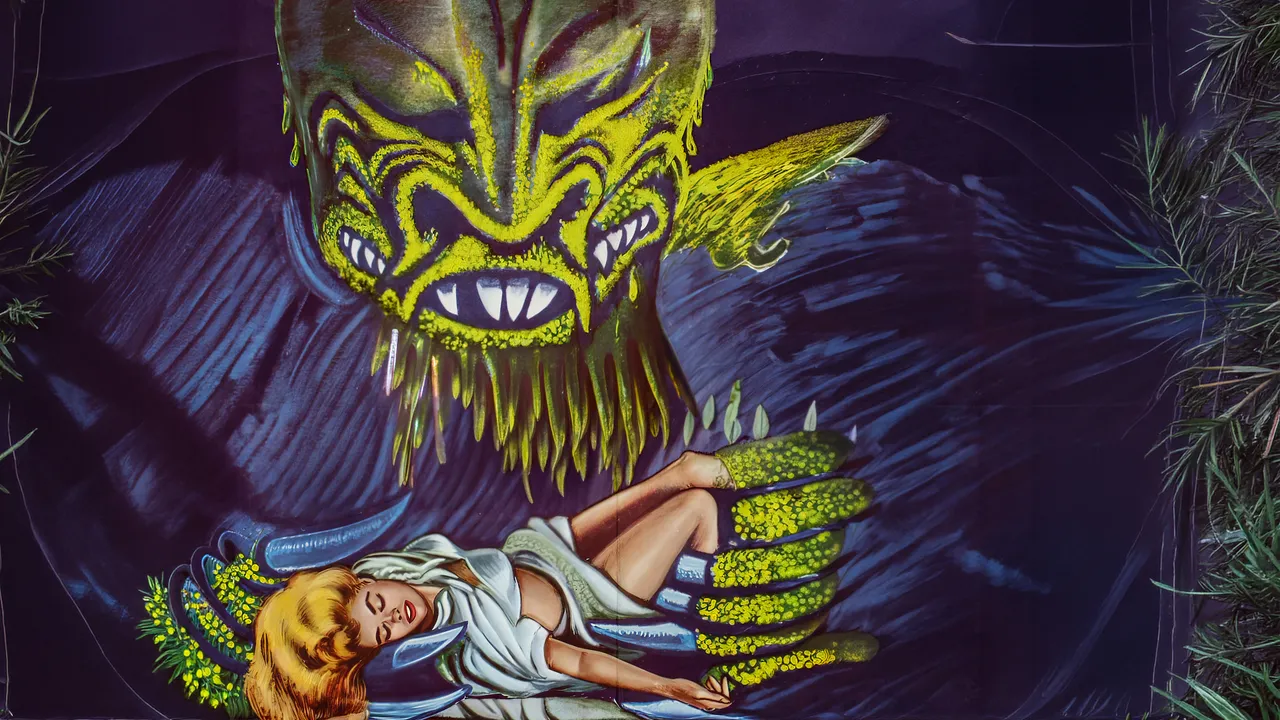
It cost $29,000. Jack Kevan, who helped build the Gill-man suit for Creature from the Black Lagoon at Universal, produced it and made the monster costume. The Gill-man is the amphibious monster of that film. To save money, Kevan reused existing molds: the feet came from This Island Earth and the hands from The Mole People.
An old lighthouse keeper secretly feeds a prehistoric fish-man with scraps. When he misses a feeding, it kills. The lighthouse scenes were shot at Point Conception Light near Lompoc, California. The Science Fiction Encyclopedia calls the horror scenes graphic for their time.
 Horror
The Monster of Piedras Blancas
Irvin Berwick · 1959 · 71 min
Curse of the Swamp Creature (1966)
Larry Buchanan was commissioned by American International Pictures to make very low-budget color remakes of the company's older B movies for television. This one remakes Voodoo Woman (1957). John Agar, a leading man of low-budget science fiction films, plays Barry Rogers.
A mad scientist in the Texas swamps turns people into reptilian monsters. It was shot in Uncertain, Texas, a real town, and the Fly-N-Fish Lodge and Airport seen in the early scenes still exists.
Curse of the Swamp Creature
Larry Buchanan · 1966 · 80 min
The X from Outer Space (1967)
Shochiku, a company that began in kabuki theatre, released it in Japan on March 25, 1967. It belonged to Japan's first kaiju boom, when studios beyond Toho and Daiei, the makers of Godzilla and Gamera, joined in. It was never released in American theaters. American International Television sent it straight to television in 1968.
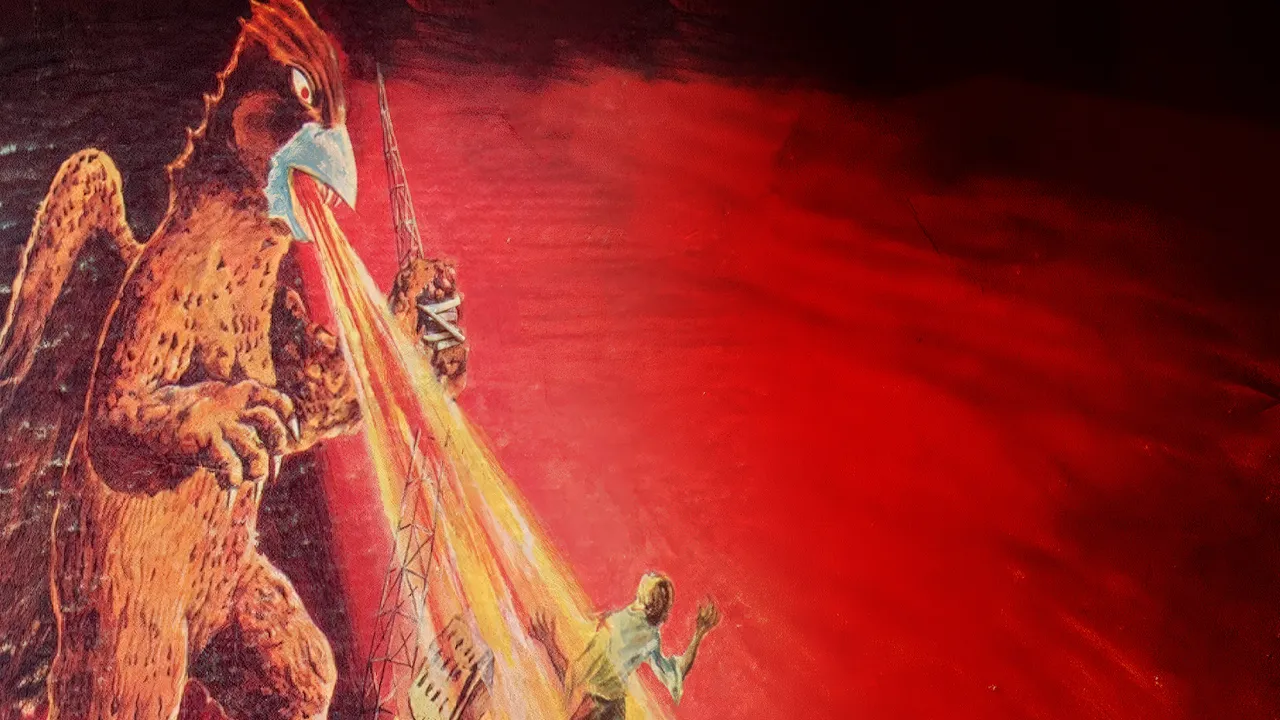
A crew returns from Mars with a spore that grows into the beaked monster Guilala, which feeds on energy and attacks Tokyo. Fighter jets coat it in a substance called Guilalanium, which shrinks it back to a spore. Shochiku revived Guilala for a comedy in 2008.
The X from Outer Space
Kazui Nihonmatsu · 1967 · 87 min
Monster From a Prehistoric Planet (1967)
The original Japanese title is Gappa: The Triphibian Monster. Nikkatsu made it, and it opened in Japan on April 22, 1967. In America, American International Television sold it under this title in a package of 15 science fiction films.
An expedition to Obelisk Island finds a baby monster and takes it to Japan. Its enormous parents follow to get it back. Akira Watanabe, a former Toho employee, made the monster suits, and Tsuburaya's effects teams were quietly involved. Variety called Gappa the best monster of the Japanese films it had seen.
 Action/Adventure
Monster From a Prehistoric Planet
Hiroshi Noguchi · 1967 · 90 min
Where to go next
Every film above is on Relay. For the cheap-film economy behind these monsters, and another night creature, try these.