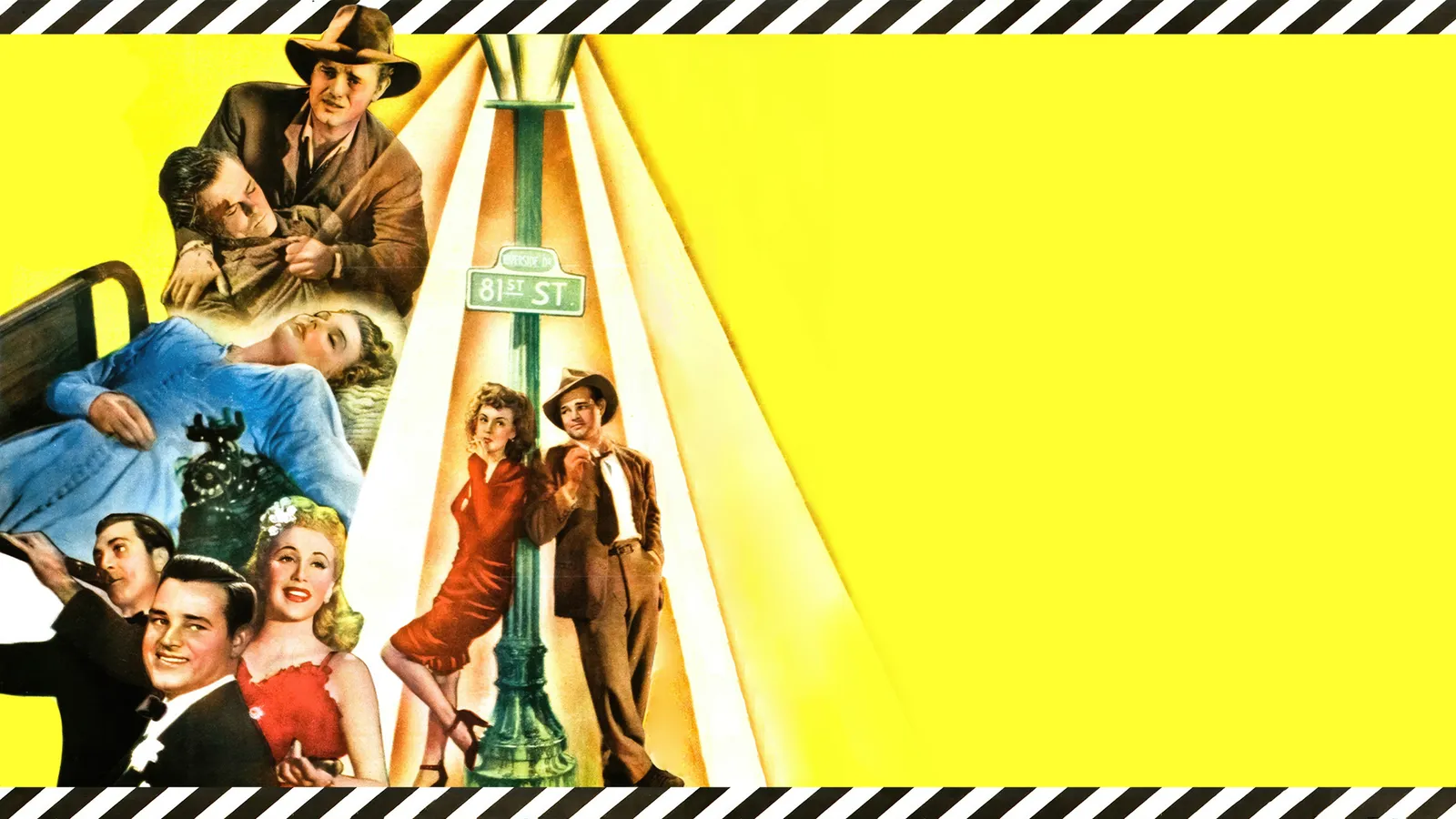
Film Noir: 8 Movies That Show What the Term Actually Means
Shadows, cigarette smoke and a detective who already knows how this ends.
By Relay, Watch Guide · Friday, October 9, 2026 · 5 min read
Film noir is not a genre with a rulebook. Critic Nino Frank named it in L'Ecran francais in August 1946, after watching a run of dark American crime dramas that had just reached French screens: The Maltese Falcon, Laura, Murder, My Sweet, Double Indemnity and The Woman in the Window, all held back for years by the wartime import ban. Frank is thought to have borrowed the word from Serie noire, the French crime-fiction imprint.
Most historians place the classic period from John Huston's The Maltese Falcon to Orson Welles's Touch of Evil. Inside those years there is no single plot that counts as noir. What repeats is low-key, high-contrast black-and-white photography drawn from German Expressionism, oblique angles and people who make the wrong choice and know it.
The films below each carry one piece of that style on their back: the budget, the cynicism, the shadows, the source material. Watch them in order and the term stops being an argument.
What makes a film noir
- The look, not the plot. Hard shadows, wet streets, a camera that tilts when a character's world does.
- A protagonist who is already compromised. Nobody in these films is clean going in.
- A production story as tight as the plot. Poverty Row budgets and rushed schedules shaped the style as much as any director did.
8 film noir movies to watch
Detour (1945)
Edgar G. Ulmer shot Detour for PRC, the cheapest Poverty Row studio, after calling Martin Goldsmith's source novel "a very bad book" and rewriting it himself. Nobody agrees on what it cost: the studio ledger says about $117,000, Noah Isenberg's biography says roughly $100,000, and a popular legend still claims $20,000.
The paperwork does not agree on who made it either. PRC's own records list Lew Landers as director at a $3,000 fee against Ulmer's $750, but star Ann Savage said Ulmer directed every scene she was in and she never once saw Landers on set. In 1992 Detour became the first Poverty Row production, and the first film noir, inducted into the National Film Registry.
Detour
Edgar G. Ulmer · 1945 · 68 min
Ace in the Hole (1951)
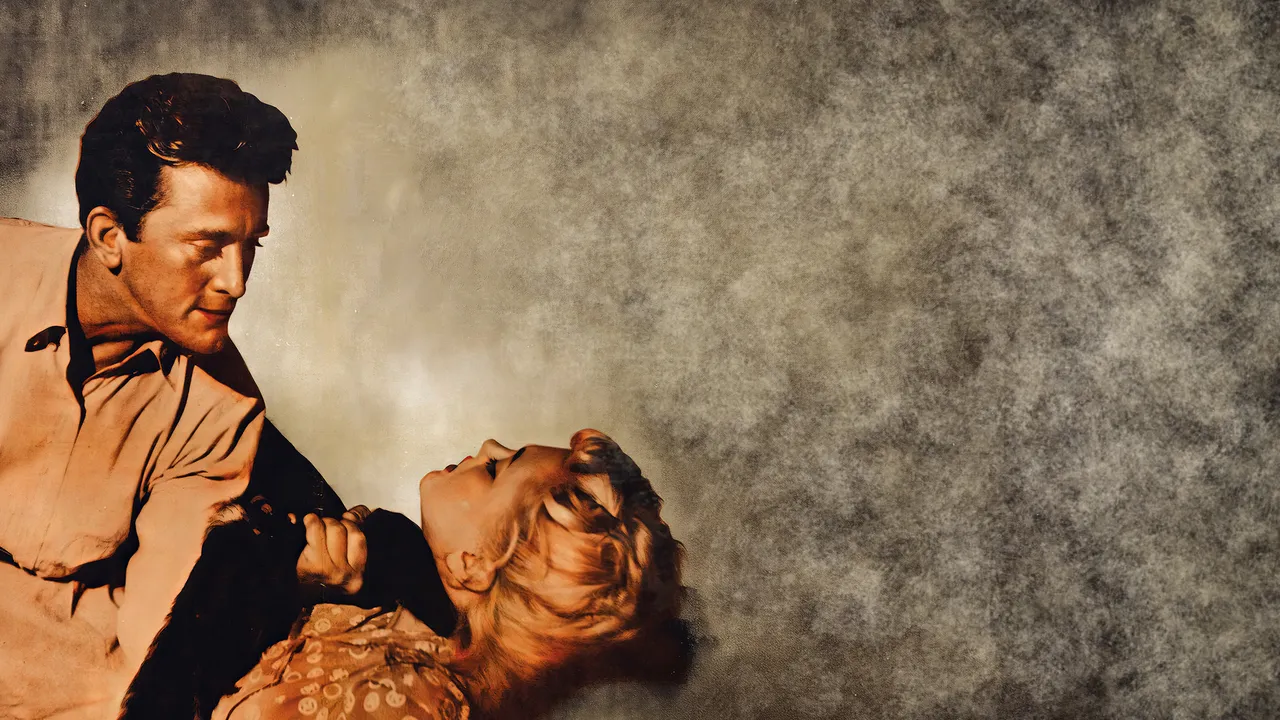
Billy Wilder built Ace in the Hole on the real 1925 case of Floyd Collins, trapped in a Kentucky cave and covered on the ground by reporter William Burke Miller. His film about a reporter who slows the rescue to keep the story running cost about $1.8 million and earned back $1.3 million, Wilder's first outright box-office failure.
Paramount retitled it The Big Carnival after release without Wilder's permission, hoping to save it. It still failed. Wilder still won Best Director at the 1951 Venice Film Festival, and critics have since traced the film's reputation from flop to one of his best.
 Drama
DramaAce in the Hole
Billy Wilder · 1951 · 111 min
The Stranger (1946)
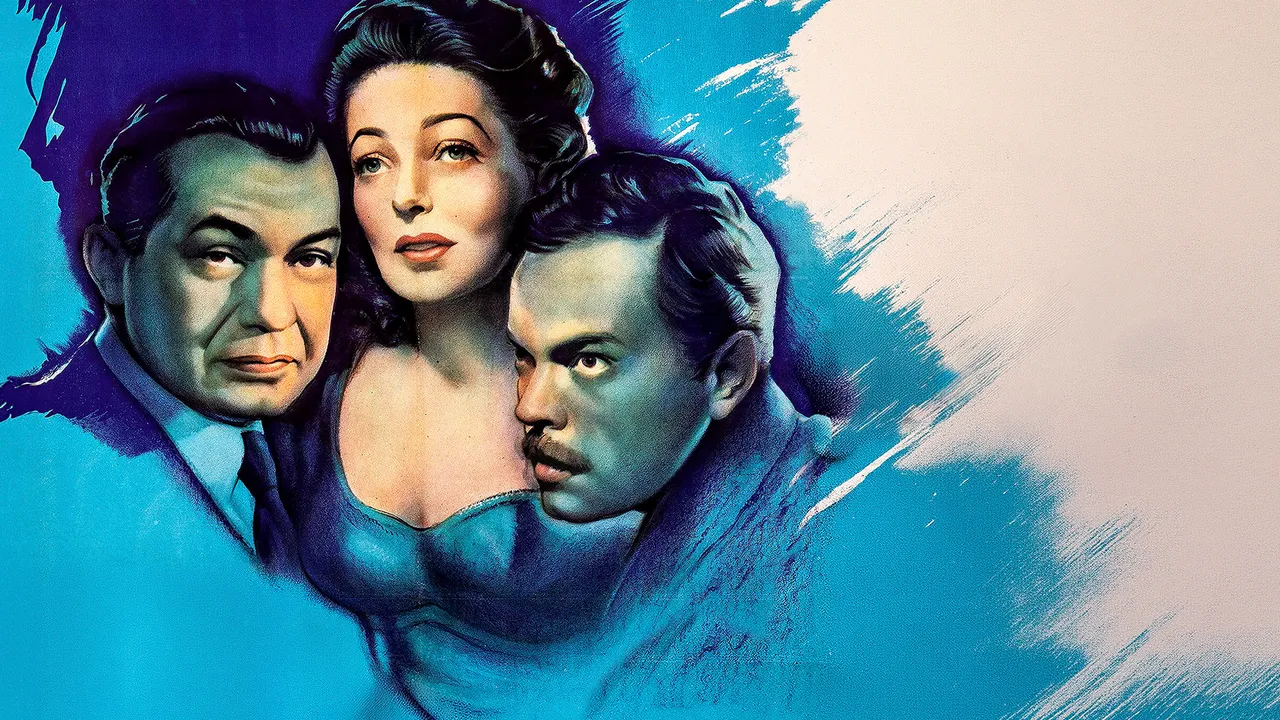
Orson Welles made The Stranger to prove he could work inside a budget after RKO. "I wanted to show people that I didn't glow in the dark," he said, "that I could say action and cut just like all the other fellas." He delivered it to International Pictures under its $1.034 million budget and a day ahead of schedule.
It became the most commercially successful film of his directing career during its initial run, grossing $3.2 million. Welles wanted Agnes Moorehead for the war-crimes investigator, but the studio cast Edward G. Robinson. Welles played the Nazi fugitive himself, and in the end he falls from the small-town clock tower he had repaired earlier in the film.
 Crime
CrimeThe Stranger
Orson Welles · 1946 · 95 min
The Hitch-Hiker (1953)
Ida Lupino built The Hitch-Hiker from the real 1950 to 1951 murder spree of Billy Cook. Accounts of the production say she met one of his hostages in Palm Springs, then interviewed both hostages and Cook himself at San Quentin, who granted her the rights to his story.
The Motion Picture Association objected to a sympathetic modern-day outlaw, so Lupino and husband Collier Young fictionalized the case to satisfy the Production Code. It is widely cited as the only classic-era Hollywood film noir directed by a woman, and it entered the National Film Registry in 1998.
The Hitch-Hiker
Ida Lupino · 1953 · 71 min
The Big Combo (1955)
Joseph H. Lewis shot The Big Combo in black and white at Kling Studios, after the original plan had been Eastman color. Cinematographer John Alton, whose 1949 book Painting with Light was the first cinematography manual written by a working Hollywood cameraman, used deep shadow to isolate the characters psychologically.
A Production Code censor objected in writing to one implied sex scene and called it filth. Lewis kept the sequence anyway.
The Big Combo
Joseph H. Lewis · 1955 · 84 min
Woman On The Run (1950)
A pristine 35mm print of Woman on the Run turned up in Universal's vault in 2003, decades after the film was considered essentially lost. It was then destroyed in the 2008 Universal Studios lot fire.
Its negative and soundtrack had separately survived at the British Film Institute, a find credited to Noir Alley host Eddie Muller, which let a full UCLA restoration premiere in August 2015. The film, shot on location in San Francisco, follows a wife tracking her husband through the city before the police can, its climax on a real roller coaster at Ocean Park Pier in Santa Monica.
Woman On The Run
Norman Foster · 1950 · 77 min
The Red House (1947)
Delmer Daves shot The Red House independently for Sol Lesser and Thalia Productions on roughly a $1 million budget, on location in the Sierra Nevada around Sonora. Miklos Rozsa scored it with a theremin played by Samuel Hoffman, the same eerie sound he had just used on Spellbound.
New York Times critic A. H. Weiler called it an edifying offering, told "intelligently and with mounting tension." Thalia Productions copyrighted the film in February 1947 but never renewed it, which is why it lapsed into the public domain.
The Red House
Delmer Daves · 1947 · 100 min
The Chase (1946)
Arthur Ripley's The Chase adapts Cornell Woolrich's 1944 novel The Black Path of Fear, changing a death from a mad-dog attack in the book to a car accident on screen. Most of the film's Havana murder, frame-up and apparent death of its hero turn out to be a nightmare, and he wakes in Miami with no memory of it, which let the filmmakers dodge the Production Code by having characters escape consequences for acts that only happened asleep.
Even that dream ending was rewritten. Test audiences balked at sending the hero back to war, so the filmmakers moved up a villain's death and let the hero end up with the heroine instead.
The Chase
Arthur Ripley · 1946 · 85 min
Where to go next
- For the studio system that made this many films this cheap, start with What Is a B Movie?.
- For films that found their audience only after they were dismissed, see Cult Classic Movies That Found Their Audience Years Late.