John Wayne movies: the $12,000 westerns before he was a star
Before Stagecoach, John Wayne made cliffhanger serials and cheap westerns shot in under two weeks. Ten of them, and what they taught him.
By Relay, Watch Guide · Friday, November 20, 2026 · 6 min read
John Wayne spent most of the 1930s in westerns that cost about $12,000 each. The Man from Utah (1934) was made for that sum, and Wayne was paid $1,250 to star in it. These were "B westerns": short, cheap cowboy films made fast to fill out a cinema program, most of them under an hour and shot in under two weeks. By his own estimate, Wayne made about 80 of these horse operas between 1930 and 1939.
It was not the plan. In 1930 the director Raoul Walsh cast an unknown prop man named Marion Morrison as the lead of The Big Trail, an expensive widescreen epic, and gave him the name John Wayne. The film failed, blamed on the Depression and on theaters unwilling to pay for widescreen. Wayne worked mostly in low-budget westerns from then until John Ford's Stagecoach (1939) made his career. The Library of Congress calls Stagecoach one of the all-time great westerns.
The cheap years are where he learned the job. Wayne later said the B westerns taught him to work, take orders and get on with the action. They are also where he met Yakima Canutt, a rodeo champion turned stuntman, who taught him to fall off a horse and doubled for him in stunts. Relay carries at least 19 John Wayne films made between 1932 and 1937. Below are nine, in order, plus the 1947 film where Wayne first became a producer.
What do early John Wayne movies have in common?
- Speed. Small units made a western in under two weeks, on the same ranches and desert roads, with the same faces in the gang.
- Yakima Canutt. He shows up in nearly every film below, often as the villain, often doubling Wayne in the same picture.
- A wronged hero. Wayne plays a man framed, orphaned or undercover, who clears his name with his fists.
- Studios that kept merging. Mascot made the serials, Lone Star made westerns for Monogram, and in 1935 both were folded into Republic Pictures.
10 John Wayne movies to watch
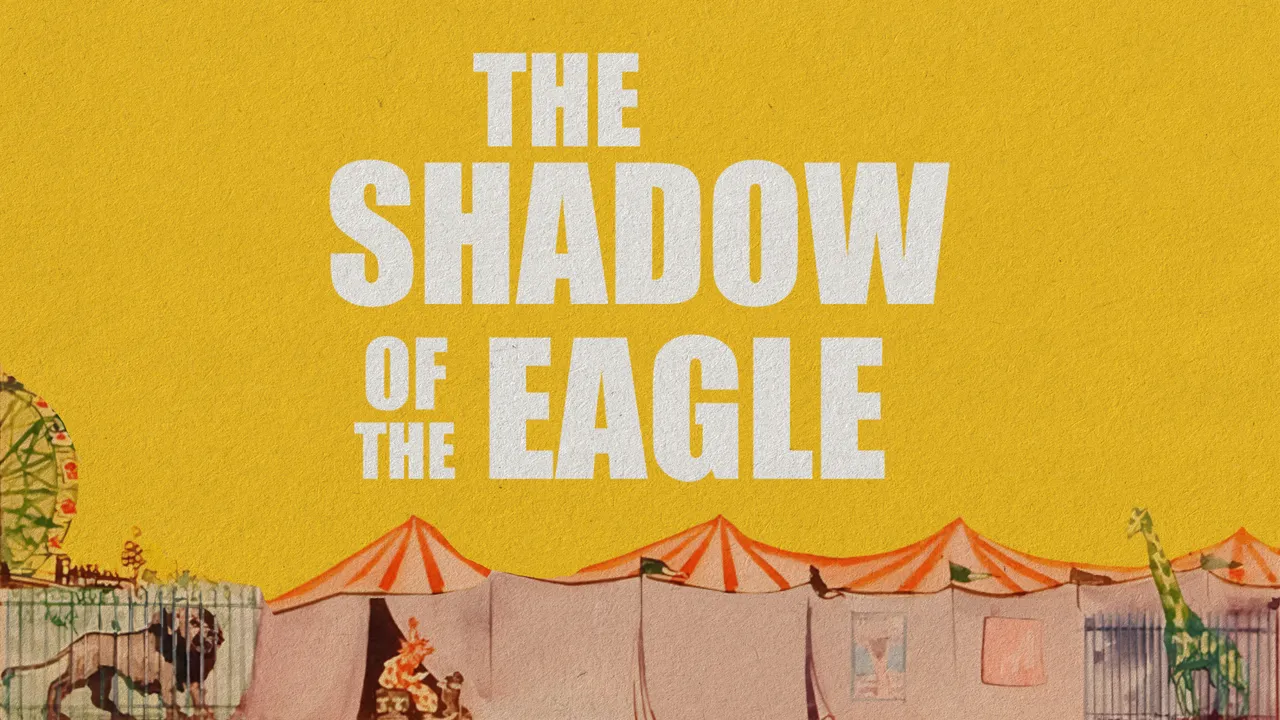
The Shadow of the Eagle (1932)
This was Wayne's first serial: a film released in weekly chapters, each ending on a cliffhanger so audiences came back. It runs 12 chapters for Mascot Pictures. A mystery villain called The Eagle sends threats by skywriting, and Wayne plays Craig McCoy, a carnival stunt pilot who sets out to unmask him.
Yakima Canutt plays a henchman named Boyle and doubled Wayne in a motorcycle stunt. Wayne admired his nerve, Canutt taught him to fall off a horse, and their partnership started here.
 Mystery
The Shadow of the Eagle
Ford Beebe · 1932 · 17 min
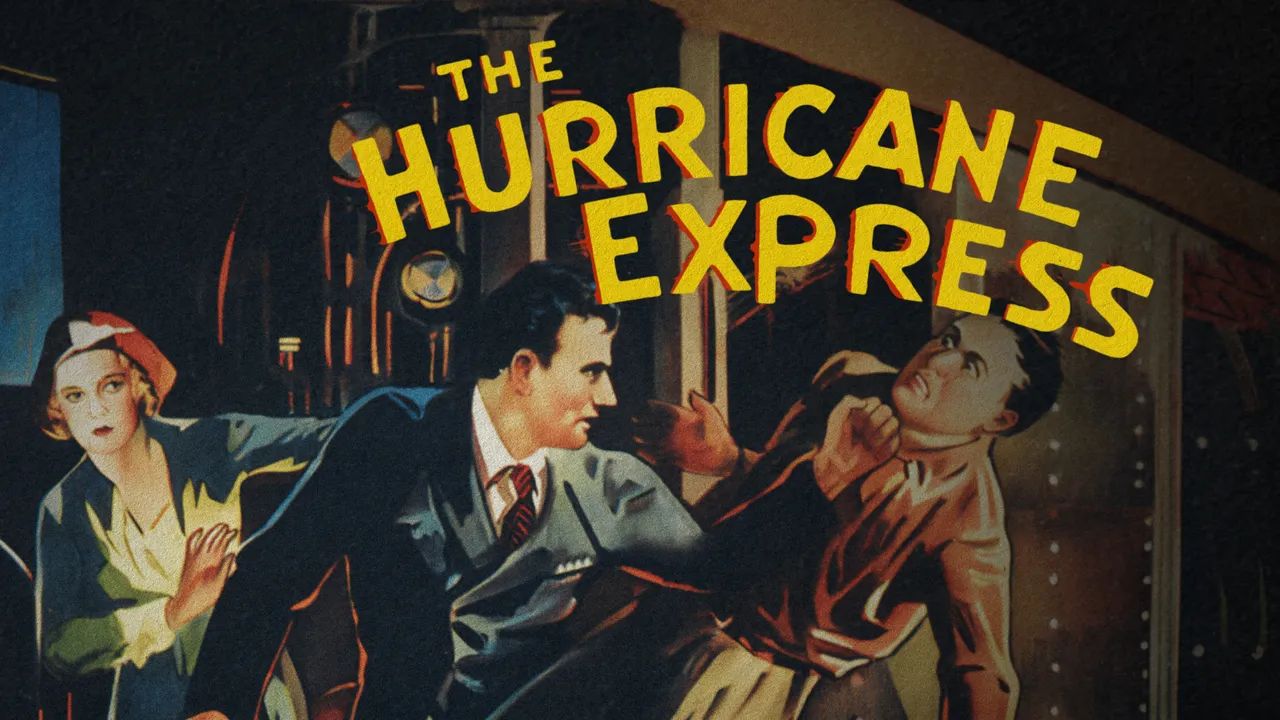
The Hurricane Express (1932)
Wayne's second Mascot serial is another 12 chapters, this time about trains. He plays Larry Baker, a pilot hunting a masked criminal called The Wrecker after his father dies in a train crash.
Wayne's career was stalled after The Big Trail, and he did most of his own stunts here, which helped fix him as an action star. Canutt is back, uncredited, as a henchman.
 Action/Adventure
The Hurricane Express
Armand Schaeffer · 1932 · 17 min
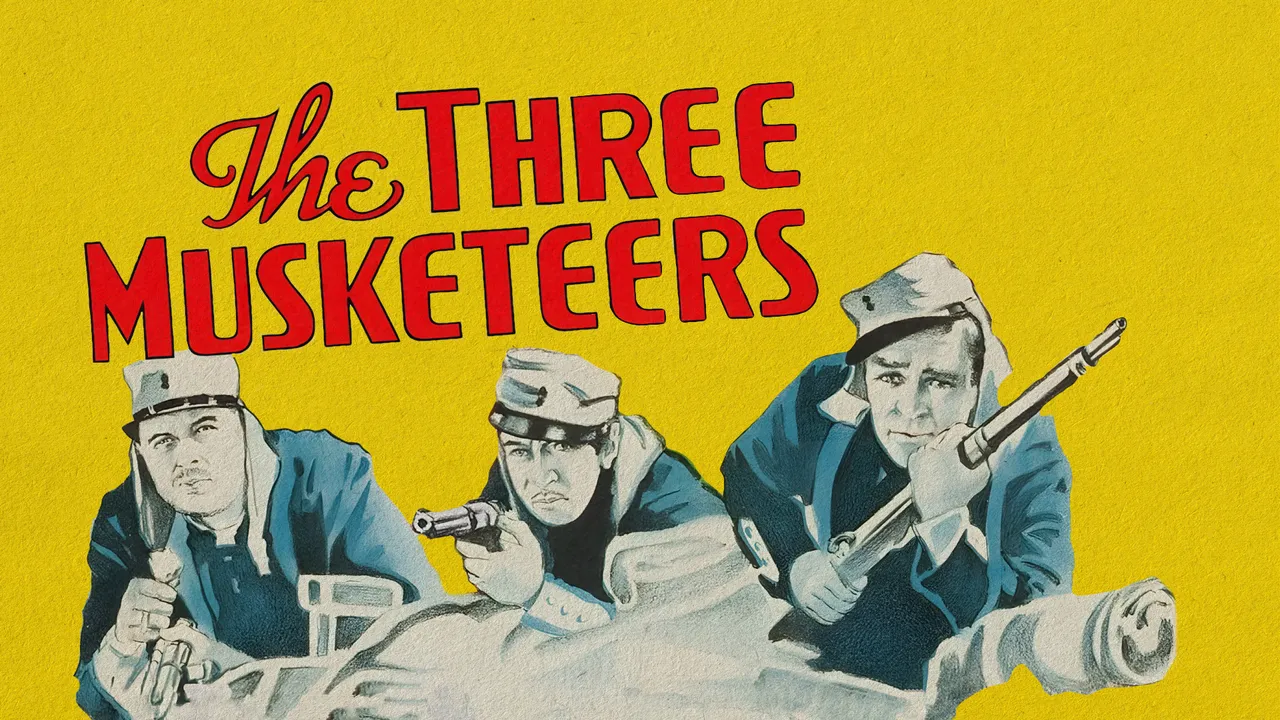
The Three Musketeers (1933)
Mascot moved Alexandre Dumas's swordsmen to the desert. The musketeers become French Foreign Legion soldiers, and Wayne plays Tom Wayne, an American pilot they adopt as their D'Artagnan.
Canutt staged the action with Ken Cooper and George Magrill, including Wayne tackling a horseman from a moving biplane. It was the last of Wayne's 3 Mascot serials. Within months he was starring in a series of his own.
 Action/Adventure
The Three Musketeers
Colbert Clark · 1933 · 16 min
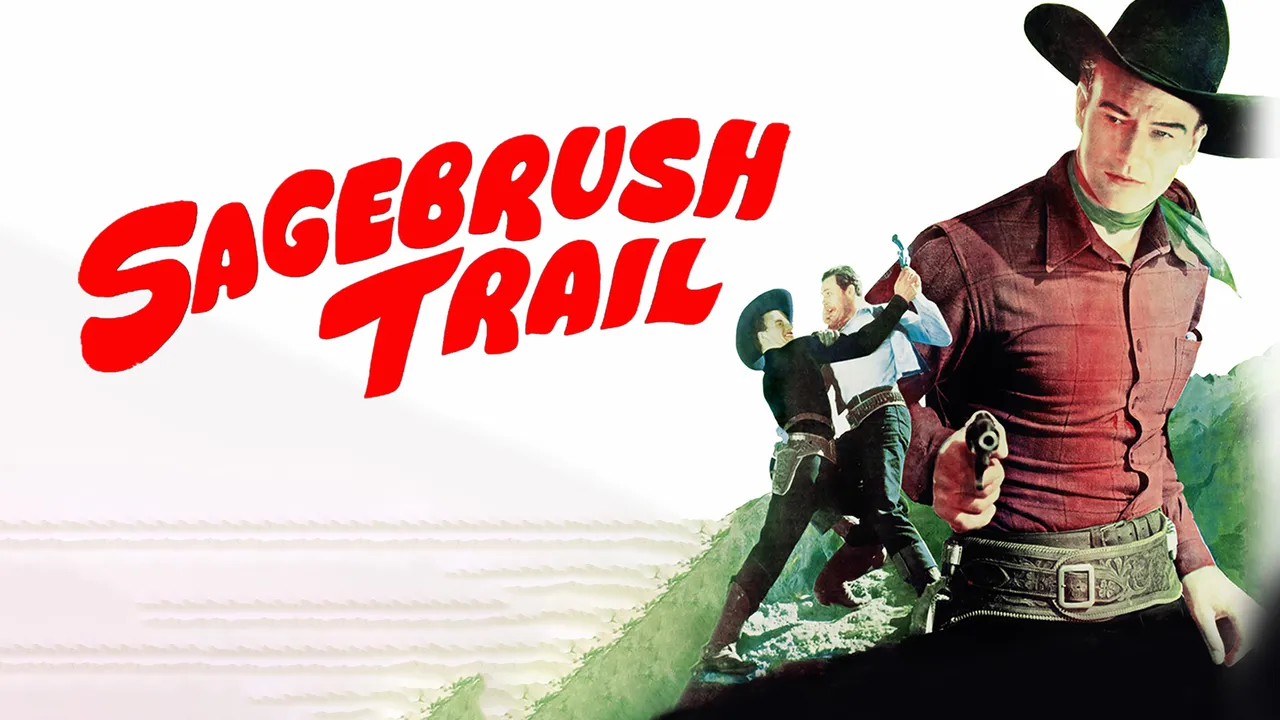
Sagebrush Trail (1933)
That series was Lone Star Productions, a small unit run by the producer Paul Malvern that made Wayne westerns for Monogram. Sagebrush Trail was its second film. Wayne plays John Brant, wrongly convicted of murder, who escapes from prison and heads west to find the real killer. TCM puts the budgets of these films at $10,000 to $12,000, with shoots of under two weeks.
Canutt plays the gang leader and did the hardest stunts himself, including climbing aboard a moving stagecoach. He later made a stagecoach stunt famous in Stagecoach (1939) itself.
 Western
Sagebrush Trail
Armand Schaefer · 1933 · 53 min
Blue Steel (1934)
Wayne plays John Carruthers, a drifter who uncovers a plan to starve a town of supplies so a crooked businessman can buy its land cheap. The actor George "Gabby" Hayes plays the sheriff, and Canutt plays the villain, the Polka Dot Bandit. AFI notes that Canutt also doubled for Wayne, so hero and bandit stunts came from the same man.
The director was Robert N. Bradbury, the man Wayne later credited with the "pass system": a camera angle that makes a punch that misses look like it lands. Other accounts say Wayne and Canutt worked it out between them, so the credit is still argued over.
Blue Steel
Robert N. Bradbury · 1934 · 54 min
The Man from Utah (1934)
This is the $12,000 picture. It was shot at Lone Pine, California, and released on 15 May 1934, the sixth of 16 Lone Star westerns. Wayne plays John Weston, a broke drifter who enters a crooked rodeo to find out who is killing its riders. The villains plant snake venom in his saddle.
The rodeo villain, Cheyenne Kent, is played by Canutt, who was a real rodeo star: All Around Cowboy at the Pendleton Round-Up in Oregon in 1917, 1919, 1920 and 1923. One scene has Wayne singing, with a dubbed voice.
The Man from Utah
Robert N. Bradbury · 1934 · 51 min
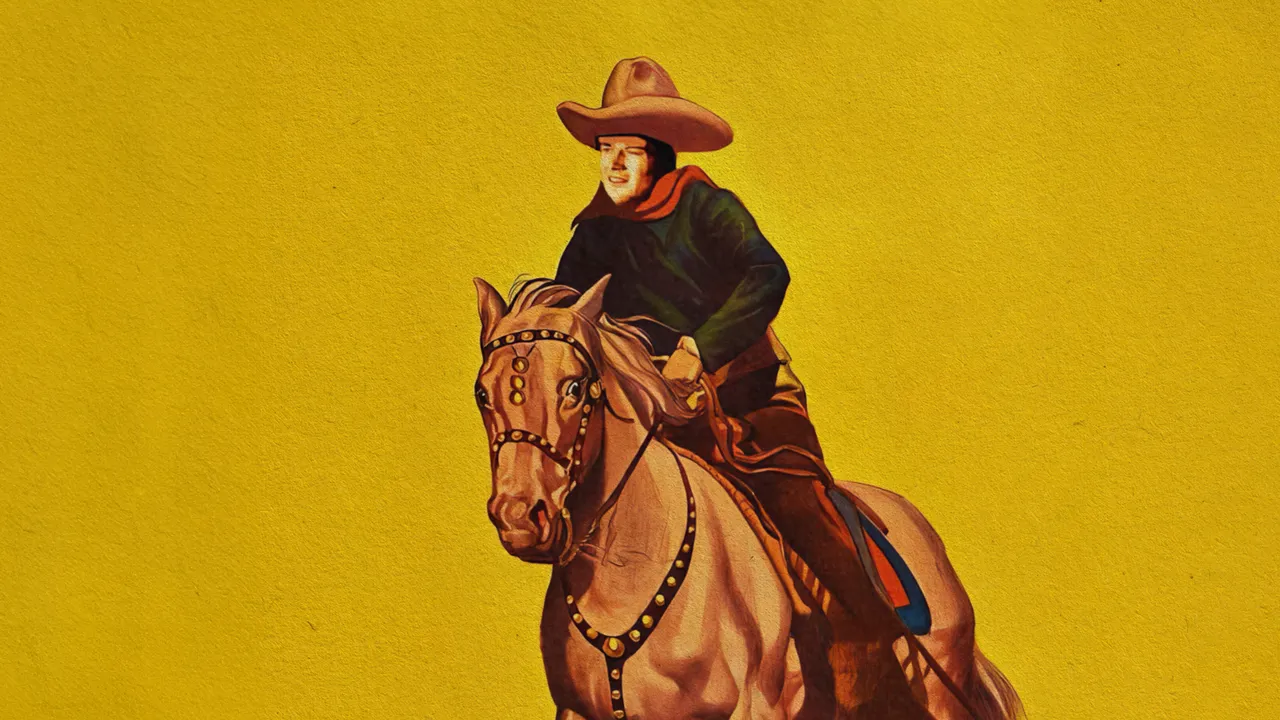
The Trail Beyond (1934)
Wayne plays Rod Drew, sent to find a missing girl, who ends up in a fight over a gold mine. The story comes from James Oliver Curwood's 1908 novel The Wolf Hunters, first filmed in 1926 and remade in 1949.
Noah Beery and his son Noah Beery Jr. co-star, billed at the time as their first film together. The cameraman was Archie Stout, who photographed Wayne in 27 pictures and shot Angel and the Badman 13 years later.
 Western
The Trail Beyond
Robert N. Bradbury · 1934 · 55 min
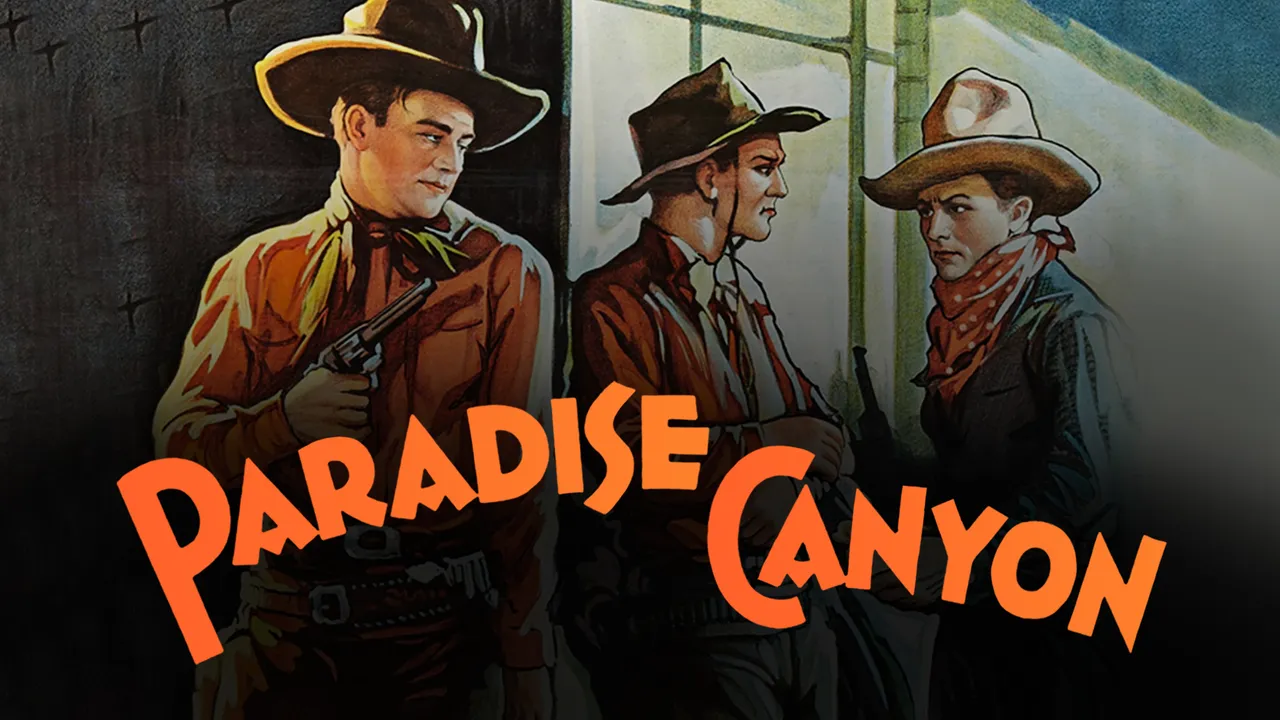
Paradise Canyon (1935)
Wayne plays John Wyatt, a government agent who joins Doc Carter's traveling medicine show to expose a counterfeiter, Curly Joe Gale. Canutt, as usual, is the villain. The director, Carl L. Pierson, had edited earlier films in the series, including Blue Steel and The Man from Utah.
It was the 16th and last Lone Star western. In 1935 Monogram and Mascot were folded into Republic Pictures, the new studio of Herbert J. Yates, and Wayne went with them.
 Western
Paradise Canyon
Carl Pierson · 1935 · 53 min
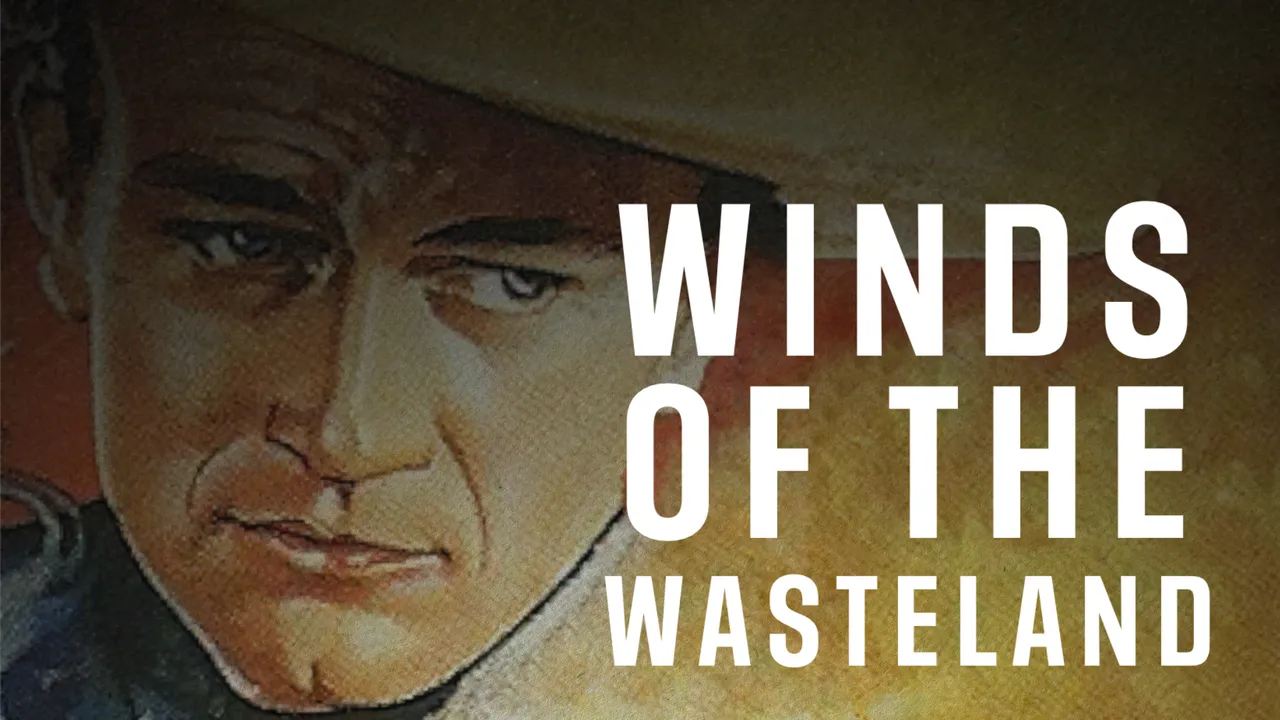
Winds of the Wasteland (1936)
Wayne plays Johnny Blair, a Pony Express rider put out of work by the telegraph. He and a friend start a stagecoach line and race a crooked rival for a government mail contract. The premise is real history: the Pony Express ran from April 1860 to October 1861 and shut down two days after the transcontinental telegraph was completed.
Canutt plays Smoky, and Jon Hall, in an early role, appears as a Pony Express rider.
 Western
Winds of the Wasteland
Mack V. Wright · 1936 · 52 min
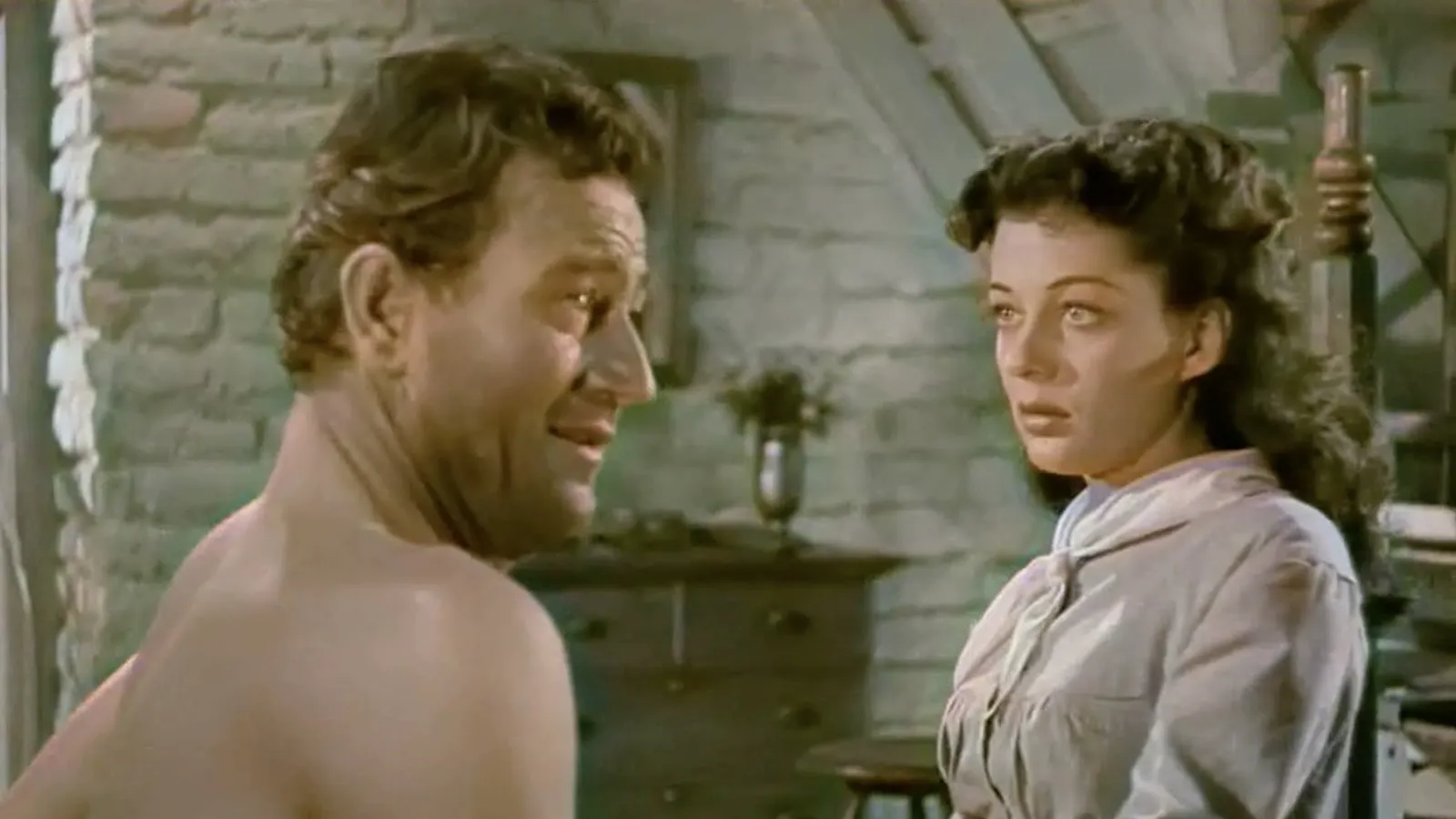
Angel and the Badman (1947)
By 1947 Wayne was a star, and this is the film where he took charge. It was the first feature from his own company and his first time as a producer at Republic. TCM says Yates, afraid of losing Wayne to bigger studios, let him produce. Wayne went on to produce 20 films.
Wayne plays Quirt Evans, a wounded gunman nursed by a Quaker family whose daughter Penelope, played by Gail Russell on loan from Paramount, turns him away from his gun. The writer James Edward Grant directed it, his first time behind the camera, and it was shot in Sedona, Arizona, and Monument Valley, Utah. The New York Times called it "a notch or two superior" to the usual western. TCM says it was not a big hit, likely because Wayne's fans found it short on action.
Angel and the Badman
James Edward Grant · 1947 · 99 min