Silent comedy movies: where Chaplin's Tramp and the "It girl" began
Harold Lloyd's glasses, Chaplin's first Tramp costume and the 1927 film that made Clara Bow the "It girl".
By Relay, Watch Guide · Saturday, November 21, 2026 · 6 min read
A silent comedy is a comedy made before films had recorded sound, so every laugh had to come from what the audience could see: a fall, a chase, a face, a perfectly timed gag. Much of it was slapstick, knockabout physical comedy. The word comes from a stage prop, two flat pieces of wood that made a loud slap when one performer hit another. Two of the era's best known creations started in films on this list. Charlie Chaplin first put on his Tramp costume for a Keystone short in 1914, and in 1927 Clara Bow became the original "It girl", "it" being a polite word for sex appeal.
Mack Sennett, who ran the Keystone studio and is often called the father of slapstick, built silent comedy on the chase, which he called the essence of his comedy. In 1949 the critic James Agee wrote Comedy's Greatest Era, a cover story for Life magazine that named Chaplin, Buster Keaton, Harold Lloyd and Harry Langdon the genre's four most eminent masters. Agee argued that once the screen began to talk, silent comedy was pretty well finished, and his essay is credited with reviving interest in the era. The influence runs long: Jackie Chan, the Hong Kong action star, has cited Keaton and Lloyd as his inspiration.
Relay has the 9 silent comedies below, from 1914 to 1928, and 4 of them are Harold Lloyd features.
What makes a silent comedy
- Gags you can see. Without dialogue, the joke lives in the body, the props and the timing.
- Real stunts. The stars climbed, fell and dodged for real.
- A chase. Cars, trolleys, horses and motorcycles: the finale is usually a race against time.
- A character the audience knows on sight. A tramp's bowler hat, horn-rimmed glasses, a stone face.
9 silent comedy movies to watch
The Freshman (1925)
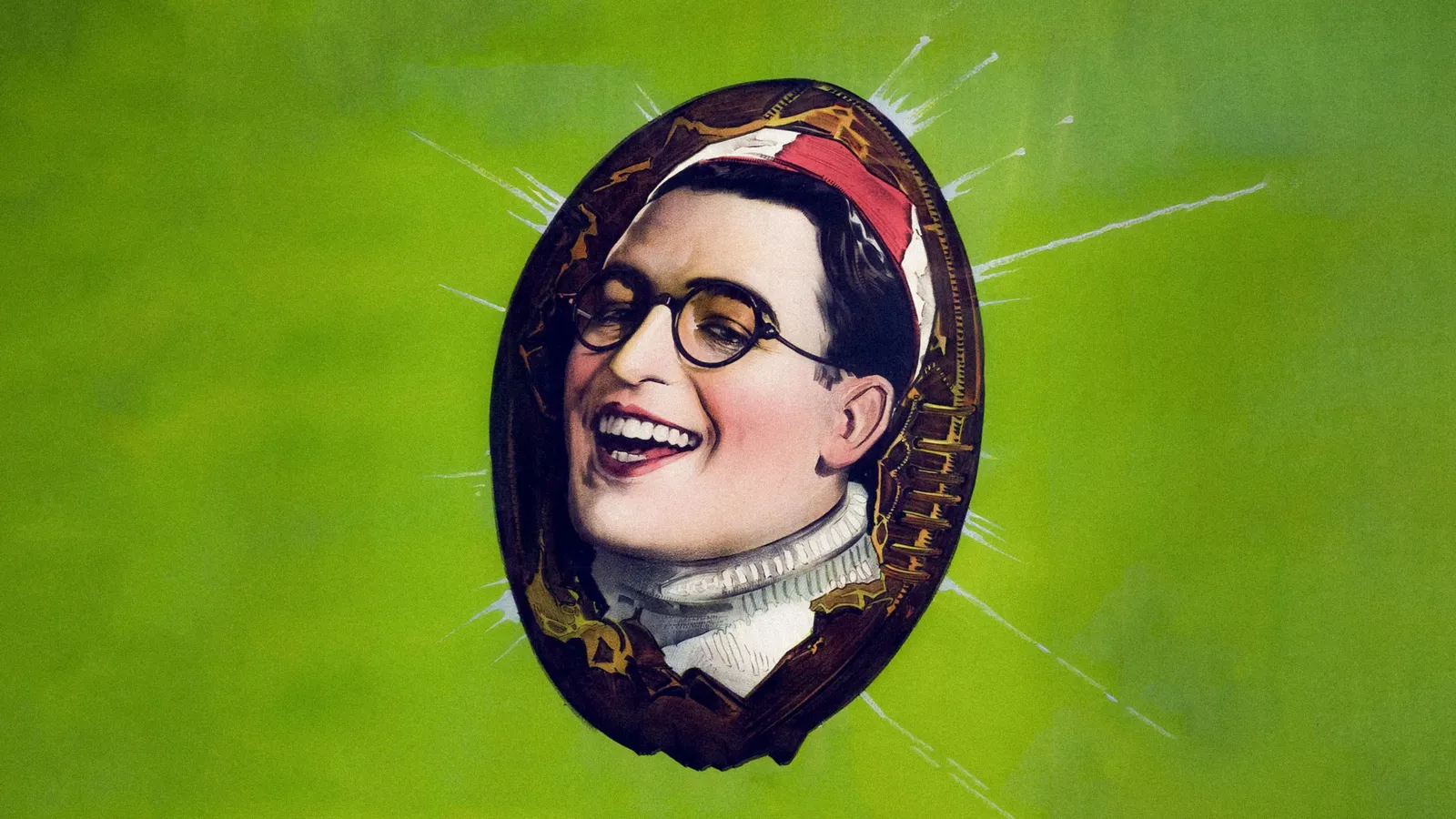
Harold Lloyd made nearly 200 comedies between 1914 and 1947 and became the highest-paid film performer of the 1920s. In 1917 he dropped an earlier tramp character, Lonesome Luke, for an everyday young man in horn-rimmed glasses with no lenses. Agee wrote that for plain laughter, few people have equaled him, and nobody has ever beaten him.
The Freshman puts that young man at college, desperate to be popular and willing to play football to get there. It was Lloyd's highest-grossing silent feature, and the Library of Congress says it set off a trend of college-based movie plots. The football game was shot at the Rose Bowl, and in 1947 Lloyd's last film, The Sin of Harold Diddlebock, reused the sequence and paid him a $50,000 royalty. In 1990 it joined the National Film Registry, the Library of Congress list of films preserved as part of American history.
The Freshman
Fred C. Newmeyer · 1925 · 75 min
Girl Shy (1924)
Girl Shy was Lloyd's first independent production, made after he split from Hal Roach, the producer who had turned him into a star. Harold is a shy tailor's apprentice who writes a how-to book called The Secret of Making Love. Lloyd called it a "character story" rather than a gag film, with more time for the romance with Jobyna Ralston.
Then comes the ending. Harold races across town to stop the woman he loves from marrying the wrong man, by car, truck, police car, fire truck, horse wagon and motorcycle. Film Forum quotes the critic Richard Schickel calling it "arguably the greatest chase in film history." Critics have traced the ending of The Graduate (1967) to it: a man arriving above the ceremony, against a large window, to save the bride.
Girl Shy
Fred C. Newmeyer · 1924 · 89 min
The Kid Brother (1927)
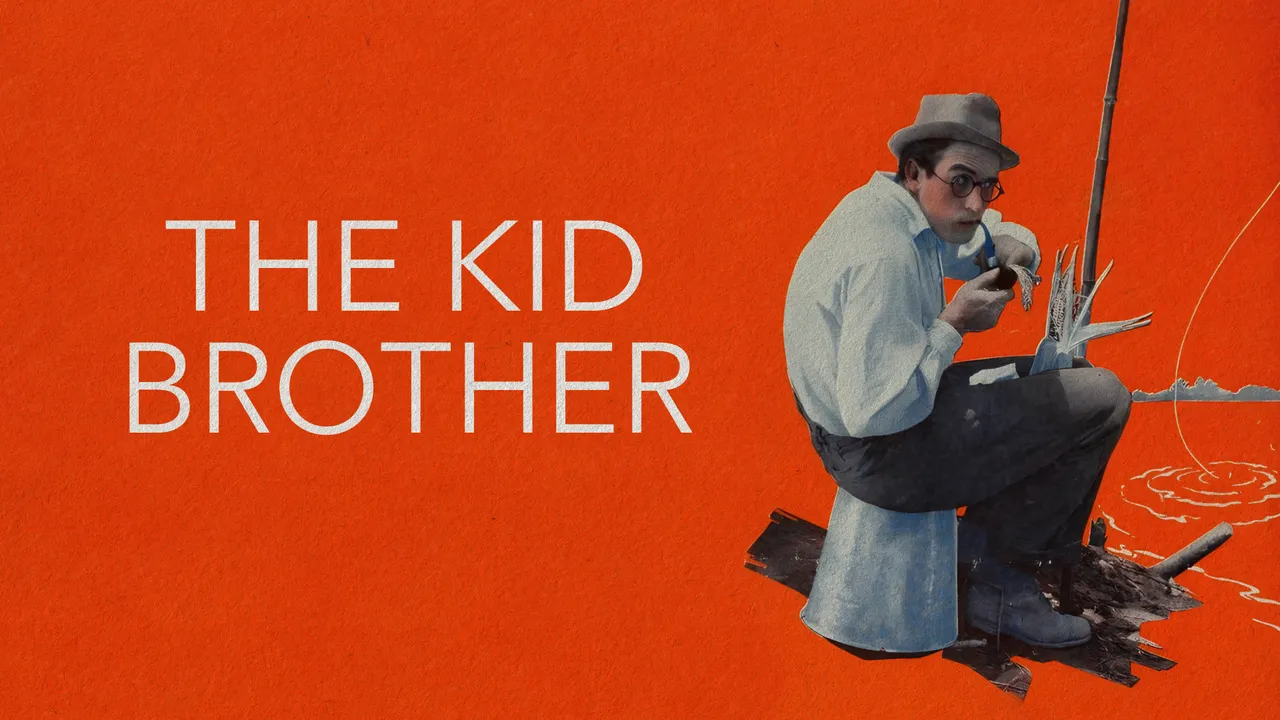
Harold is the timid youngest son of a tough family, and he has to outwit his stronger brothers to win a girl. Lewis Milestone, who went on to win the first Oscar for comedy direction, started the film and left; Ted Wilde, a gagman and friend of Lloyd, took over. TCM says the shoot took 8 months, longer than any other Lloyd film.
The climax plays out on a derelict ship, shot at Catalina Island aboard the Palmyra, an old ship Lloyd's company reportedly bought. His fame rests mostly on Safety Last and The Freshman, but many critics rate The Kid Brother among his very best.
 Comedy
The Kid Brother
Ted Wilde · 1927 · 82 min
Speedy (1928)
Speedy is a baseball fan who sets out to save New York's last horse-drawn trolley, owned by his girlfriend's grandfather, from railway interests. Lloyd shot much of it on location in 1927: Coney Island's Luna Park, the old Penn Station, the Queensboro Bridge and Yankee Stadium, with real Coney Island crowds.
Babe Ruth plays himself, a nervous cab passenger Speedy rushes to the stadium, filmed while Ruth was chasing his home-run record. Ted Wilde was nominated for best comedy direction at the first Academy Awards, a category dropped after that ceremony. It was Lloyd's last silent feature, and it now plays as a record of the city in 1927.
Speedy
Ted Wilde · 1928 · 85 min
It (1927)
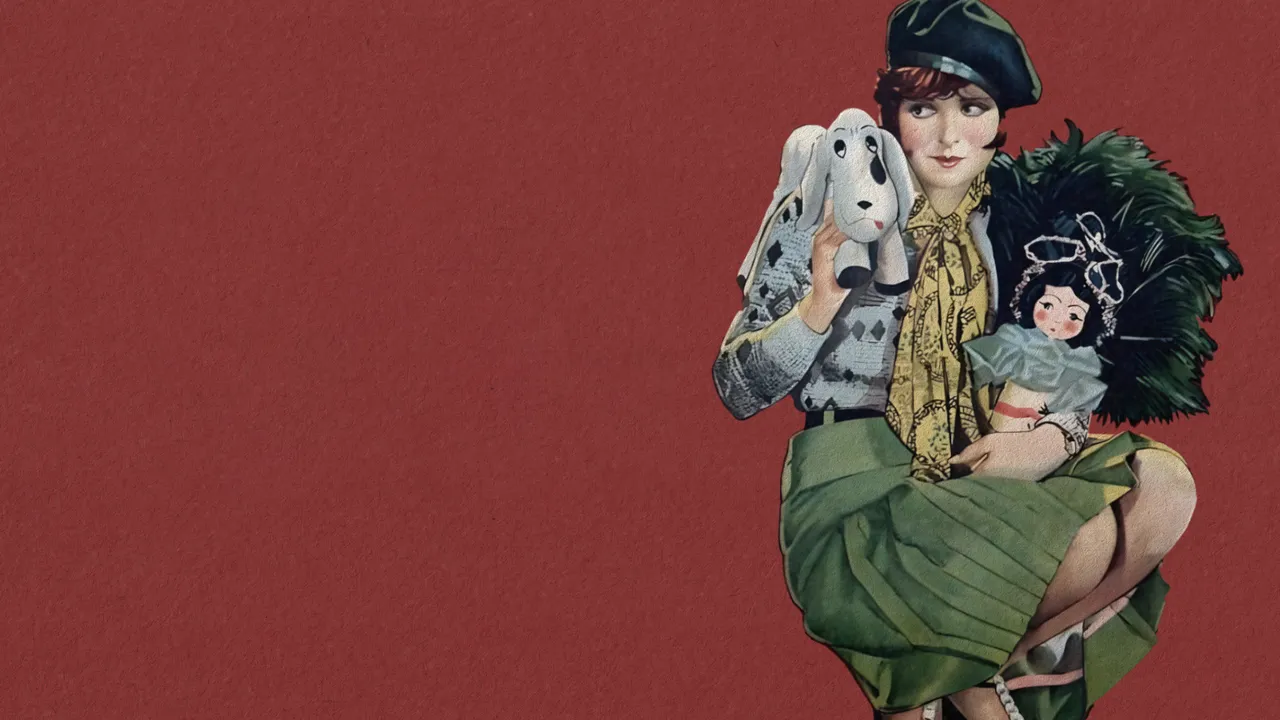
The title is a word the writer Elinor Glyn made famous. On the film's title cards she defines "it" as "that quality possessed by some which draws all others" by its magnetic force: in plain terms, sex appeal made stronger by self-confidence. Glyn wrote the story and appears in the film as herself, and Paramount paid her $50,000 to endorse it.
Clara Bow plays Betty Lou, a shopgirl who sets out to win the department store heir she works for. The role made Bow the original "It girl". A young Gary Cooper has a bit part as a reporter. It joined the National Film Registry in 2001.
 Comedy
It
Clarence Badger · 1927 · 74 min
Mabel’s Strange Predicament (1914)
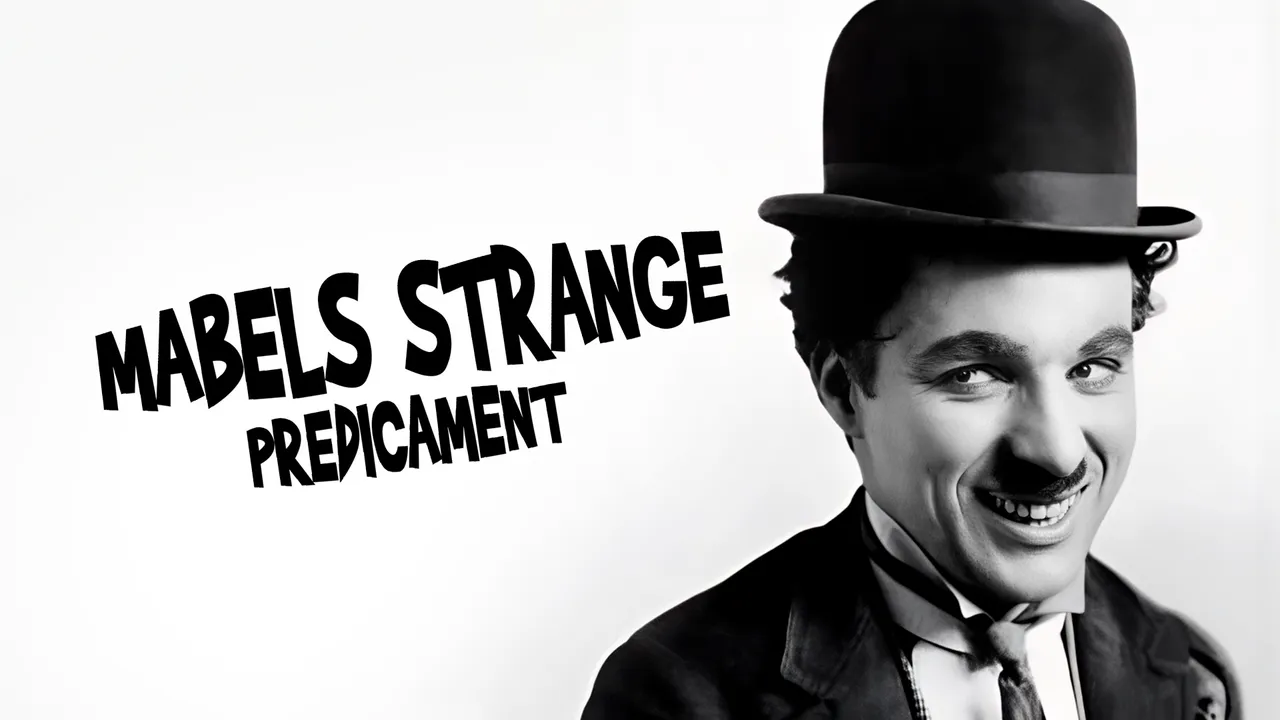
Mabel Normand was a Keystone star who also directed. Here she locks herself out of her hotel room in her pajamas and hides in a neighbour's room, and the misunderstanding turns into a brawl. Chaplin plays a drunk, and this was the first film in which he wore the Tramp costume. It was shot first but released on 9 February 1914, two days after Kid Auto Races at Venice, where audiences first saw the character.
In his autobiography Chaplin wrote that once he was dressed, the clothes and make-up made him feel the person he was, and the Tramp was "fully born." Who directed is disputed: Chaplin's office credits Normand, and the writer and filmmaker Jon Boorstin argues she shaped the Tramp's first scenes.
 Comedy
Mabel’s Strange Predicament
Mabel Normand · 1914 · 12 min
The Wizard of Oz (1925)
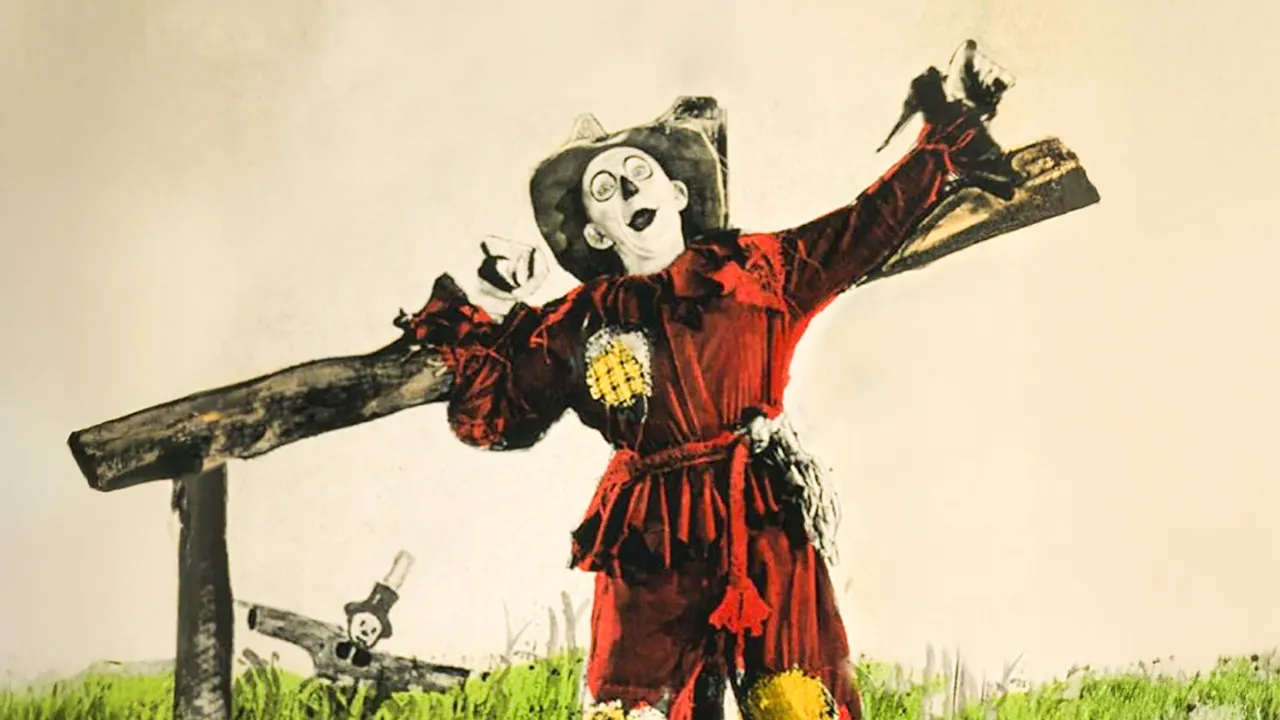
Larry Semon, a slapstick star once compared to Chaplin, directed and starred in this version. Dorothy, about to turn 18 in Kansas, is declared Queen of Oz, and three farmhands become the Scarecrow, Tin Woodman and Lion. The Tin Woodman is Oliver Hardy, years before he teamed with Stan Laurel.
The film helped start Semon's decline. Its company, Chadwick Pictures, went bankrupt around the release, and many theaters that had booked it never received a print. Semon filed for bankruptcy in March 1928 and died later that year at 39.
 Action/Adventure
The Wizard of Oz
Larry Semon · 1925 · 71 min
Steamboat Bill, Jr. (1928)
Buster Keaton, the stone-faced star who did his own stunts, plays the Boston-educated son of a riverboat captain. The planned finale was a flood, but after the 1927 Mississippi River flood his producer Joseph Schenck made him drop it, so the film ends in a cyclone. In it, a house front weighing about 4,000 pounds falls on Keaton, who stands on a nail marking the spot where an open attic window passes around him. Keaton recalled 3 inches of clearance.
It was the last film Keaton made as an independent producer before his move to MGM, and it flopped on release. Critics have traced the falling facade gag into Jackie Chan's Project A Part II. More of Keaton's films are in his spotlight.
Steamboat Bill, Jr.
Charles Reisner · 1928 · 69 min
The Cameraman (1928)
Keaton's first film under contract to MGM. He plays a street tintype photographer who tries to become a newsreel cameraman to win a secretary in the newsreel office. Test audiences rejected his character abandoning his camera, so part of the climactic chase was reshot as a Chinatown street war.
The film was once nearly lost. A print turned up in 1968, a much better one in 1991, and the two were combined. MGM's writing department reportedly used it for decades to train new writers.
The Cameraman
Edward Sedgwick · 1928 · 75 min