Silent horror movies: a hand transplant, wolf blood and a dinosaur
A pianist with a killer's hands, a logger with wolf blood and a Chaney spook comedy. Six films from before sound.
By Relay, Watch Guide · Thursday, October 29, 2026 · 5 min read
A silent horror film is a scary picture made before talking pictures took over, a change that was largely finished in Hollywood by around 1929. There was no scream on the soundtrack. The fear had to come from a face, a shadow or a set, and that is why these films still feel strange.
They matter because the genre's tools were made here. Critics see the influence of German Expressionism in Universal's 1931 Dracula, which was shot by the cameraman Karl Freund. The idea of a star who builds his own monster, the haunted house that turns out to be a mystery and the surgeon who should not be trusted all appear in the films below. Most of this era is gone: a Library of Congress study found that 70% of American silent features from 1912 to 1929 are believed lost. Relay has 25 films from 1930 or earlier tagged horror, monster, supernatural or gothic, and these six are among the ones that survived.
What makes a silent horror film
- It uses the image, not the sound. Shadows, make-up, strange sets and acting built for the camera do the frightening.
- It borrows from the stage. Several of these films began as plays or novels, and many are mysteries first and horror second.
- It often mixes in a laugh. Audiences of the 1920s liked to be scared and reassured in the same evening.
"Expressionism" comes up below. It is the German style of exaggerated, nightmarish staging and acting, and it shaped how horror looked for decades.
6 silent horror movies to watch
One Exciting Night (1922)
D. W. Griffith, the director of The Birth of a Nation and Intolerance, made this partly to save his struggling studio in Mamaroneck, New York. He first tried to buy the rights to the hit play The Bat, then wrote his own story under the pen name Irene Sinclair.
The result is an old dark house mystery, a story of murders in an isolated, spooky mansion, with comedy and a violent storm at the climax. At an early preview in Derby, Connecticut, neighbours complained about the noise of laughter and applause. A critic today argues the old dark house craze was already under way, with stage hits like The Bat and The Cat and the Canary before it.
One Exciting Night
D.W. Griffith · 1922 · 144 min
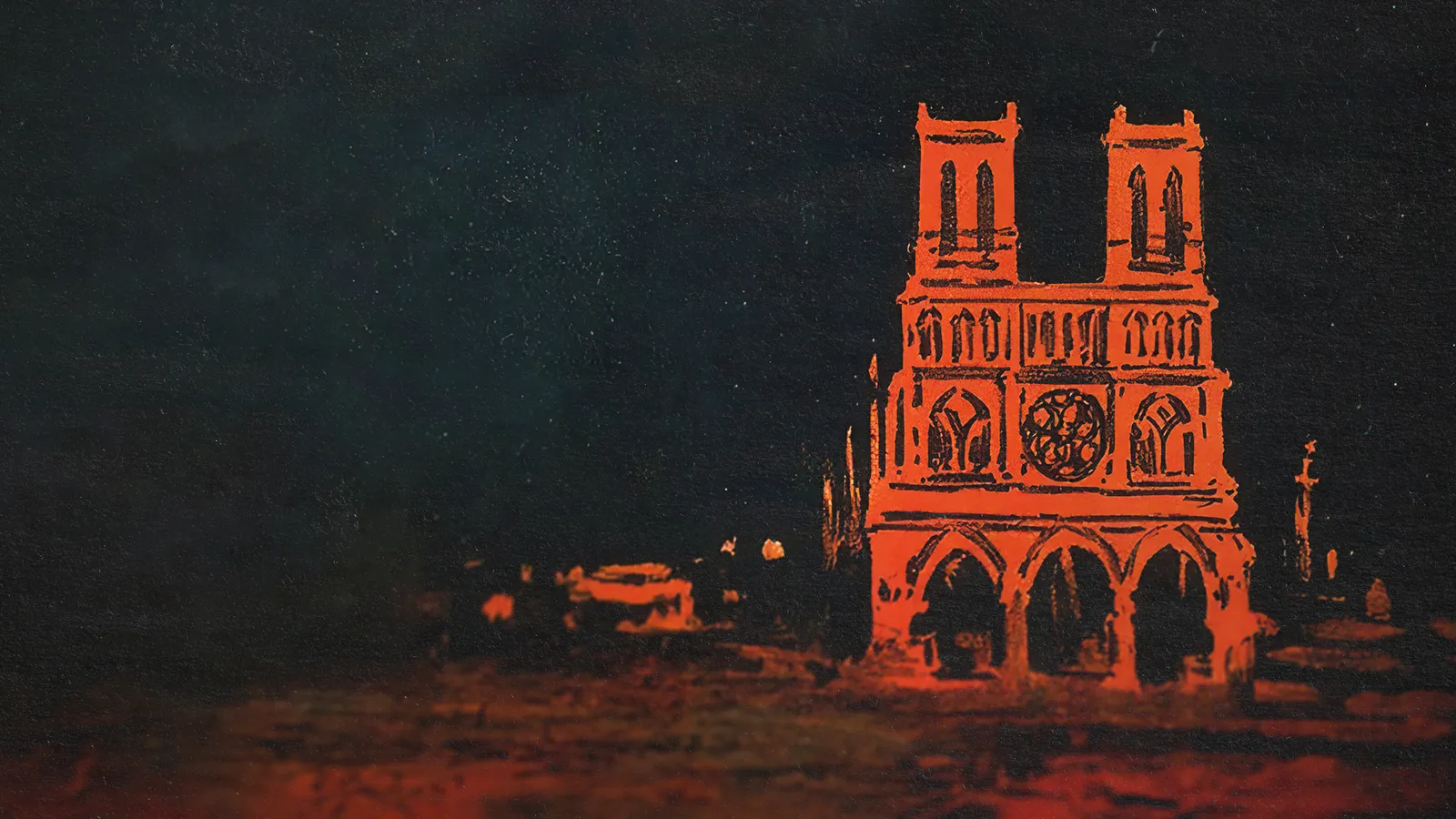
The Hunchback of Notre Dame (1923)
Universal spent more than $1,250,000 on this film, one of the most expensive silent pictures, and rebuilt Notre Dame cathedral and the streets of medieval Paris on its lot. Wallace Worsley directed.
Lon Chaney, the silent star described as one of the first true horror stars, plays Quasimodo in what is more a gothic tragedy than a scare machine. He strapped on an enormous plaster hump and wore make-up and prosthetics he designed himself. Mental Floss calls it a 1923 blockbuster for the studio that went on to define the American horror movie, and critics have traced its influence on later horror such as The Phantom of the Opera.
The Hunchback of Notre Dame
Wallace Worsley · 1923 · 108 min
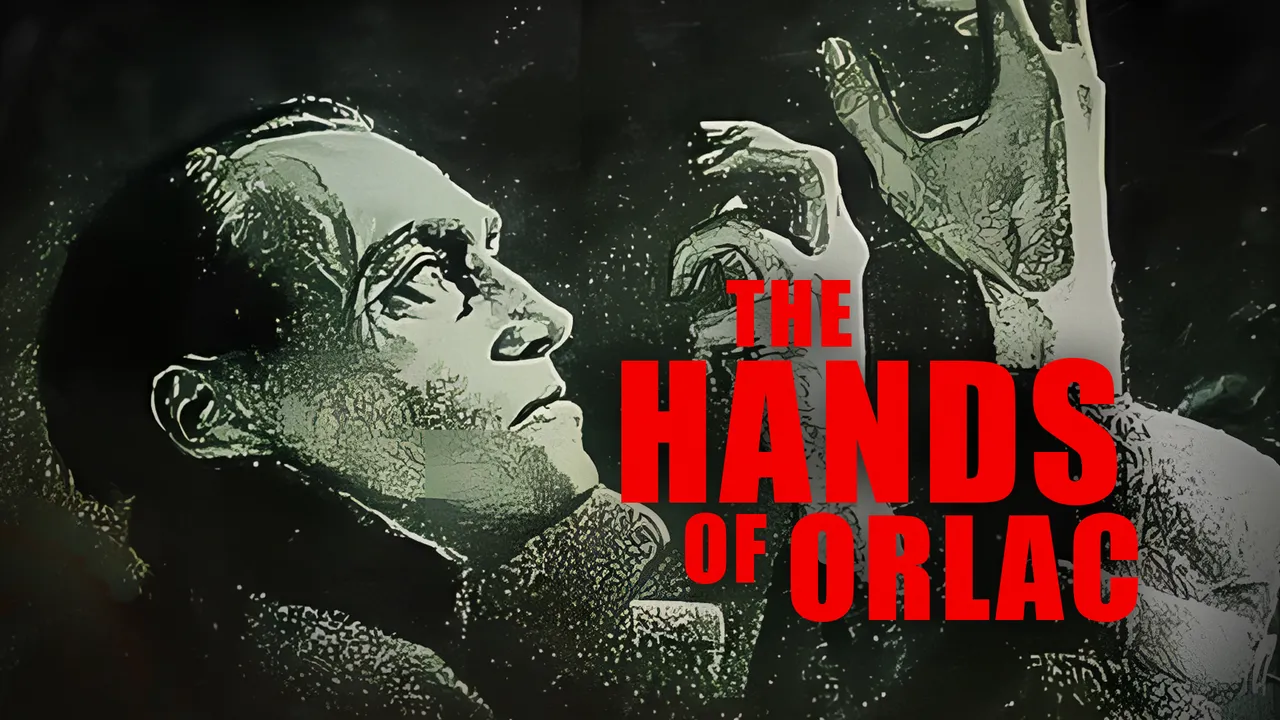
The Hands of Orlac (1924)
Robert Wiene directed The Cabinet of Dr. Caligari, often cited as a landmark of horror cinema. Here he reunites with Conrad Veidt, the German actor who played the sleepwalking killer in Caligari. Veidt is Paul Orlac, a concert pianist who loses his hands in a train crash.
A surgeon grafts on the hands of an executed murderer, and Orlac comes to fear he has inherited the killer's violent urges. Unlike Caligari, it has no nightmare city of distorted sets; its Expressionism lives in the motifs and performances. Paste calls it one of the first classics of body horror, horror about the body betraying its owner, and links it to Cronenberg's Shivers and Rabid. It was filmed again as Mad Love in 1935, directed by Karl Freund, the cameraman on Dracula.
 Crime
The Hands of Orlac
Robert Wiene · 1924 · 110 min
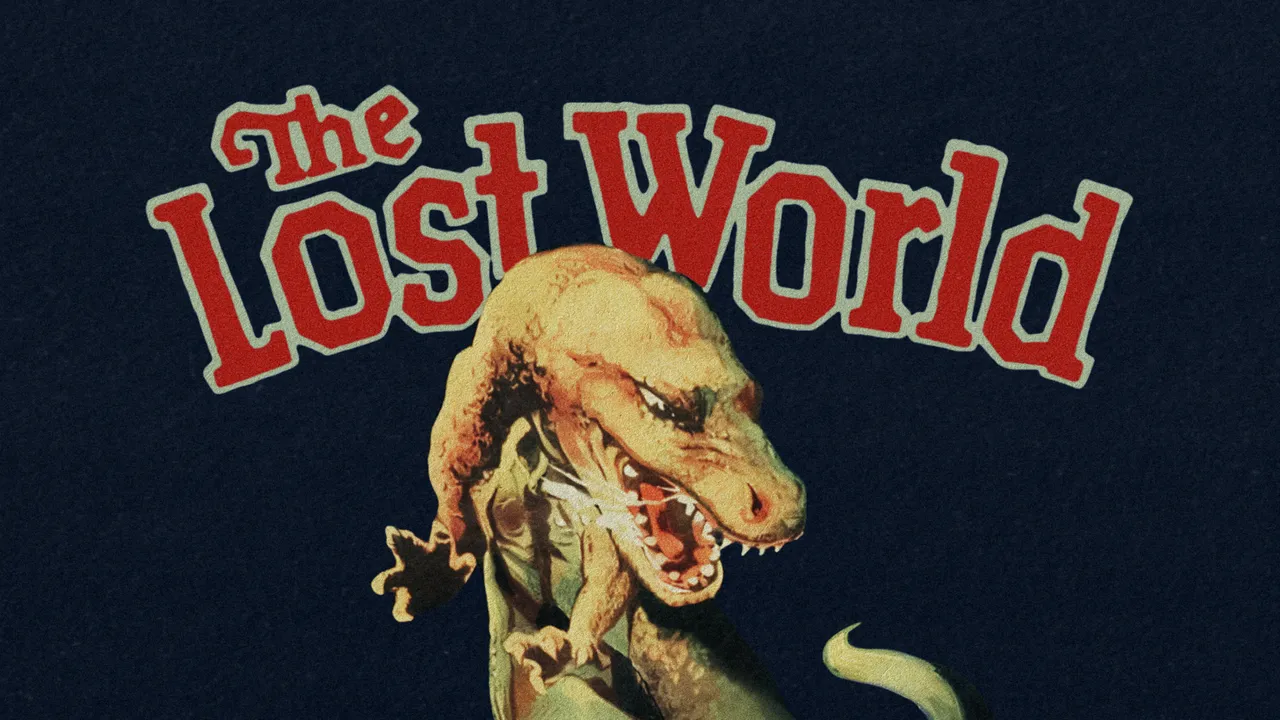
The Lost World (1925)
Arthur Conan Doyle, the author best known for Sherlock Holmes, wrote the 1912 novel about an expedition that finds prehistoric animals alive on a plateau. The film's dinosaurs came from Willis O'Brien, a stop-motion pioneer who animated models frame by frame and later made the effects for King Kong in 1933.
It is a creature feature more than a ghost story, and one of the first full-length features to combine stop-motion with live actors. Library of Congress writer Brian Taves says its influence on King Kong is readily apparent: both find prehistoric life in a lost region and end with a primitive monster loose in a modern city. Conan Doyle himself showed O'Brien's test footage to audiences without saying how it was made. The Library of Congress added the film to the National Film Registry in 1998.
 Action/Adventure
The Lost World
Harry O. Hoyt · 1925 · 92 min
The Monster (1925)
Roland West, a theater director who later made The Bat Whispers, turned a Broadway play by Crane Wilbur into this MGM spook comedy. Lon Chaney plays Dr. Ziska, a deranged surgeon who takes over an abandoned sanitarium and experiments on hostages. He has top billing but limited screen time.
The hero is Johnny Goodlittle, a clerk with a mail-order detective diploma who investigates a missing farmer partly to impress a girl. Reviewer Dennis Schwartz calls the film a rarely seen old dark house picture and an early mad scientist story, with comedy and suspense in the same scenes.
The Monster
Roland West · 1925 · 79 min
Wolfblood (1925)
Dick Bannister runs a logging crew in Canada. Rival loggers stab him and leave him for dead, and a doctor saves him with a transfusion of wolf blood. Then Bannister starts to dream of wolves, a rival is found torn apart, and the camp wonders whether he is a werewolf.
George Chesebro, an actor who later played villains in Roy Rogers westerns, directed and stars, sharing the direction with Bruce M. Mitchell. The film is tinted green for forests, blue for night and red for the dream. Critics say it has little real horror, and no transformation ever happens. Werewolves were hardly seen in silent film, and an earlier 1913 short called The Werewolf is lost, so this may be the earliest werewolf film that survives.
Wolfblood
Bruce Mitchell · 1925 · 67 min
Where to go next
- For the wider era, see Silent Films.
- For the monster that came out of this tradition, see Vampire Movies.