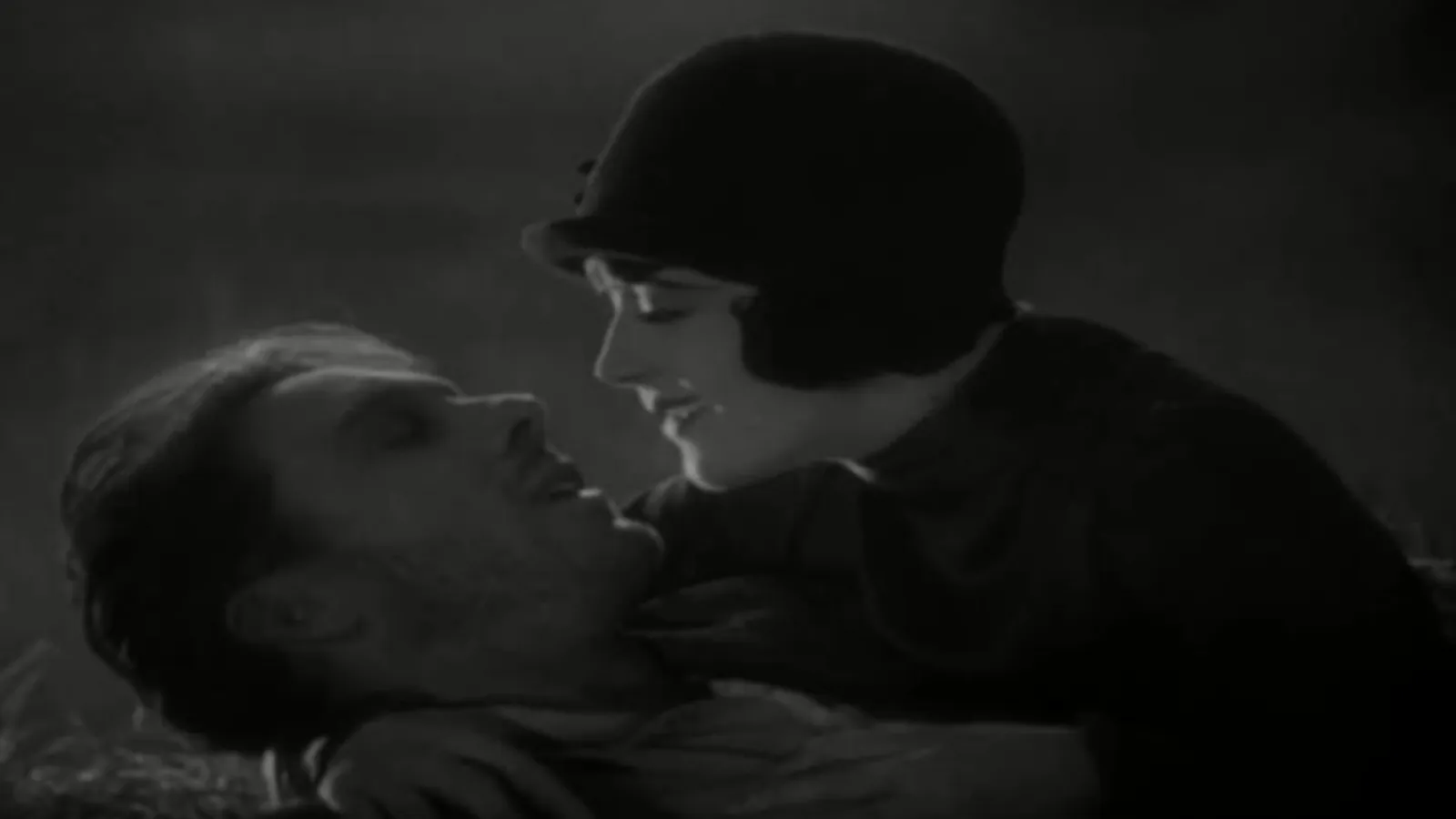
The Oscar given only once went to this 1927 silent film
Sunrise (1927) won Unique and Artistic Picture at the first Oscars, a top prize the Academy dropped after one year.
By Relay, Movie Spotlight · Monday, November 23, 2026 · 3 min read
Sunrise was made in 1927 by F. W. Murnau, a German director the Fox studio brought to Hollywood (see our Murnau spotlight), and it won an Oscar that was never given again. The first Academy Awards, held on 16 May 1929 at the Hollywood Roosevelt Hotel, gave two top film prizes. Outstanding Picture went to Wings, a First World War epic. Unique and Artistic Picture went to Sunrise. By the 1930 ceremony the second prize was gone, and the Academy's history now counts Wings alone as the first Best Picture.
The film itself has lasted better than its prize. In the BFI's 2022 Sight and Sound poll, critics ranked it the 11th greatest film ever made.
It tells a simple story. A farmer is drawn into an affair with a woman visiting from the city, who wants him to drown his wife and come away with her. Nobody has a name: the cast is credited as The Man, The Wife and The Woman From the City. The story came from The Excursion to Tilsit, a short story by the German writer Hermann Sudermann, adapted by Carl Mayer, Murnau's regular screenwriter.
What did the first Oscars give it?
Three awards. Besides the artistic prize, Charles Rosher and Karl Struss won the first cinematography Oscar for shooting it. Janet Gaynor, who plays The Wife, won the first Best Actress Oscar, an award that also covered two other films she made that year, 7th Heaven and Street Angel. Rochus Gliese, the production designer, was nominated for art direction.
TCM, the classic film channel, calls Sunrise the last great achievement of silent cinema before sound took over. It premiered on 23 September 1927, about two weeks before The Jazz Singer.
How did a German director make it in Hollywood?
William Fox, the head of the Fox Film Corporation, saw Murnau's German film The Last Laugh and brought him to Hollywood. Fox wanted prestige, and he offered Murnau near total creative and financial freedom. Sunrise was the first film Murnau made in America.
Gliese used that freedom to build a whole city indoors. He used forced perspective, a trick of scale: houses at the back of the set were built smaller than those in front, and children and little people dressed as adults filled the background so the streets looked deeper. The San Francisco Silent Film Festival says the city set cost $200,000, nearly the whole budget of a typical film of the day.
The camera moved as freely as the sets allowed. For one walk through a marsh, the crew hung the camera from tracks in the studio ceiling so it could follow the actors. The film was also released with a synchronized music score and sound effects, recorded with Fox's new Movietone system, which printed sound on the film itself. Theaters that could not play it showed a silent version.
Did audiences come?
Not in the numbers Fox hoped. The BFI calls Sunrise a commercial flop, and after it Fox pushed Murnau to keep the cost and scale of his next films down.
Later, both original negatives were lost in a 1937 fire at a Fox storage facility in New Jersey. Restorations have been rebuilt from surviving prints, including a 1936 print that still carried the Movietone track.
Who is it for?
It suits anyone curious about how films told stories before dialogue, and about what Hollywood made when a studio handed a director almost unlimited means. It is a love story with a near murder at its centre, told almost entirely in pictures. It runs 95 minutes and streams on Relay, one of four Murnau films there with Nosferatu, The Last Laugh and Faust. For more from the same era, see Silent films and the Fox Film Corporation.
Sunrise
F.W. Murnau · 1927 · 95 min