The pioneer of film storytelling who made a racist epic
D.W. Griffith shaped how movies tell stories and made The Birth of a Nation. Relay has more than a dozen of his films.
By Relay, Filmmaker Spotlight · Monday, November 23, 2026 · 3 min read
D.W. Griffith was an American silent film director who helped shape how movies tell stories, and the maker of The Birth of a Nation (1915), a racist epic that glorified the Ku Klux Klan. The director Cecil B. DeMille said Griffith did not invent the close-up or cross-cutting, which switches between two scenes, but was the first to realise their dramatic value. Lillian Gish, the actress who became his best known lead, called him "the father of film."
The Birth of a Nation shows the Klan as heroes and Black characters as predators and thugs, with white actors in blackface in major Black roles. The NAACP, the civil rights organisation, protested it from its first showings, and the revived Klan used it to recruit, as our banned movies list sets out. In 1941 Griffith said it should be withheld from public exhibition in its present form. In 1999 the Directors Guild of America, the directors' union, took his name off its most prestigious award. Its president, Jack Shea, called him "a brilliant pioneer filmmaker" who "helped foster intolerable racial stereotypes." Relay has more than a dozen of his films.
Who was D.W. Griffith?
He was born in Kentucky in 1875, the son of a Confederate Army officer. He began acting in films in 1907 and soon had a job at the Biograph Company, where he directed more than 400 short films between 1908 and 1913.
The Museum of Modern Art says one of them, The Musketeers of Pig Alley (1912), set among New York street gangs, is often identified as the first gangster film. Just before The Birth of a Nation he made The Avenging Conscience, an Edgar Allan Poe horror.
What did he make after The Birth of a Nation?
Intolerance (1916) came next, and critics describe it as partly his answer to the outcry. It weaves four stories across history, from ancient Babylon to a poor modern couple, linked by Gish rocking a cradle. In 1989 it was among the first films chosen for the National Film Registry, the Library of Congress list of American films kept for preservation.
The British War Office approached him to make Hearts of the World (1918), and Gish later wrote that its German brutality bordered on the absurd. The Girl Who Stayed at Home (1919) follows a young man who dodges the draft.
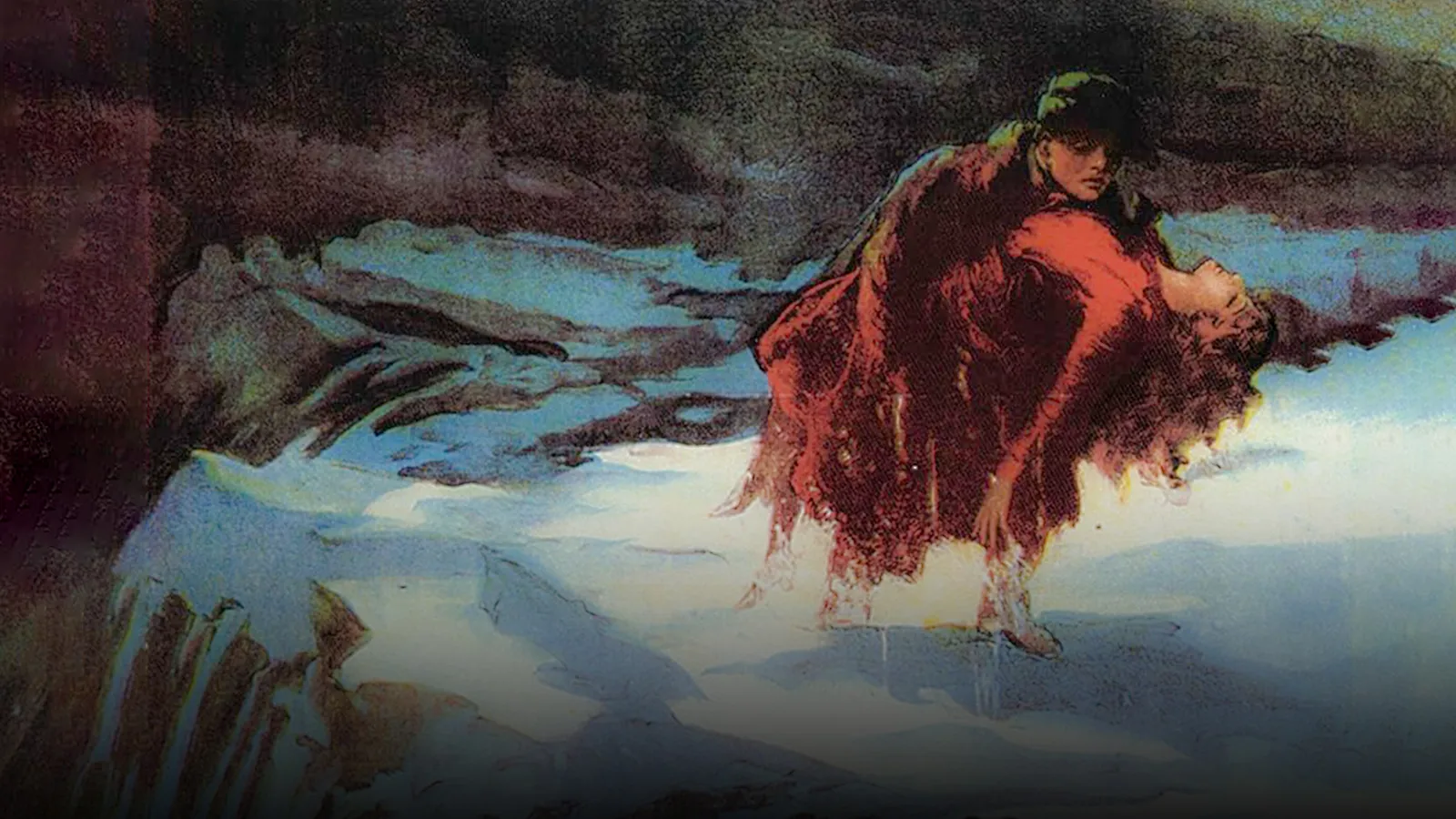
Way Down East (1920) was his last major box office hit. Gish plays a country girl tricked into a sham marriage. For the climax, a rescue on the ice, the crew sawed a frozen Vermont river into floes in March 1920 and Gish lay on one as it drifted, and reviewers noted audiences rising from their seats.
Way Down East
D.W. Griffith · 1920 · 148 min
Orphans of the Storm (1921) was the last Griffith film with both Gish sisters, as orphans caught in the French Revolution. The Idol Dancer (1920) was the last film of the young actress Clarine Seymour, who died weeks after it opened.
What came at the end of his career?
Isn't Life Wonderful (1924), shot partly in Germany, follows a refugee family growing potatoes through postwar hunger. The film historian William K. Everson called it one of the screen's first major works of social comment. Sally of the Sawdust (1925) put the comedian W.C. Fields on film in his stage role as a juggling con man, 11 years before he played it again in a talkie. The Sorrows of Satan (1926), from a bestselling 1895 novel, was taken out of his hands and re-edited after he finished.
D.W. Griffith's Abraham Lincoln (1930), with Walter Huston as Lincoln, was the first of his two sound films. After the second, The Struggle (1931), failed, he stopped directing and spent his last 15 years unable to find work in film. He died in a small Los Angeles hotel in 1948.
What to watch first
Start with Way Down East for the ice floe, then Intolerance for its scale.