The Metropolis director who shaped spy films and film noir
Fritz Lang made Metropolis, then spy thrillers and Hollywood noir. Relay has six of his films, from 1921 to 1945.
By Relay, Filmmaker Spotlight · Monday, November 9, 2026 · 3 min read
Fritz Lang was a Vienna-born director who made Metropolis, the 1927 silent science fiction epic, and then helped set the pattern for two kinds of film still made today: the spy thriller and film noir. Critics say the influence of Metropolis cannot be overstated, and the BFI's Geoff Andrew called his 1931 M the "blueprint for the serial killer movie."
Relay has six films he directed, from a 1921 fable about Death to the dark crime films he later made in Hollywood.
Who was Fritz Lang?
He was born in Vienna on 5 December 1890. He served in the Austrian army in the First World War and began writing film scripts while recovering from his wounds. He married Thea von Harbou, a novelist and screenwriter who co-wrote his biggest German films.
Lang later said that in 1933 Joseph Goebbels, the Nazi propaganda minister, summoned him and offered him a top film job, and that he left Germany soon after. Historians doubt the story, and his passport shows trips in and out of Germany through that year. He made 22 features in a 20-year American career, from Fury in 1936 to his last two, While the City Sleeps and Beyond a Reasonable Doubt, both in 1956. In 1963 he played himself in Contempt, a film by the French director Jean-Luc Godard.
What are the Lang films on Relay?
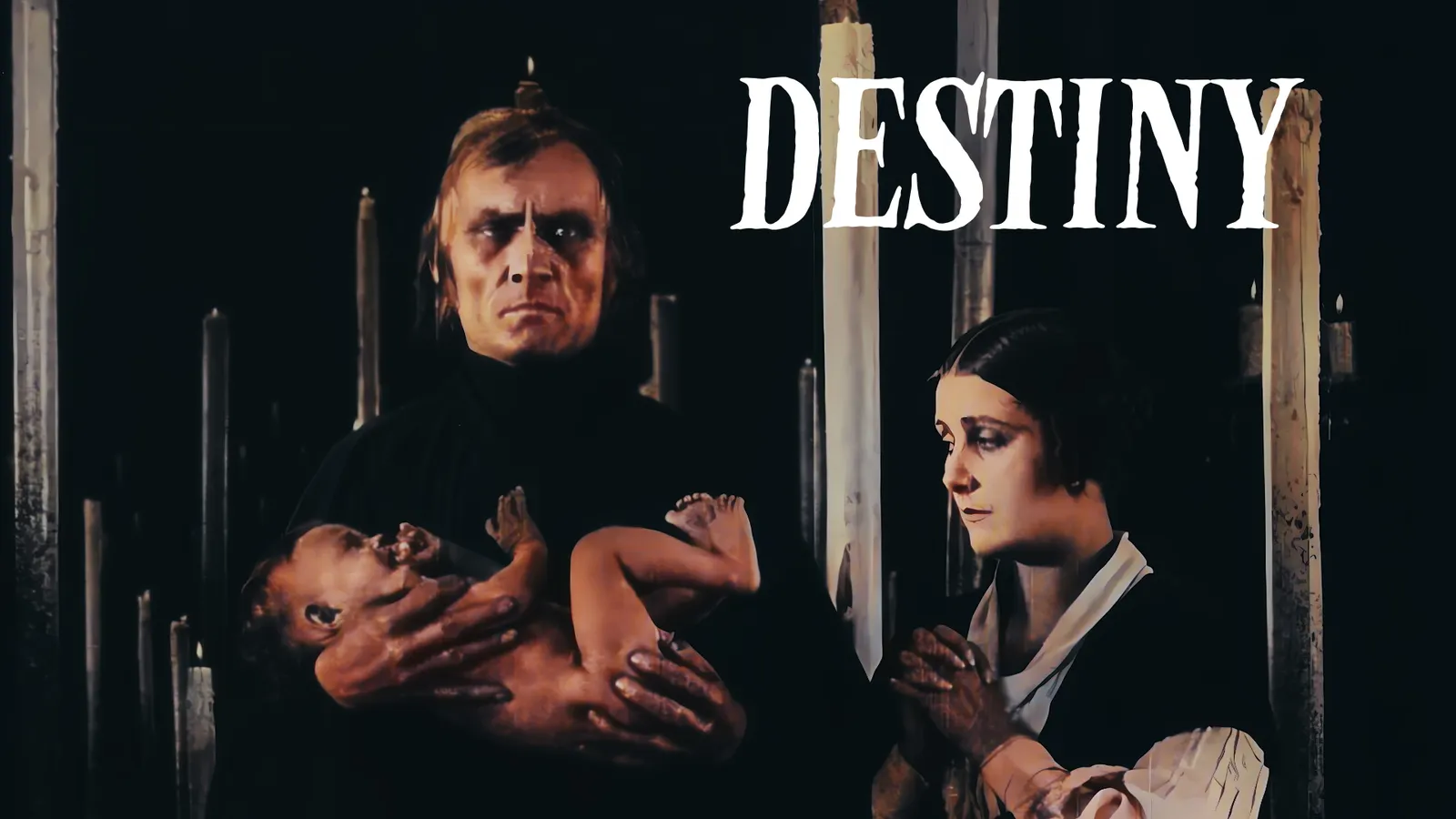
Destiny (1921)
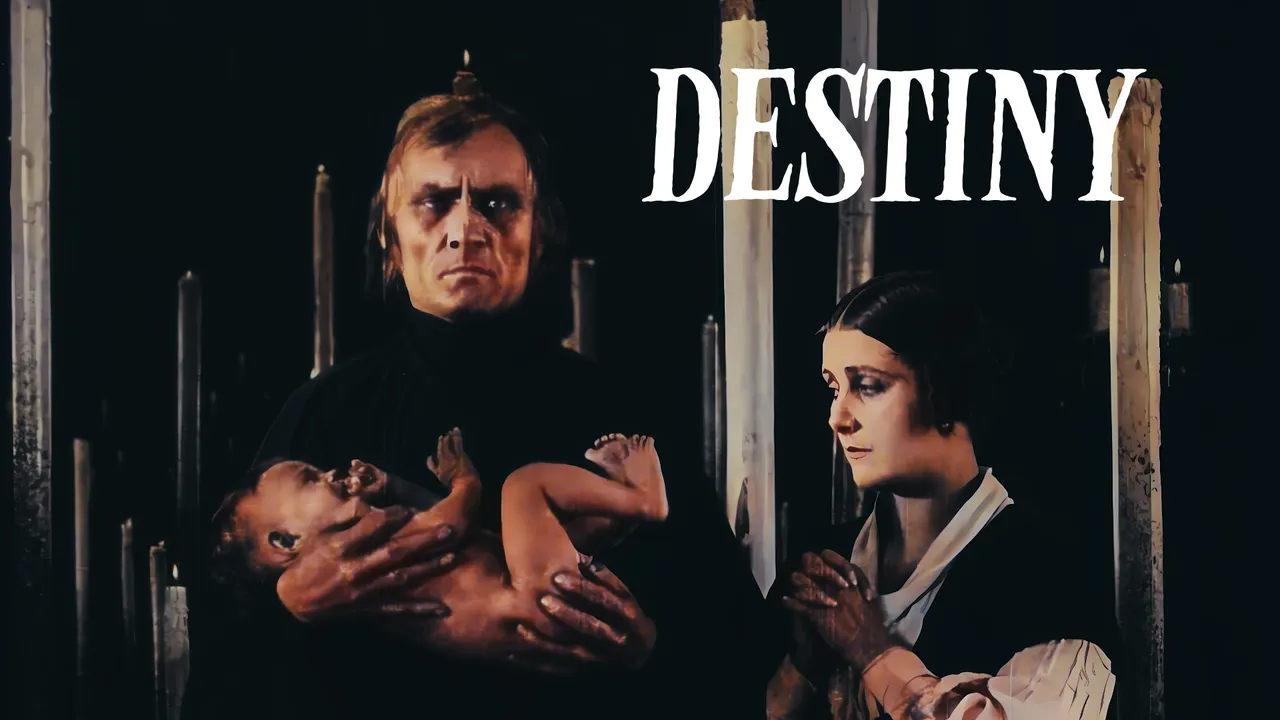
Death offers a young woman three chances to save her fiancé, in stories set in Persia, Renaissance Venice and a fairytale China. Luis Buñuel, the Spanish surrealist director, wrote: "When I saw Destiny, I suddenly knew that I wanted to make movies."
Douglas Fairbanks, the Hollywood swashbuckling star, bought the American rights and held back its US release until his own The Thief of Bagdad had finished its run.
 Drama
Destiny
Fritz Lang · 1921 · 97 min
Siegfried's Death and Kriemhild's Revenge (1924)
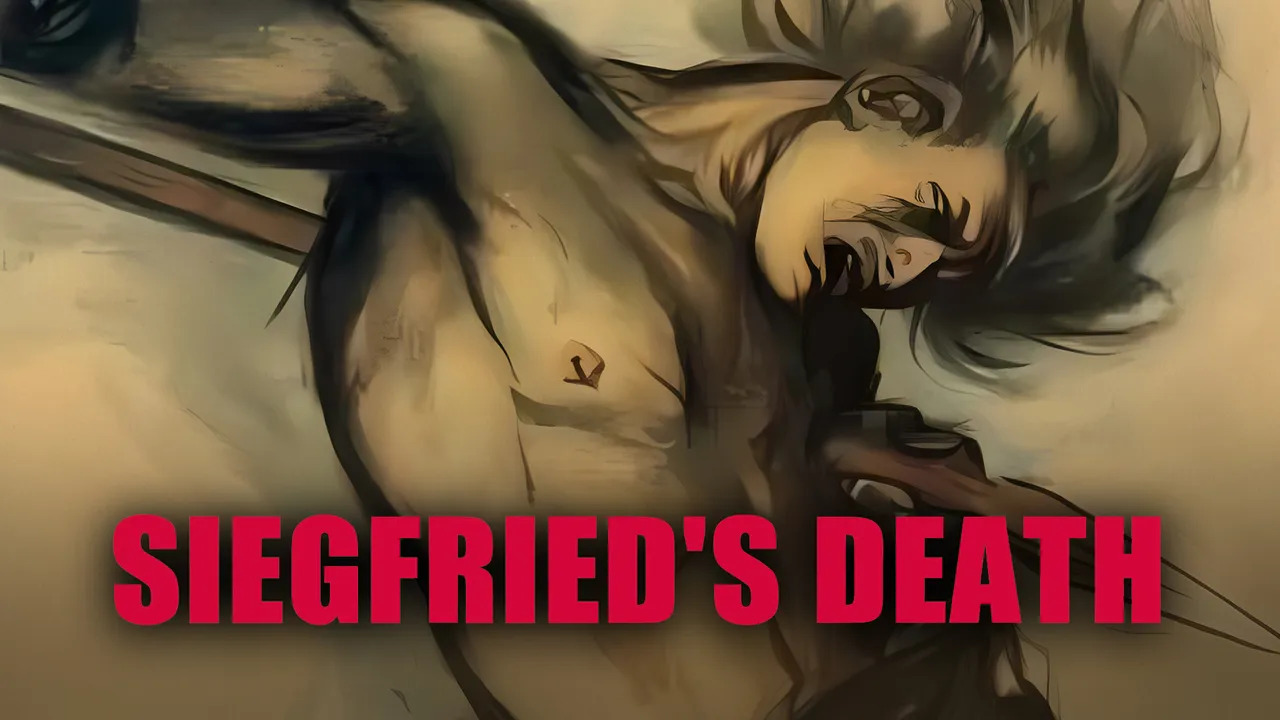
Together these make Die Nibelungen, a two-part epic based on the Nibelungenlied, a medieval German poem, and the pair run about five hours. Lang dedicated them "To the German People," a tribute to a nation still reeling from defeat in the war. They are reported to have been among Hitler's favourite films.
In the first part the hero Siegfried fights a dragon, a working puppet. A drawing by the set designer Erich Kettelhut marks where a telephone was to go inside its body, so the person running its machinery could talk to the crew. In the second, his widow Kriemhild marries Attila, King of the Huns, to avenge him.
 Action/Adventure
Siegfried's Death
Fritz Lang · 1924 · 145 min
Spies (1928)
Metropolis had gone far over budget and disappointed at the box office, so Lang made Spies with more economy, as the first film of his own company. The villain, Haghi, is a banker who secretly runs a spy ring, played by Rudolf Klein-Rogge, Lang's master criminal Dr. Mabuse in earlier films.
The BFI calls it "the granddaddy of the espionage thriller." Lang called it "a small film, but with a lot of action."
 Romance
Spies
Fritz Lang · 1928 · 149 min
The Woman in the Window (1944)
Edward G. Robinson plays a professor who meets the woman, played by Joan Bennett, whose portrait he admires in a shop window, and is drawn into a killing. Lang swapped the script's suicide ending for a dream, citing the Production Code, Hollywood's censorship rules. The film historian Tom Gunning writes that most viewers moan at the twist, but Lang said the ending helped the film's commercial success. It was nominated for an Academy Award for its music score.
Film noir, French for "black film", is the name for dark American crime films of that era. The critic Nino Frank first used the term in a Paris magazine in August 1946, and a week later the same magazine's reviewer called this film a "noir" film. In 1945 Lang reunited Robinson, Bennett and Dan Duryea for Scarlet Street, his sixth film on Relay.
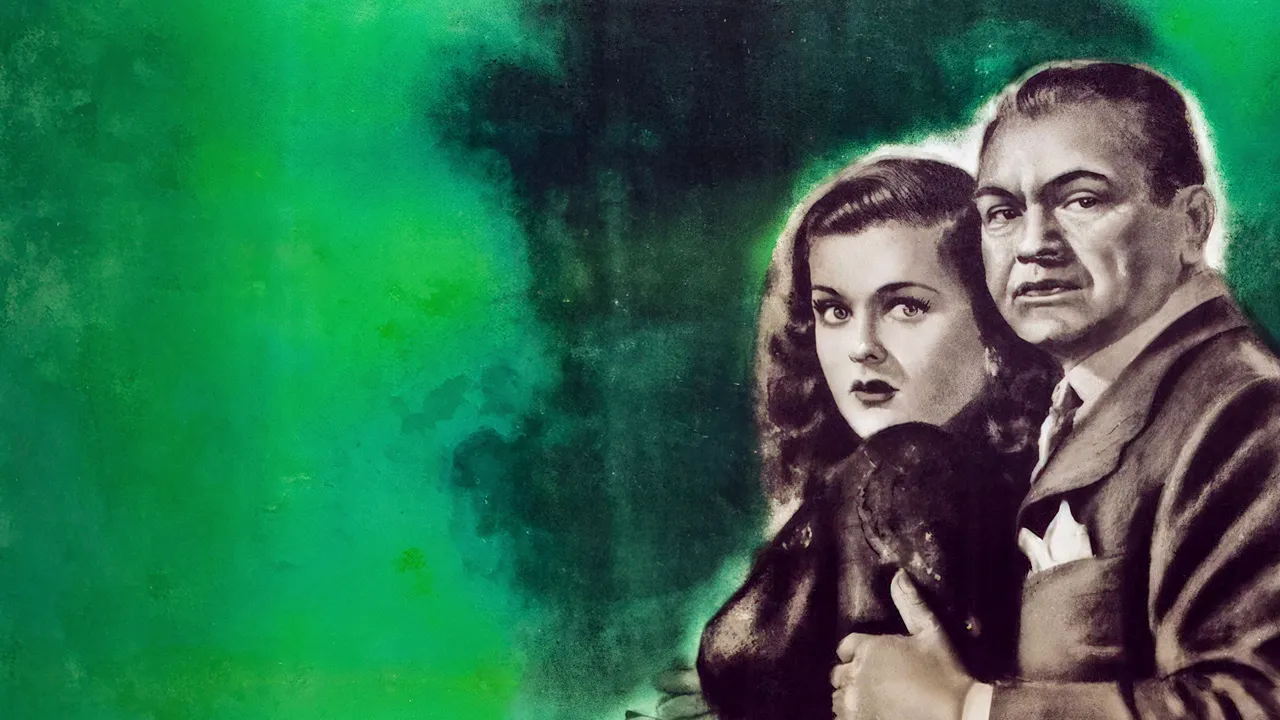 Crime
The Woman in the Window
Fritz Lang · 1944 · 99 min
Which Lang film comes first?
Destiny is the shortest way into silent Lang. Spies is the fastest, and The Woman in the Window shows what he brought to Hollywood.
For more from this era, see Silent Films and Film Noir.