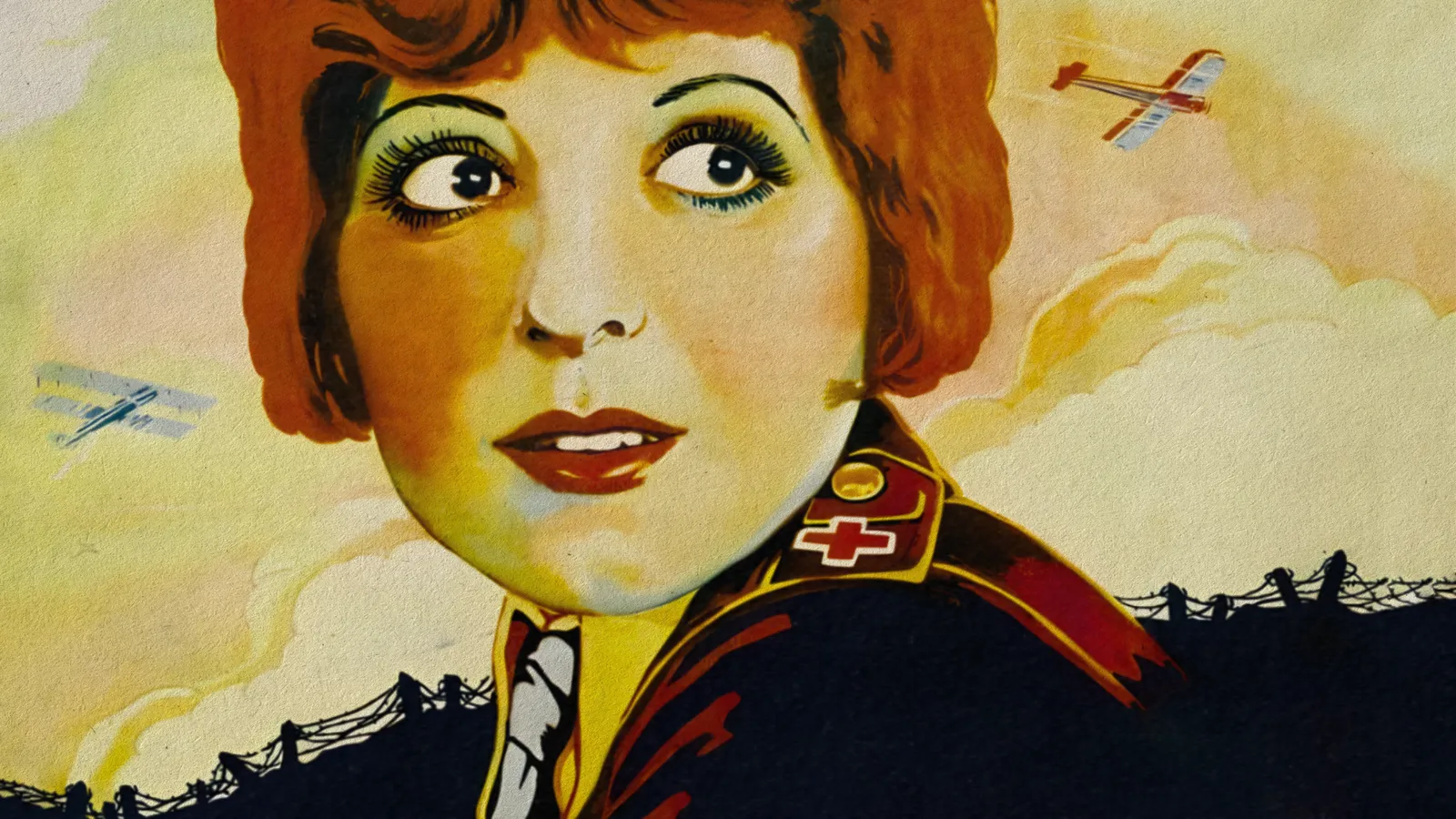
Classic movies: the first Best Picture winner was a silent film
A silent war film won the first Best Picture. Seven classics and the fires, bans and censors behind them.
By Relay, Watch Guide · Wednesday, October 28, 2026 · 5 min read
There is no official line between a classic movie and an old one. Film historians do have a name for the era most people mean: classical Hollywood cinema, the clear, story-first style that dominated American film by 1917 and defined the Golden Age of Hollywood. That age ran from 1927, when sound arrived, until the 1960s.
It ended in 1948, when the Paramount Decree forced the big studios to give up their movie theaters and their contracted talent. Before that, the big studios owned their theaters and held most of their actors under contract. From 1934 the film industry's own censors, the Production Code Administration, read scripts and finished prints before release. The Code, a rulebook of what a movie could and could not show, was replaced by a ratings system in 1968. Many of the films below are as much about what the censors allowed as about the story.
Relay streams 142 films made between 1925 and 1965 that have at least 5,000 IMDb votes. Seven of them follow, in release order. Each one has a story about a fire, a ban, a fight with the censors or a prize.
What marks a classic movie
- A clear story. The camera serves the plot and the performances, so a first-time viewer is never lost.
- A star who carries it. Studios built films around contracted actors, and audiences came for the face as much as the title.
- A censor in the room. Rules about crime, sex and violence pushed writers and directors toward suggestion, which is where much of the wit comes from.
7 classic movies to watch
Wings (1927)
The first Academy Awards were held on May 16, 1929, and the top prize, Outstanding Picture, went to Wings, a silent World War I flying story. The Academy later treated it as the first Best Picture winner, and it is described as the only silent-era film to win the award.
Director William Wellman, a former World War I fighter pilot, was hired because he was the only Hollywood director with combat pilot experience from that war. He wanted his two male leads to fly as much as possible: Richard Arlen was a former Royal Flying Corps flight instructor, and Charles "Buddy" Rogers took about two weeks of flight training. Cameras were mounted on the aircraft to film the air battles from many angles.
Wings
William A. Wellman · 1927 · 140 min
The Circus (1928)
Charlie Chaplin, the silent comedy star, ran into trouble early on. Faulty lab work ruined about a month of footage. A fire destroyed sets and props at his studio. Then his second wife, Lita Grey, sued for divorce, and her lawyers tried to seize the studio's assets. Production stopped for eight months, and Chaplin had to sneak the film already shot to a hiding place.
The Academy had nominated him in three categories. It then removed his name from the competitive awards and gave him a special award for his work in acting, writing, directing and producing the film. In the climax, a tightrope walk goes wrong when escaped monkeys tear at his trousers.
The Circus
Charles Chaplin · 1928 · 68 min
All Quiet on the Western Front (1930)
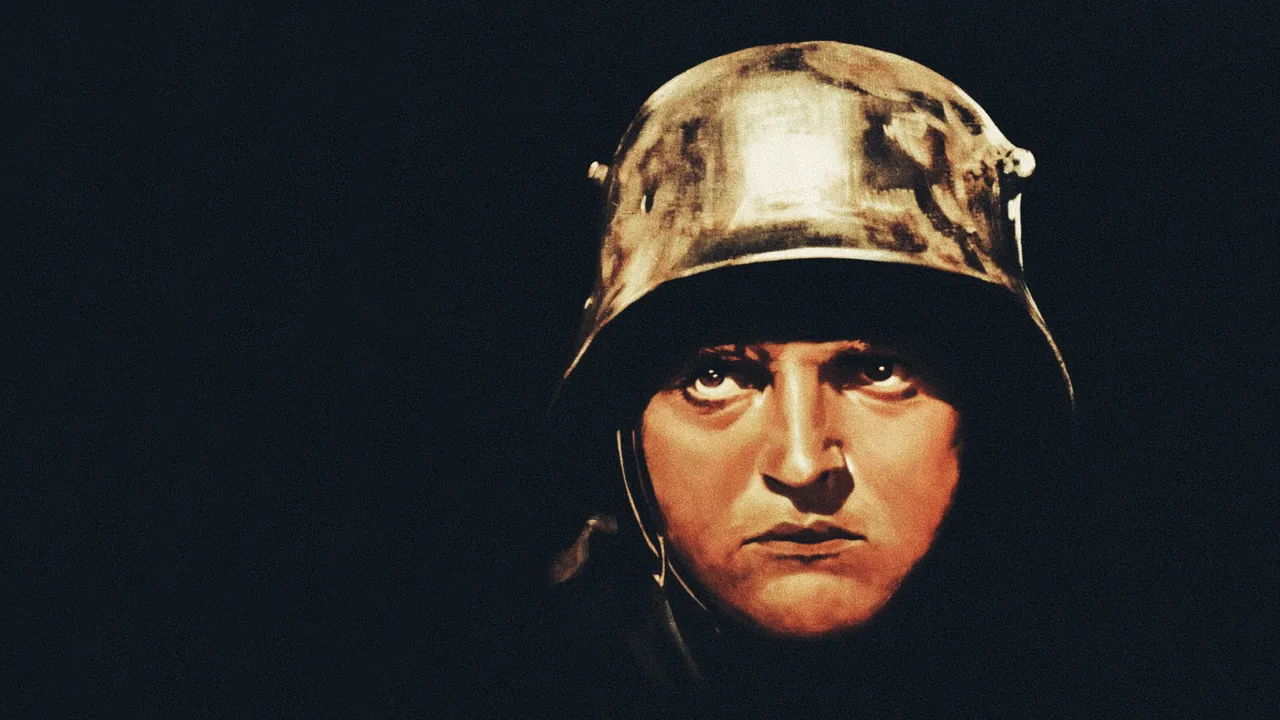
Lewis Milestone's film of the German novelist Erich Maria Remarque's World War I story won Best Picture and Best Director. Universal spent about $1.2 million on it, a high budget for the time, and it earned about $3 million in rentals.
In December 1930, at the Berlin premiere, Joseph Goebbels, then the Nazi Party's leader in Berlin and later its propaganda minister, organized a disruption. According to the United States Holocaust Memorial Museum, storm troopers released stink bombs and mice in the theater. The government then banned the film. The ban lasted until September 1931, when Universal made a more censored version for German audiences.
 War
All Quiet on the Western Front
Lewis Milestone · 1930 · 133 min
Scarface (1932)
Howard Hughes, the wealthy aviator and film producer, produced it, and Howard Hawks directed. The Hays Office, the industry's censorship body at the time, pushed Hughes to remove sympathy for the gangster, add an anti-gun message and soften the ending. Its fights with Hughes and with regional censor boards delayed the release by almost a year.
A new ending in which the hero is captured and hanged cost about $25,000 and took four days to shoot. The film opened in New York on June 25, 1932 as Scarface, the Shame of a Nation. The Production Code became mandatory two years later, so critics group it with the "pre-Code" films, made before the rulebook was enforced. Al Capone, the Chicago gangster the story echoes, reportedly asked for a private screening.
 Crime
Scarface
Howard Hawks · 1932 · 93 min
My Man Godfrey (1936)
My Man Godfrey was the first film nominated in all four Academy Award acting categories, for William Powell, Carole Lombard, Mischa Auer and Alice Brady. It won none of them, and it was not nominated for Best Picture. Powell and Lombard, its two stars, had divorced about three years before filming, and Powell agreed to play Godfrey only if Lombard played Irene.
The story begins in the Great Depression at a New York city dump, where two society sisters find Godfrey, a homeless man, during a scavenger hunt. He becomes their family's butler. At the end he turns the dump into a nightclub that employs the men who lived there.
My Man Godfrey
Gregory La Cava · 1936 · 93 min
Scarlet Street (1945)
Fritz Lang, the director who fled the Nazis, and producer Walter Wanger made this film from the French novel and play La Chienne, which Jean Renoir had filmed in 1931. Edward G. Robinson plays a mild cashier who paints on weekends. A con woman, played by Joan Bennett, sells his paintings as her own. It is a film noir, the name for crime stories about doomed people.
In early 1946 Atlanta and Milwaukee banned it. New York censors first blocked it for violence and immorality, then approved it after Wanger accepted cuts, including reducing an ice-pick stabbing from seven blows to one. The film still earned about $2.9 million at the box office, against a cost of about $1.2 million.
Scarlet Street
Fritz Lang · 1945 · 102 min
The Seven Year Itch (1955)
The Production Code Administration first rejected any film of George Axelrod's Broadway hit, ruling that adultery could never be the subject of comedy. It approved the screenplay only after every suggestion of an affair was removed. Billy Wilder, who directed and co-wrote the film, later called it a "nothing picture".
The best-known scene was filmed in the early morning of September 15, 1954, on Lexington Avenue in Manhattan, in front of more than 1,000 spectators. The crowd noise made the footage unusable, so the scene was reshot on a 20th Century Fox soundstage. The version in the finished film, with Marilyn Monroe's white dress blowing up over a subway grate, was staged on the studio's set.
The Seven Year Itch
Billy Wilder · 1955 · 104 min
Where to go next
Every film above is on Relay. For the era just before the Code, and for the dark crime stories that followed it, try these.