"Pre-code" movies: when Hollywood ignored its own moral rules
A wife who cheats back, a tuxedo kiss and Marx Brothers jokes the censors cut: Hollywood before July 1934.
By Relay, Watch Guide · Sunday, November 22, 2026 · 6 min read
"Pre-code" means Hollywood before the Production Code was enforced in July 1934. The studios had signed up to the Code, a set of moral rules for films often called the Hays Code, in 1930, then mostly ignored it. Only in July 1934 did the Production Code Administration, run by Joseph Breen, start approving every studio film before release.
In the years between, sound was new and the rules were loose. The Library of Congress lists what got on screen: sensual scenes, drug addiction, abortion, gangsters played as heroes. The BFI says the studios kept it in because a dash of sin was crucial to filling theatres during the Great Depression, and that Hollywood was tamed only after pressure from the Catholic Legion of Decency.
It matters because of what came after. The Code shaped American films for over three decades, until the industry swapped it for letter ratings in 1968. Time critic Richard Corliss wrote that pre-Code films showed women as every bit a man's equal, often his superior. By 2001, Turner Classic Movies was airing many of them and New York's Film Forum gave them a four-week series. Relay lists 350 films from 1929 to 1934. The American studio films below each show a different thing the Code would soon forbid.
What makes a pre-code movie
- Adults behaving like adults. Affairs, divorces and past lives are stated, not hinted at.
- Crime without a lecture. Killers and con men get plot, not punishment speeches.
- Early sound, still rough. Studios were learning to film talk, so many of these feel like stage plays caught on camera.
- Scenes later cut. Several were trimmed or held back once the Code had teeth.
9 pre-code movies to watch
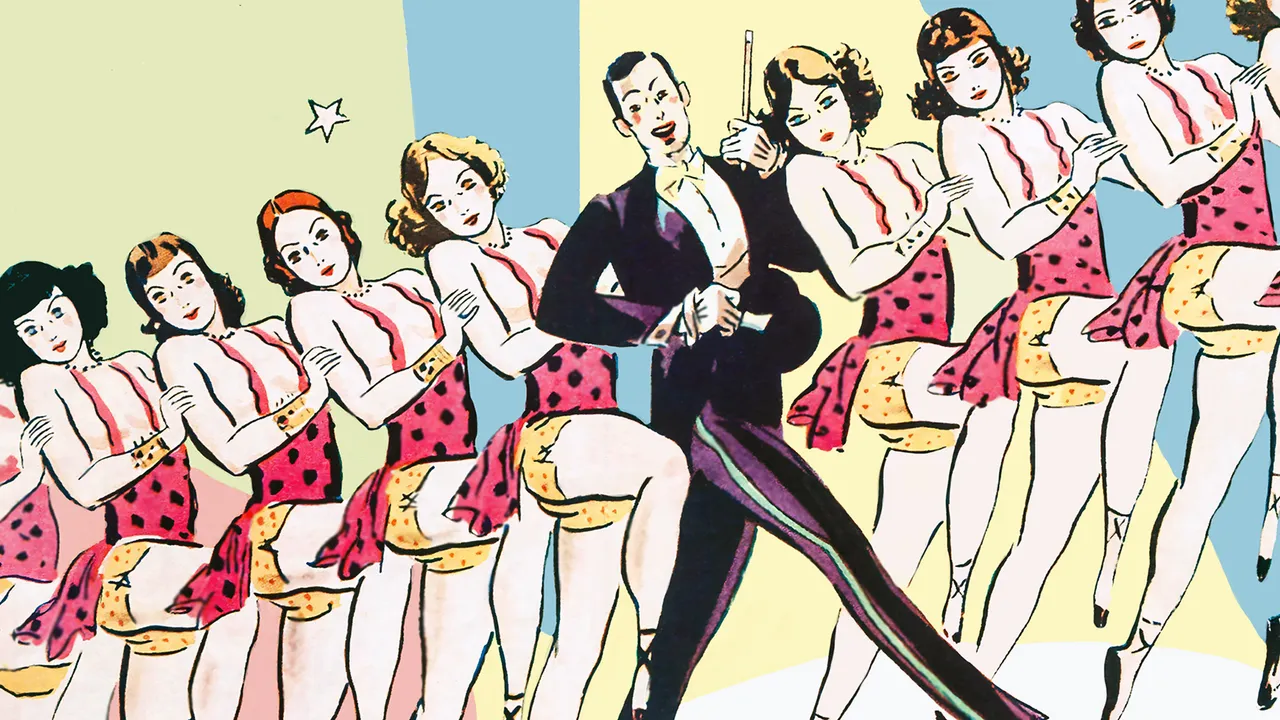
The Broadway Melody (1929)
One review of MGM's 1929 musical notes that it opens with two sisters, the Mahoney sisters, half dressed backstage, while chorus girls change in plain view and a rich admirer's advances toward one sister stop just short of assault. All of it reached screens a year before the studios adopted the Code.
It won Best Picture and is described as the first sound film, and the first musical, to win it. It cost $379,000 and grossed about $4.4 million worldwide, which told every studio that talking, singing pictures were the future.
 Musical/Dance
The Broadway Melody
Harry Beaumont · 1929 · 100 min
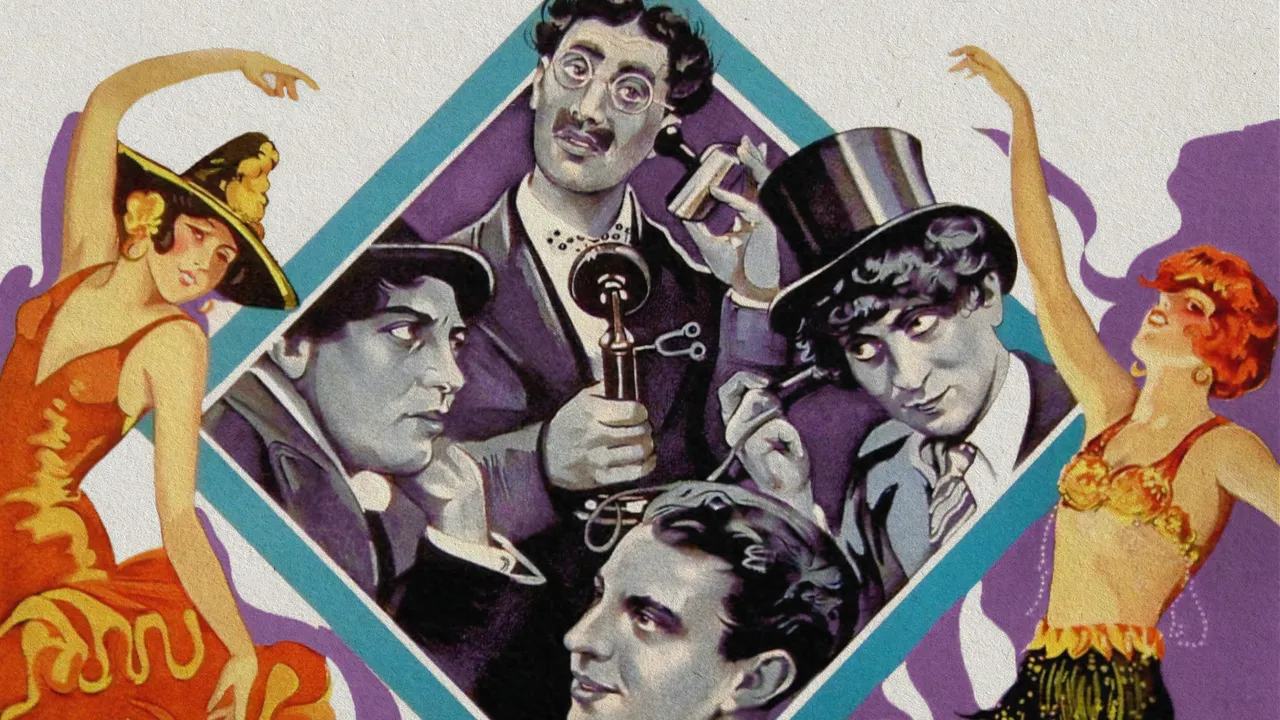
The Cocoanuts (1929)
The Marx Brothers' first film was made on a double shift. They shot it by day at Paramount's studio in Astoria, Queens, then raced back to Manhattan each evening to play Animal Crackers on Broadway. Irving Berlin, the songwriter, wrote the music.
The story goes that the brothers hated the final cut so much they tried to buy back the negative, and Paramount refused. Critics have traced a new style of screen comedy to it: their anarchic stage act, put on film for the first time, set in a Florida hotel during a land boom.
 Comedy
The Cocoanuts
Robert Florey · 1929 · 92 min
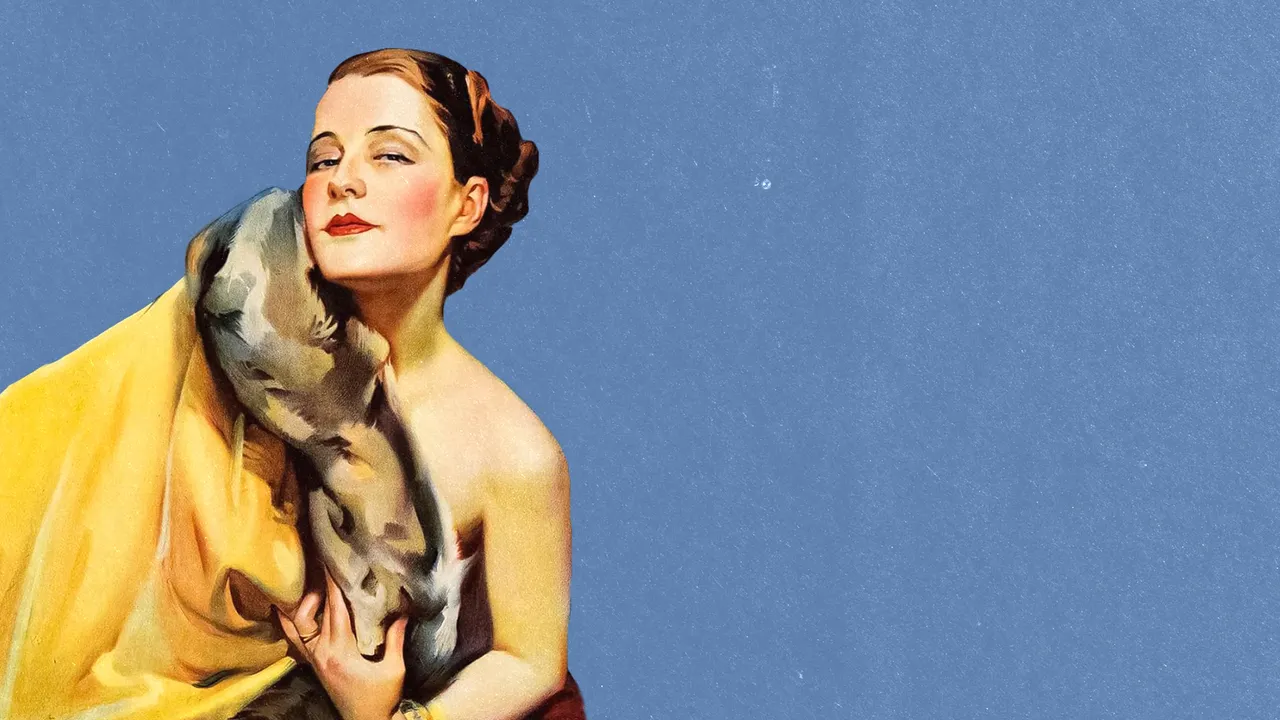
The Divorcee (1930)
The novel was called Ex-Wife, Ursula Parrott's 1929 bestseller, and MGM used it as the working title. The Hays Office, the industry's censorship office, blocked it as too racy. The story stayed. Norma Shearer plays Jerry, who finds her husband has cheated and answers by sleeping with their best friend.
Irving Thalberg, who bought the rights and was married to Shearer, at first refused to cast her, until he saw suggestive portraits of her by the photographer George Hurrell. She won Best Actress. Time's Corliss wrote that the film helped establish the pre-Code style, and the critic Mick LaSalle wrote that no one did lust on screen like Shearer.
 Drama
The Divorcee
Robert Z. Leonard · 1930 · 82 min
Anna Christie (1930)
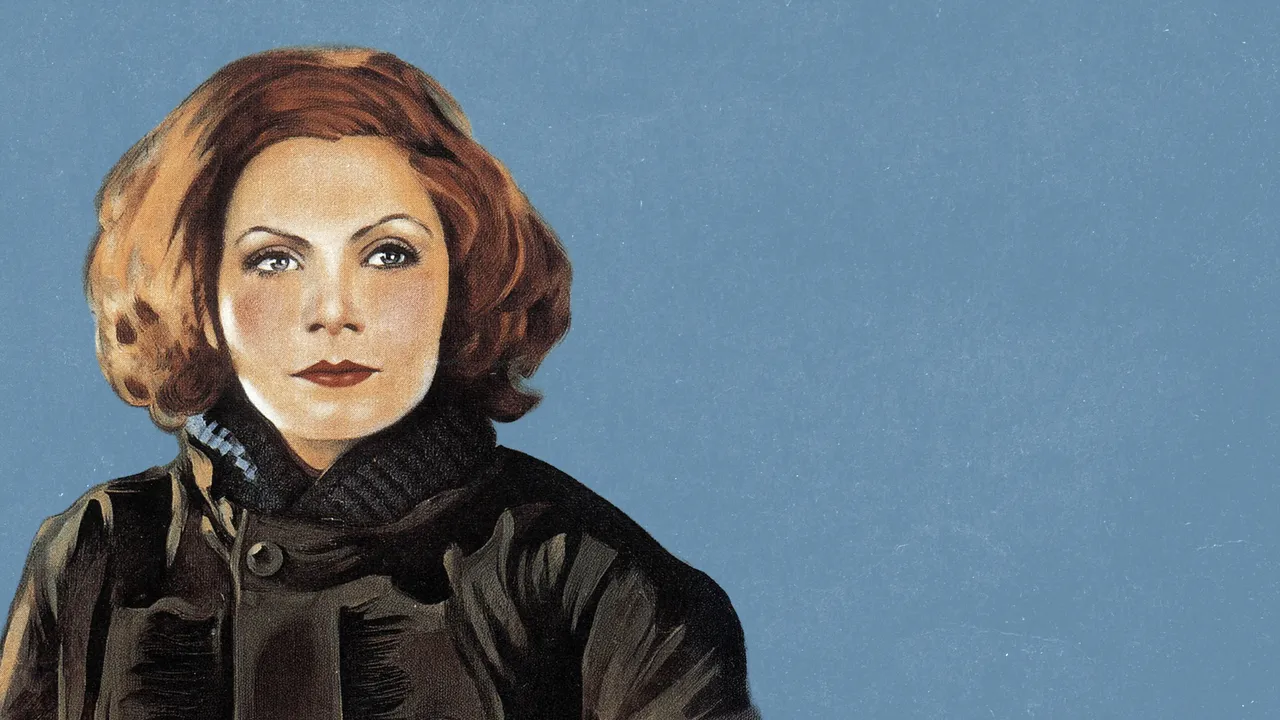
MGM sold Greta Garbo's first talking picture with two words: "Garbo Talks!" Her first line, about 16 minutes in by one count, is an order for whiskey with ginger ale on the side. Sound filming began on 14 October 1929, carried on through the stock market crash on 29 October and wrapped on 18 November.
The film adapts Eugene O'Neill's Pulitzer Prize winning play. Anna has a past as a prostitute, and she hides it from the barge skipper father who abandoned her years before. It earned 3 Oscar nominations, including Best Actress for Garbo, and TCM says she became a bigger star in talkies than she had been in silents.
 Drama
Anna Christie
Clarence Brown · 1930 · 89 min
Hell's Angels (1930)
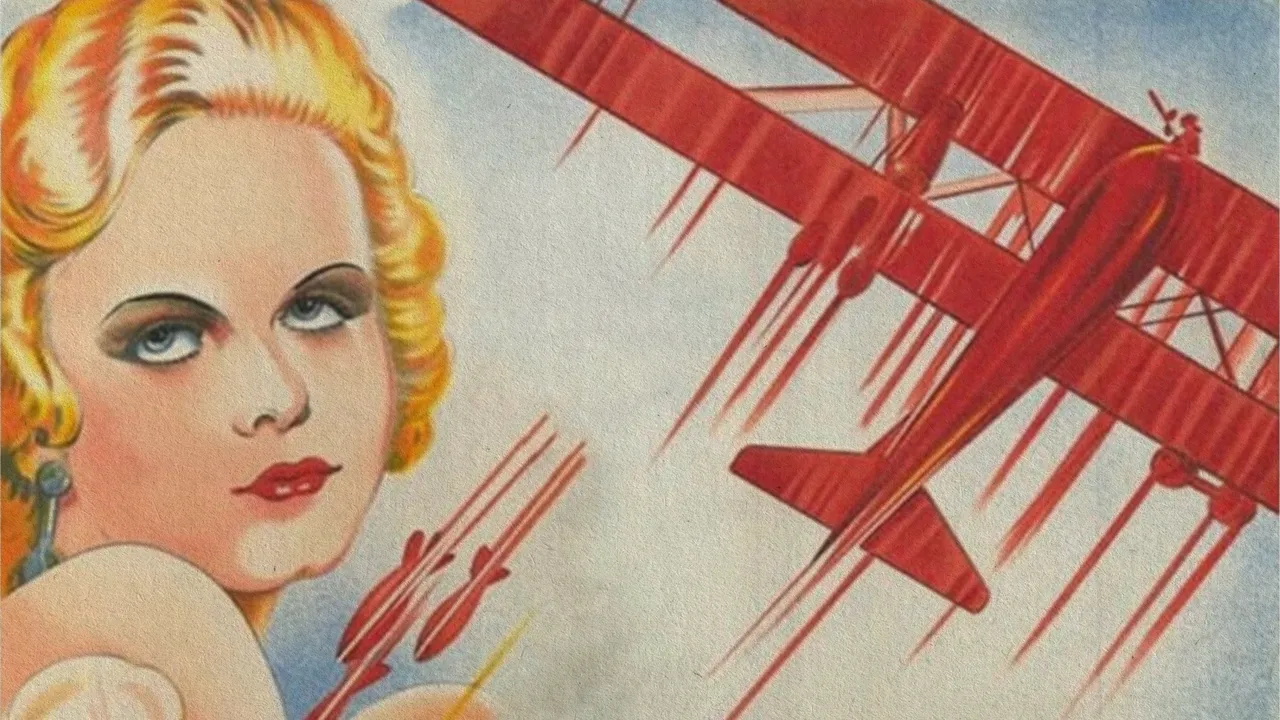
Howard Hughes, who produced and directed it, started shooting this First World War flying film as a silent on 31 October 1927. Then sound arrived, and he reshot the dialogue scenes with the director James Whale. TCM and the Smithsonian put the cost at nearly $4 million; other historians give $2.8 million. At least two pilots and a mechanic died making it.
It also made Jean Harlow a star. Hughes cast her after the first lead was dropped for her Norwegian accent, then dressed Harlow in gowns with necklines so low they caused endless arguments with censors. He later sold her contract to MGM.
 War
Hell's Angels
Howard Hughes · 1930 · 131 min
Morocco (1930)
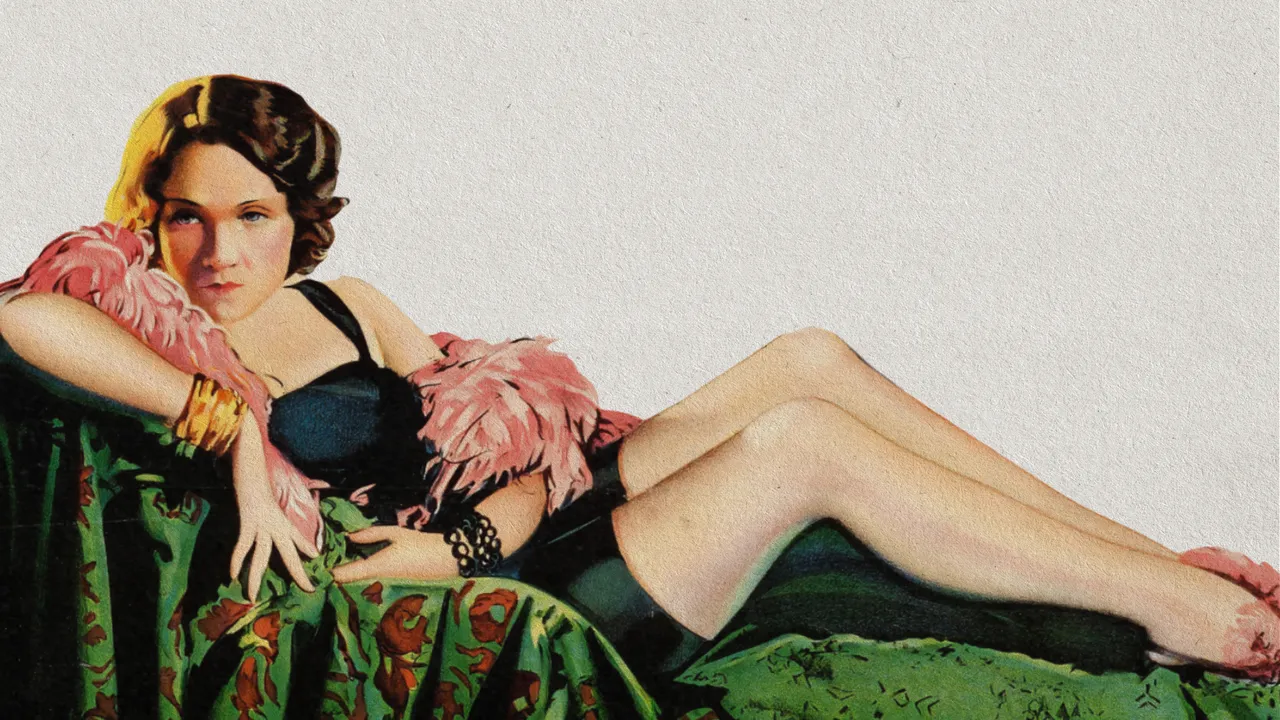
This was Marlene Dietrich's first appearance on American screens, directed by Josef von Sternberg, who had just made The Blue Angel with her in Germany. In her nightclub act she wears a man's tuxedo and top hat and kisses a woman in the audience on the lips. Critics have traced it as one of the earliest same-sex kisses on screen.
It earned 4 Oscar nominations and won none, and in 1992 the Library of Congress chose it for preservation in the National Film Registry.
 Drama
Morocco
Josef von Sternberg · 1930 · 92 min
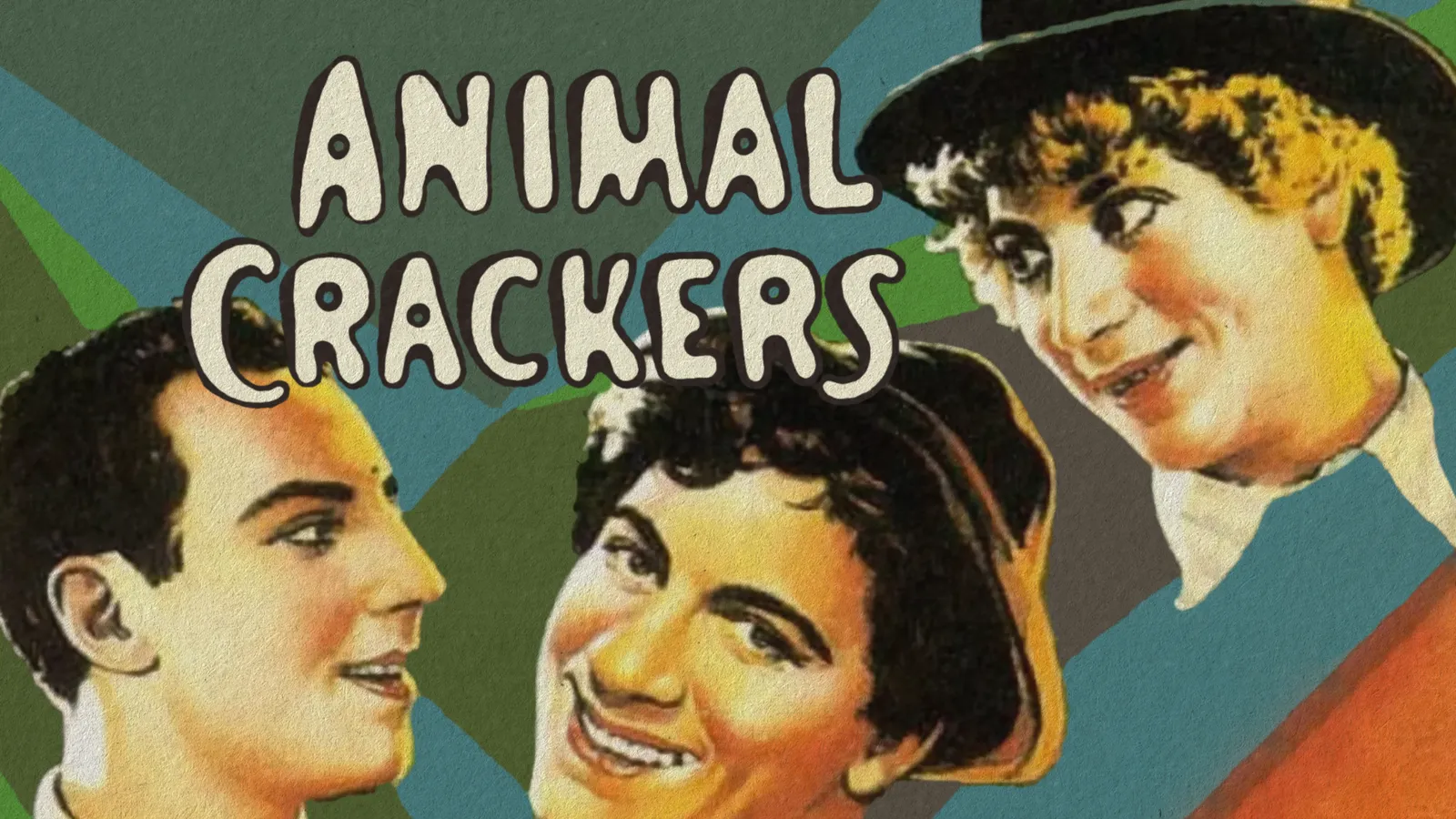
Animal Crackers (1930)
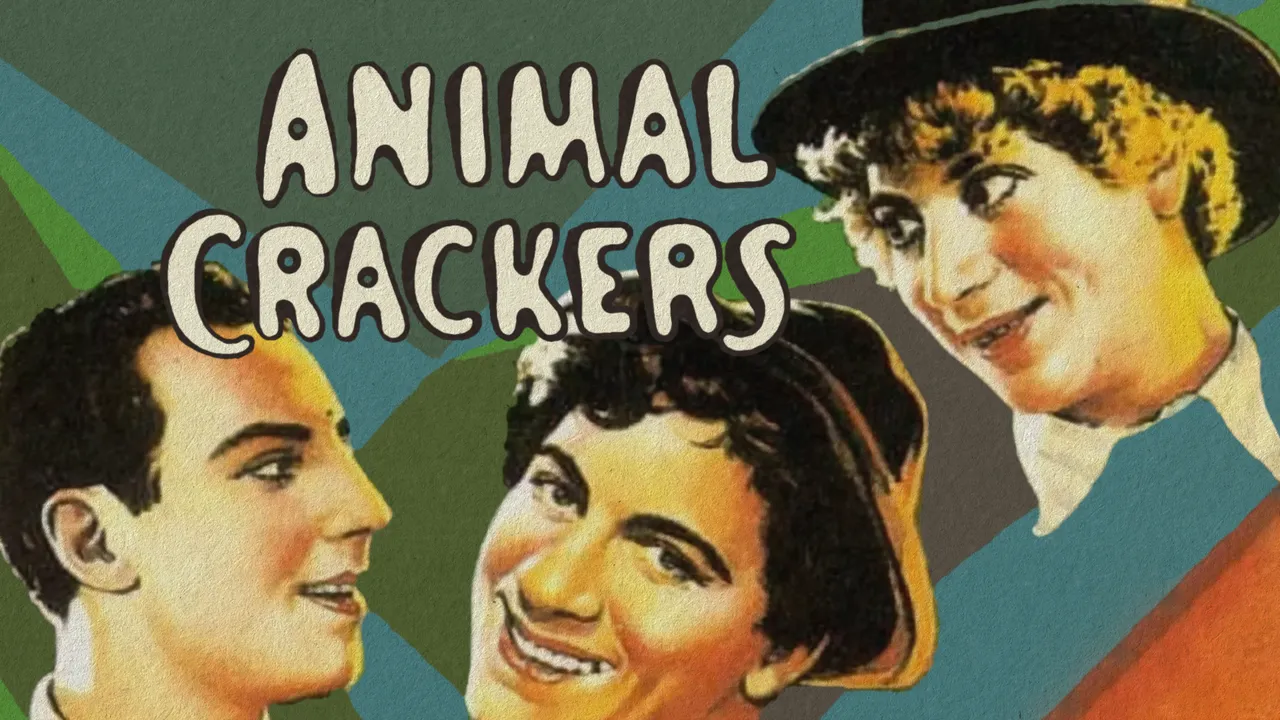
The Marx Brothers' second film is the clearest case of the Code at work. For a 1936 reissue, after enforcement began, censors cut about a minute and a half, including a line from the song "Hooray for Captain Spaulding". That trimmed print was the only version most audiences saw until 2016, when the uncut film was restored from a 35mm duplicate negative held by the BFI.
In the 1950s the rights tangled, and for years the film could not legally be shown in the US at all. A UCLA student, Steve Stoliar, started a campaign in 1973, Groucho Marx came to the campus on 7 February 1974, and Universal re-released the film that year.
 Comedy
Animal Crackers
Victor Heerman · 1930 · 93 min
The Kennel Murder Case (1933)
Pre-Code crime was not only gangsters. William Powell plays the gentleman detective Philo Vance, his fourth time in the role, investigating a hated collector found dead in a bedroom locked from the inside. Along the way a prize show dog is killed. Vance shows how a door can be locked from outside with a string through the keyhole.
Michael Curtiz directed it at Warner Bros., one of his 6 credits that year, using dissolves, wipes and a moving camera to keep a talky mystery alive. A year later Powell left for MGM and became a star as Nick Charles in The Thin Man.
The Kennel Murder Case
Michael Curtiz · 1933 · 73 min
Of Human Bondage (1934)
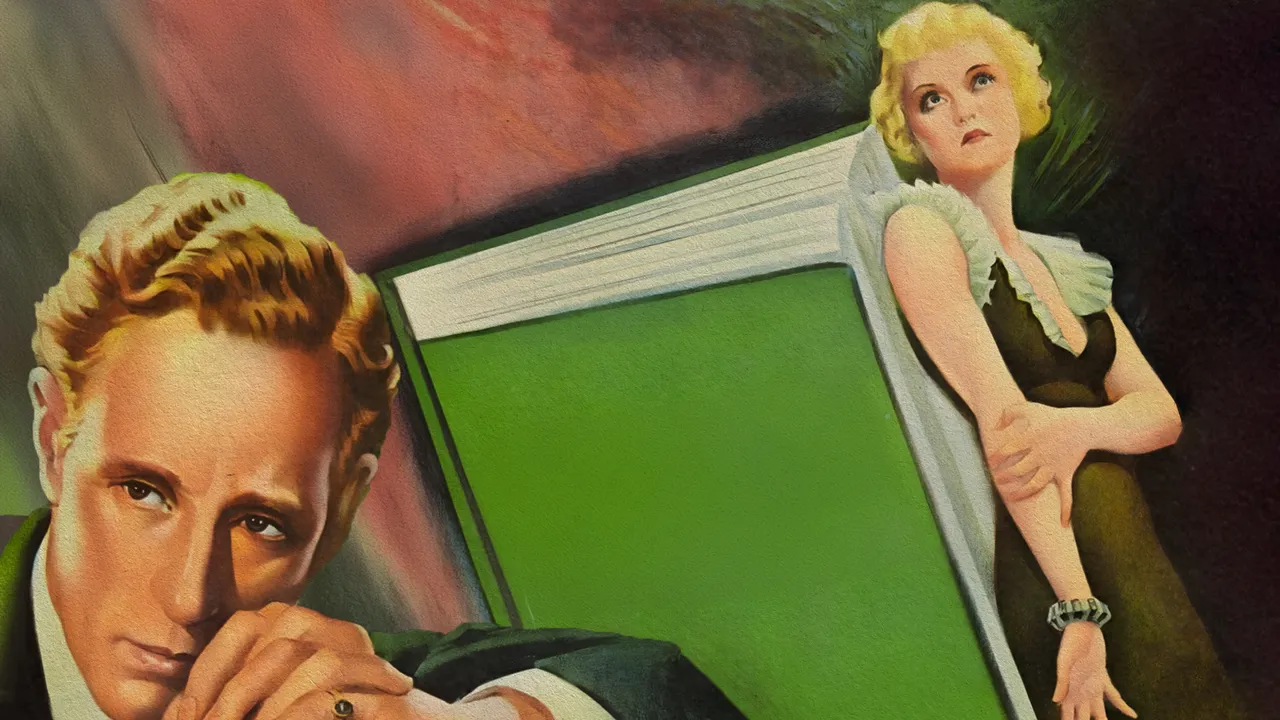
This one arrived as the door was closing, and the censors' hand is already visible. In the story as first submitted, the waitress Mildred's illness was syphilis. Breen suggested changing it to tuberculosis, and after seeing the finished cut he also objected to shots of an artist's nude sketches.
Katharine Hepburn, Irene Dunne and Ann Harding all turned the part down, and Warner Bros. only lent Bette Davis to RKO in a trade for Dunne. Davis was left off the Best Actress ballot, supporters wrote her name in anyway, and the Academy banned write-in votes the next year. She won the next Best Actress award, for Dangerous.
 Drama
Of Human Bondage
John Cromwell · 1934 · 82 min